Kurdistan Tourism Board Unveils New Water Tourism Safety Regulations
The Kurdistan Region Board of Tourism is preparing comprehensive water tourism regulations to improve safety, standardize operations, and support sustainable growth across lakes, rivers, and recreational destinations.
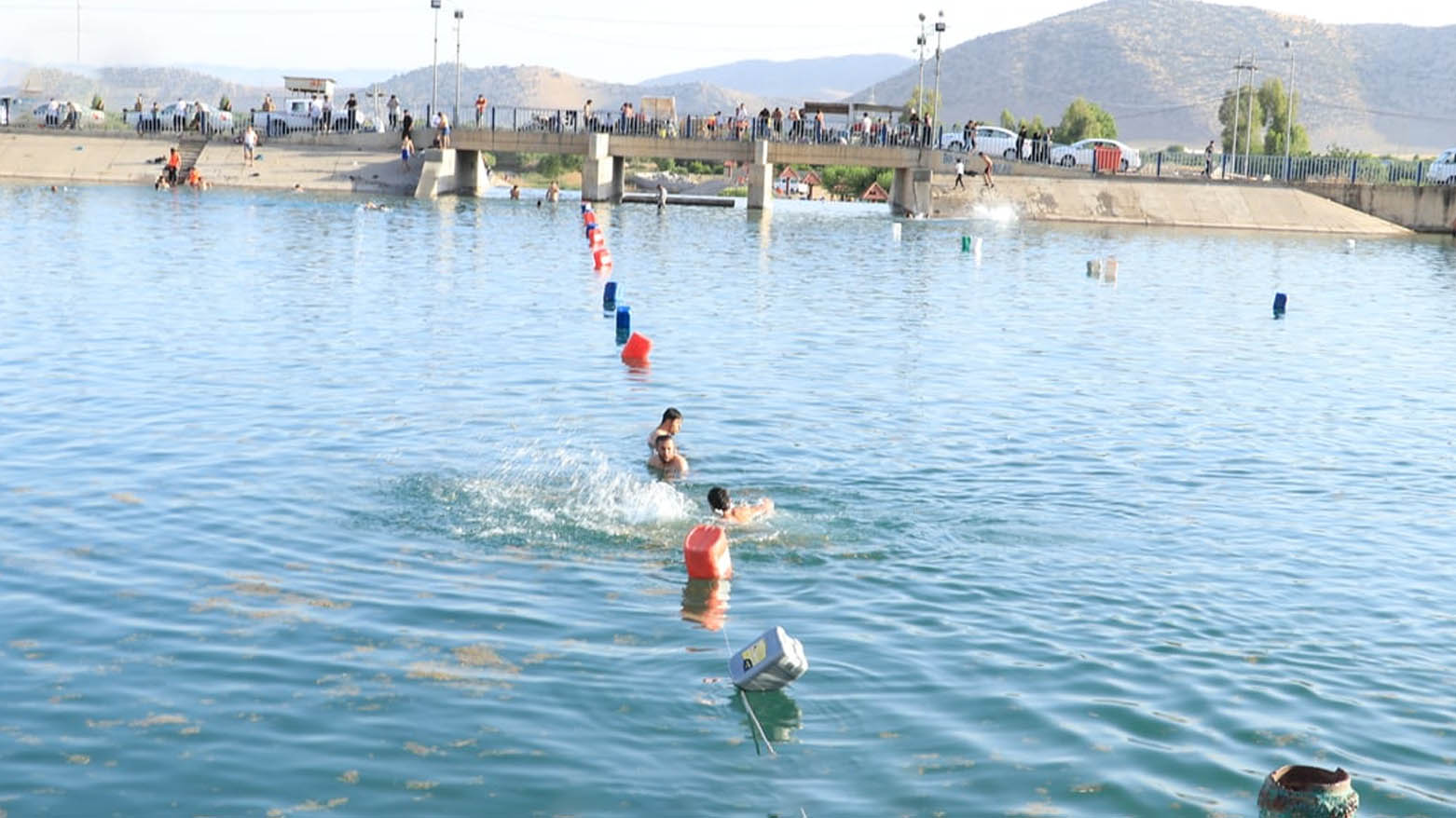
ERBIL (Kurdistan24) - As water-based recreation continues to attract growing numbers of visitors across the Kurdistan Region, tourism authorities are moving to introduce a comprehensive regulatory framework designed to make lakes and rivers safer, improve service standards and provide clearer oversight for one of the Region's fastest-growing tourism segments.
The Kurdistan Region Board of Tourism announced that it is finalizing a dedicated set of regulations governing water tourism, reflecting an effort to keep pace with the rapid expansion of recreational activities in destinations including Dukan, Ranya, Duhok and other popular waterfront attractions.
Officials say the initiative is intended not only to strengthen public safety but also to establish a clearer legal structure for businesses and operators as investment in water-based tourism continues to increase.
According to Ibrahim Abdulmajeed, spokesperson for the General Board of Tourism, the proposed framework responds to the sector's changing needs by creating standards tailored specifically to activities conducted on or around lakes and rivers.
He explained that water tourism extends far beyond swimming, encompassing a broad range of recreational, sporting, hospitality and commercial activities.
Floating hotels and restaurants, boat rentals, jet skis, water scooters, kayaking, rafting, organized fishing centers and riverside campsites all fall within the scope of the proposed regulations, reflecting the growing diversity of attractions available across the Region.
At the center of the initiative is a stronger emphasis on visitor protection.
Abdulmajeed said tourist safety remains the Board's foremost priority, with the draft regulations introducing multiple layers of operational safeguards intended to reduce risk while improving confidence among residents and visitors alike.
Among the proposed requirements, all watercraft and tourism facilities would be required to obtain official safety certification from the Civil Defense Directorate before operating.
Authorities also plan to require project owners to employ trained rescue personnel holding recognized first-aid qualifications, ensuring that emergency assistance is immediately available when needed.
The regulations would further require every passenger to wear a life jacket regardless of age, reinforcing a uniform safety standard across all licensed water activities. In areas where rivers present stronger currents, operators would also be expected to install steel safety barriers or protective nets to help prevent drowning accidents.
Technology also forms an important part of the proposed framework. Boats operating on longer excursions would be equipped with GPS tracking systems and two-way communication devices, improving coordination and emergency response capabilities.
Visitors would also benefit from multilingual instructional signs placed at tourism sites, making safety guidance more accessible to both domestic and international travelers.
Beyond infrastructure and equipment, the draft rules seek to establish professional operating standards.
Boat operators and employees involved in water-based tourism would be prohibited from consuming alcohol or narcotics while on duty, a measure intended to reinforce accountability and minimize avoidable risks.
The proposed regulations also include specific provisions aimed at protecting younger visitors. Children under the age of 16 would only be permitted to participate in water activities when accompanied by a parent, guardian or designated supervisor, reflecting a broader emphasis on responsible tourism management.
Rather than treating each safety measure as an isolated requirement, the Board envisions the framework as a comprehensive system governing how water tourism is developed and managed.
By combining operational standards, emergency preparedness, equipment certification and visitor protection, officials hope to create a more consistent experience across the Region's expanding network of waterfront destinations.
Abdulmajeed said the broader objective is to establish a modern legal framework capable of organizing the sector while reducing violations and unnecessary hazards.
In doing so, the Board aims to improve the quality of services available to tourists and strengthen confidence in water-based recreation as a safe and professionally managed part of the Kurdistan Region's tourism industry.
As investment in lakeside attractions, recreational facilities and water sports continues to grow, the proposed regulations signal a wider effort to modernize tourism governance.
By pairing expanding recreational opportunities with clearer safety standards and stronger regulatory oversight, the Kurdistan Region hopes to support sustainable development while ensuring that its increasingly popular waterways remain welcoming destinations for visitors and local communities alike.
|
Summary The Kurdistan Region Board of Tourism is finalizing comprehensive regulations for water tourism, introducing stronger safety standards, operator requirements and oversight to support sustainable growth, improve visitor confidence and modernize recreational activities across lakes and rivers. |