Athens Backs Israeli-Built 'Achilles Shield' in $4 Billion Defense Push
Greece has approved a €3.5 billion ($4 billion) Israeli-built multilayer air defense system as part of a sweeping military modernization strategy, strengthening protection against missiles, aircraft and drones while expanding defense cooperation with Israel.
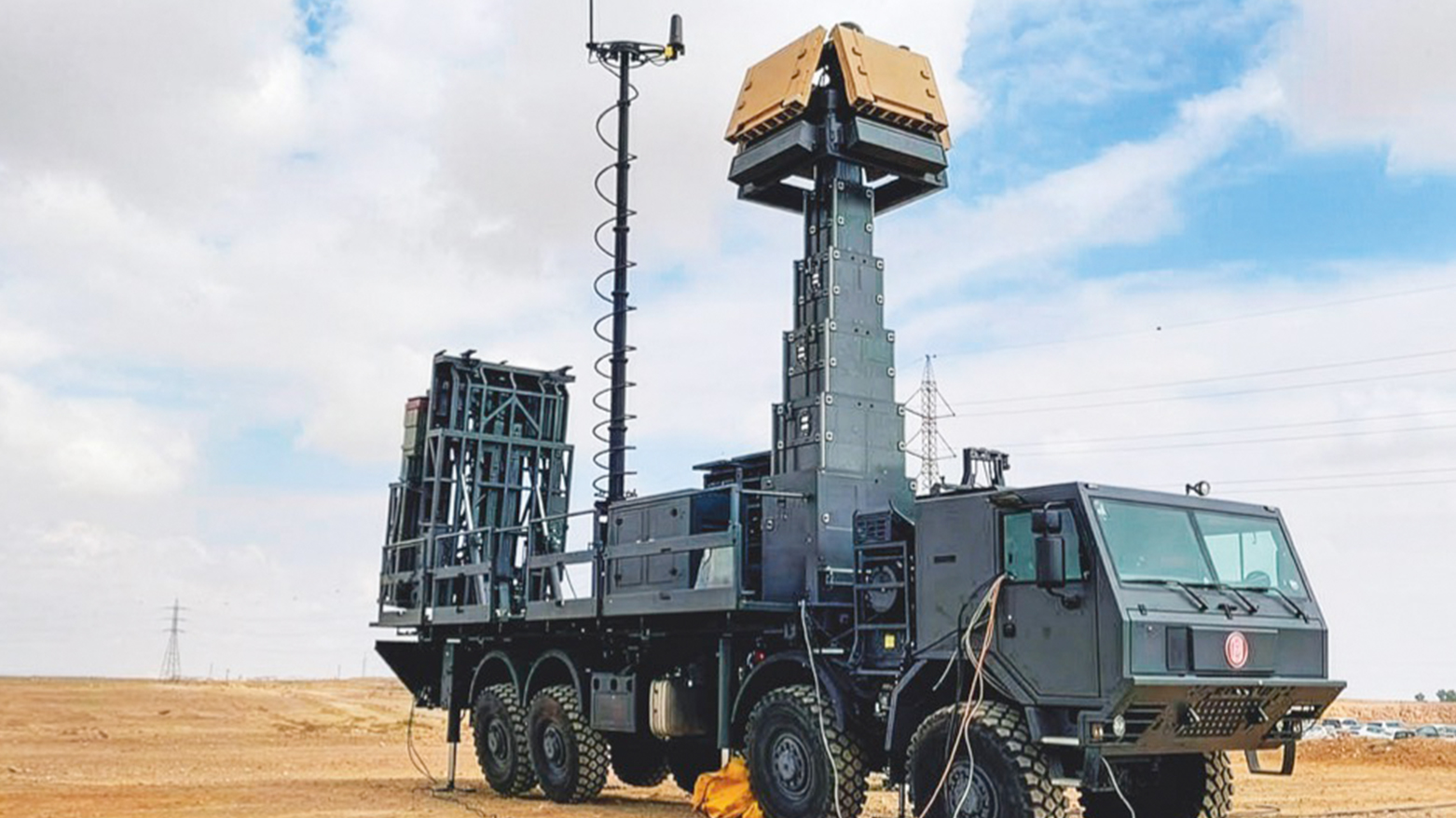
ERBIL (Kurdistan24) - Greece has taken one of the most consequential steps in its defense modernization program by approving the acquisition of a €3.5 billion ($4 billion) multilayer air defense system centered on Israeli technology, underscoring Athens' determination to reshape its military capabilities for an increasingly complex regional security environment.
The decision, authorized by Greece's Government Council for National Security (KYSEA), marks far more than a major procurement contract.
It represents a long-term investment in a new defensive architecture designed to protect the country against a broad spectrum of modern aerial threats, from ballistic missiles and combat aircraft to increasingly sophisticated drone systems.
Defense Minister Nikos Dendias said the network is expected to become fully operational within 35 months, describing the project as a cornerstone of Greece's broader effort to strengthen national defense.
He also announced that Greek industry will manufacture at least one-quarter of the system, reflecting an emphasis on expanding domestic defense production alongside the acquisition of advanced foreign technology.
The approval comes as Greece pursues an ambitious military modernization agenda projected to span the next decade.
Athens plans to invest roughly €28 billion by 2036 in upgrading its armed forces, a program that includes next-generation combat aircraft, new naval assets and advanced surveillance capabilities aimed at improving operational readiness across multiple domains.
At the heart of the newly approved project is the concept known as Achilles' Shield, a multilayered air defense framework intended to integrate different interception capabilities into a unified network.
Rather than relying on separate missile batteries operating independently, the system is designed to create a coordinated defensive umbrella capable of responding to a range of simultaneous threats.
Background reporting by Vassilis Nedos for Ekathimerini indicates that the architecture combines anti-aircraft, anti-ballistic and counter-drone systems supplied by Israeli defense manufacturers.
Together, these components are intended to replace or complement portions of Greece's existing inventory while significantly improving the country's ability to respond to evolving aerial threats.
A defining feature of the project is the planned Command-and-Control (C2) network linking the various defensive layers.
The software architecture is expected to use artificial intelligence-assisted tools to identify incoming threats, classify them and recommend the most appropriate interception option, allowing operators to manage complex engagements more efficiently.
Equally significant is Greece's insistence on retaining ownership of the software architecture that governs the integrated system.
According to the Ekathimerini report, ensuring national control over the digital backbone of the network formed an important element of negotiations, reflecting the strategic importance Athens places on operational autonomy even while relying on international defense partners.
Industrial participation also occupies a prominent place within the agreement.
Greek companies are expected to contribute at least 25% of the project's production, aligning the procurement with broader efforts to strengthen the country's defense manufacturing base and expand domestic technological expertise.
The approval further highlights the steady expansion of defense cooperation between Greece and Israel, a relationship that has broadened considerably in recent years beyond equipment purchases alone.
The two countries already cooperate through a flight training center operating in Greece, conduct regular joint military exercises and work together on areas including counter-drone technologies and cybersecurity.
Last year, Athens also purchased Israeli-made rocket artillery systems, reinforcing a defense partnership that has become an increasingly important element of Greece's modernization strategy.
The latest agreement builds on that trajectory by placing Israeli technology at the core of what is expected to become Greece's principal integrated air defense network.
Thursday's KYSEA meeting also endorsed several additional procurement programs that complement the country's wider modernization effort.
Among them were the acquisition of three Embraer C-390 military transport aircraft, British-built VICTA mini-submarines for special operations, Israeli Heron unmanned aerial vehicles and U.S.-made V-BAT drones.
Ekathimerini also noted approval for additional initiatives, including military microsatellites developed through cooperation with Poland and Hellfire missiles intended for Army Aviation Apache helicopters.
Together, these projects reflect Athens' pursuit of a more networked and technologically advanced force structure spanning land, sea, air and space.
Greece already allocates nearly 3.5% of its gross domestic product to defense, among the highest proportions within NATO, and continues to prioritize military investment amid longstanding tensions with Türkiye and a security landscape increasingly shaped by precision missiles, unmanned systems and rapidly evolving air threats.
Against that backdrop, the approval of the Achilles' Shield program signals a shift from incremental capability upgrades toward a comprehensive defensive framework built around integration, interoperability and domestic industrial participation.
By combining advanced Israeli technology with long-term national investment and greater local production, Athens is seeking not only to strengthen its immediate defenses but also to establish a foundation for future military resilience.
|
Summary Greece has approved a €3.5 billion ($4 billion) Israeli-built Achilles' Shield air defense system, expanding protection against missiles, aircraft and drones while accelerating military modernization, strengthening Greek-Israeli defense ties and boosting domestic defense production. |