WSJ: Satellite Imagery Points to Rapid Reconstruction Across Iran
Satellite imagery reviewed by The Wall Street Journal indicates Iran has rapidly repaired roads, tunnel entrances and military infrastructure, fueling debate over the long-term impact of U.S. and Israeli airstrikes.
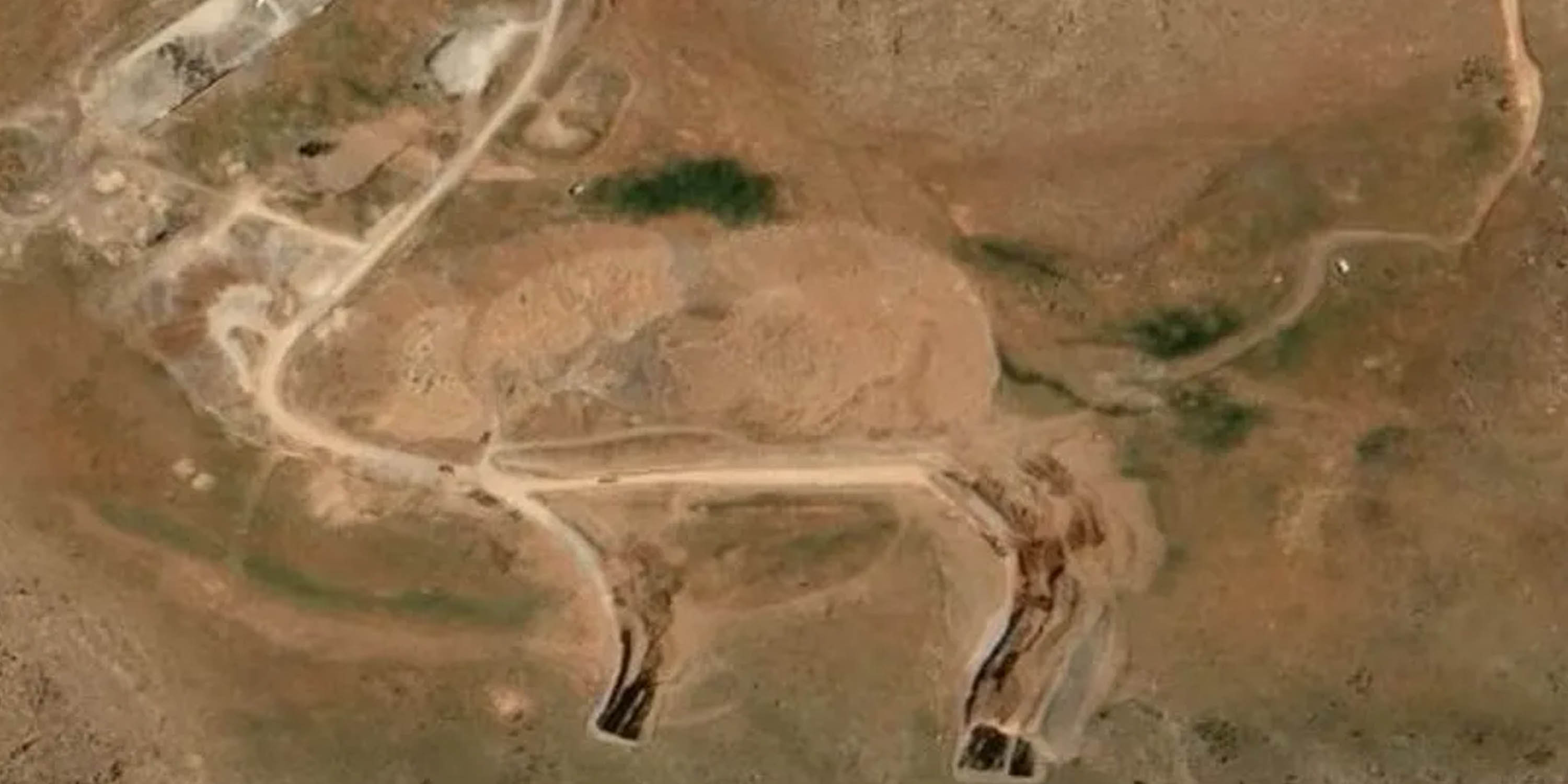
ERBIL (Kurdistan24) - Satellite imagery reviewed by The Wall Street Journal (WSJ) indicates that Iran has moved quickly to restore infrastructure damaged during months of U.S. and Israeli airstrikes, with reconstruction underway at military installations, transportation links and industrial facilities across the country.
The images, supported by assessments cited by the newspaper, suggest that repair work has advanced at several strategic locations only weeks after they were targeted.
Cleared debris, rebuilt access roads, reopened tunnel entrances and renewed activity at key sites point to a reconstruction effort that has proceeded faster than some officials and analysts had anticipated.
Among the locations highlighted by the WSJ is a missile base near Kangavar in western Iran. Satellite images first showed damaged access roads and blocked tunnel entrances following airstrikes intended to restrict access to the underground complex.
Later imagery revealed newly paved roads and excavation work reopening those entrances, indicating that crews had rapidly resumed operations at the site.


The newspaper also reported reconstruction at a missile facility near Kermanshah, where satellite photographs showed repaired roads and heavy equipment clearing collapsed tunnel entrances.
Similar signs of recovery were identified at a shipyard in Bandar Anzali on the Caspian Sea that had previously been struck during Israeli operations targeting infrastructure linked to the Islamic Revolutionary Guard Corps.
Additional imagery reviewed by the WSJ showed rebuilding activity at Raja Shimi Industries near Tehran, a facility believed by researchers to be involved in producing missile components. New structures visible at the site suggest reconstruction has begun following earlier damage.
The pace of the work has renewed discussion about the long-term effectiveness of the military campaign.
According to the WSJ, some Israeli officials have privately expressed concern that Iran's recovery has outstripped expectations, particularly at facilities where airstrikes primarily blocked access points rather than destroying underground infrastructure.
The report notes that in several cases, strikes collapsed tunnel entrances while leaving equipment and weapons stored deeper inside mountain complexes intact.
Subsequent excavation efforts visible in satellite imagery indicate that Iran has been working to restore access to those facilities.
At the same time, U.S. and Israeli officials continue to defend the overall results of the campaign.
The WSJ reported that the White House described the operation as a significant success, arguing it had severely weakened Iran's missile production capacity, naval forces and broader military capabilities while setting back its strategic programs.
Israeli leaders have similarly maintained that the strikes inflicted lasting damage on Iran's military infrastructure.
Military analysts cited by the newspaper, however, drew a distinction between different categories of facilities.
They said roads, tunnels and conventional infrastructure can often be repaired relatively quickly by a country with substantial engineering and industrial resources.
More specialized capabilities, such as advanced production facilities for critical missile components, could require considerably more time to rebuild if they were extensively damaged.
Other experts noted that Iran's long-standing industrial base and experience rebuilding military assets after previous conflicts may have contributed to the speed of current reconstruction efforts.
According to the WSJ, analysts said existing technical expertise and potential underground stockpiles could allow Tehran to restore portions of its military capability while more complex facilities undergo longer-term reconstruction.
The satellite evidence does not resolve broader questions about the campaign's strategic impact, but it illustrates the extent to which rebuilding has already begun across multiple locations.
As reconstruction continues, the imagery highlighted by The Wall Street Journal underscores both Iran's capacity to restore damaged infrastructure and the continuing debate over how enduring the effects of the U.S. and Israeli air campaign are likely to be.
|
Summary Satellite imagery reviewed by The Wall Street Journal shows Iran rapidly restoring military infrastructure, roads, tunnel entrances and industrial sites damaged by U.S. and Israeli strikes, prompting renewed debate over the campaign's long-term effectiveness and Iran's recovery capacity. |