US-Iran Conflict Deepens as Tehran Rejects Ceasefire and Britain Raises Military Readiness
Tehran dismissed the prospect of an interim ceasefire with the United States, while the IRGC claimed fresh attacks on US military positions in Kuwait
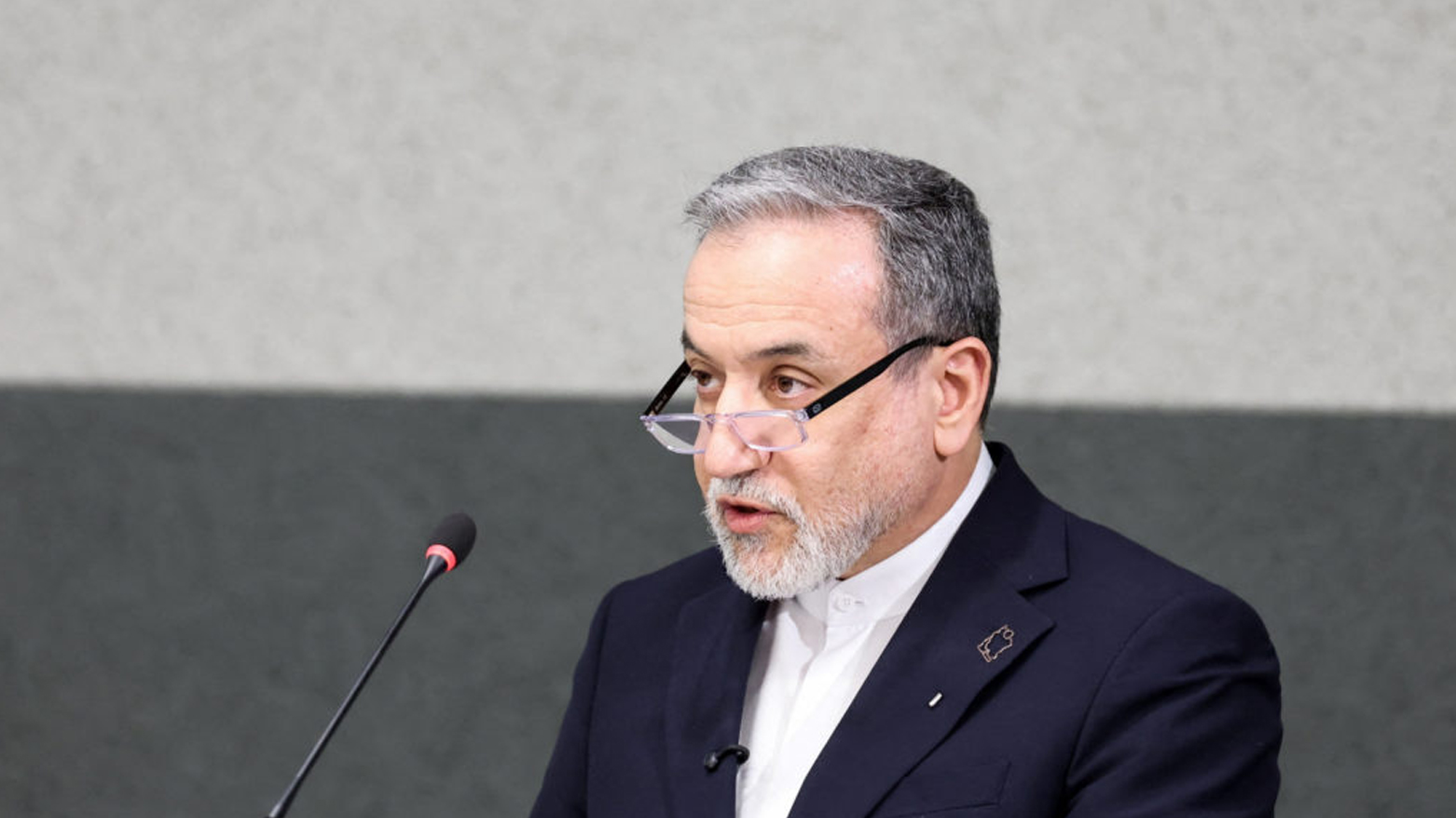
ERBIL (Kurdistan24) - Iran on Friday ruled out any temporary ceasefire with the United States, insisting military operations would continue until what it described as the legitimate objectives of the Iranian people are achieved, as the conflict expanded across the Gulf and diplomatic rhetoric intensified.
Iranian Foreign Minister Abbas Araghchi said Tehran would not accept a temporary truce "under any circumstances."
Speaking in remarks carried by Iran's Tasnim News Agency, Araghchi said consultations with Russia and China remain ongoing and detailed discussions had also taken place with the foreign ministers of both countries.
He added that Pakistan had conveyed proposals and initiatives regarding the conflict but stressed that mediation was not the central issue between Tehran and Washington.
"The problem is not mediation. The problem is the American approach," Araghchi said, adding that Iran would neither submit to pressure nor respond to threats.
He said safeguarding the Iranian people and protecting Iran's interests in the Strait of Hormuz remain fundamental principles of Tehran's policy.
"As long as the legitimate goals and demands of the Iranian people are not achieved, it is natural that we will continue our course," he said.
Separately, Iran's Revolutionary Guards announced what they described as the 27th wave of "Operation True Promise 2," claiming strikes against US military facilities in Kuwait and Bahrain.
According to the statement, the Guards said they targeted three American logistics depots and military supply facilities at Camp Udairi in Kuwait, setting them ablaze.
The statement also claimed Iranian forces struck the US Navy's Fifth Fleet surveillance tower in Bahrain, causing what it described as significant damage.
The Revolutionary Guards further warned residents of countries hosting US military bases to remain at least 500 meters away from American military facilities, claiming future attacks would be more powerful.
Meanwhile, Britain announced that its armed forces had been placed on heightened alert following Iranian warnings over London's support for US military operations.
According to Reuters, a British government spokesperson said the country's armed forces were fully prepared to defend the United Kingdom against any domestic or external threat.
The spokesperson said Britain's multilayered air defense system integrates naval, land, and air capabilities in close coordination with NATO allies.
The announcement followed Iranian Revolutionary Guards' claims that US aircraft had launched strikes on Iran from RAF Fairford in southwest England, accompanied by a warning that any military base supporting such operations would be considered a legitimate target.
The report also noted that tensions come after British Prime Minister Andy Burnham reaffirmed the UK's commitment to allowing the United States to use British military facilities under collective defense arrangements.
On Thursday, US President Donald Trump defended a proposed civilian nuclear cooperation agreement between Washington and Saudi Arabia, emphasizing that it would not permit uranium enrichment and would remain exclusively for peaceful purposes.
In a statement published on his Truth Social platform, Trump said the agreement between the US Department of Energy and Saudi Arabia "pertains only to non-military use" and contains "no enrichment of material."
He added that final approval of the agreement would be contingent upon Saudi Arabia joining the Abraham Accords.
"The United States is not opposed to Civil (Non-Enriched) Nuclear Facilities," Trump said.