Zakho Launches Major Reforestation Drive With More Than 16,000 Trees
The new initiative expands the Kurdistan Region's One Million Trees campaign while creating jobs and establishing a sustainable urban forest at the University of Zakho.
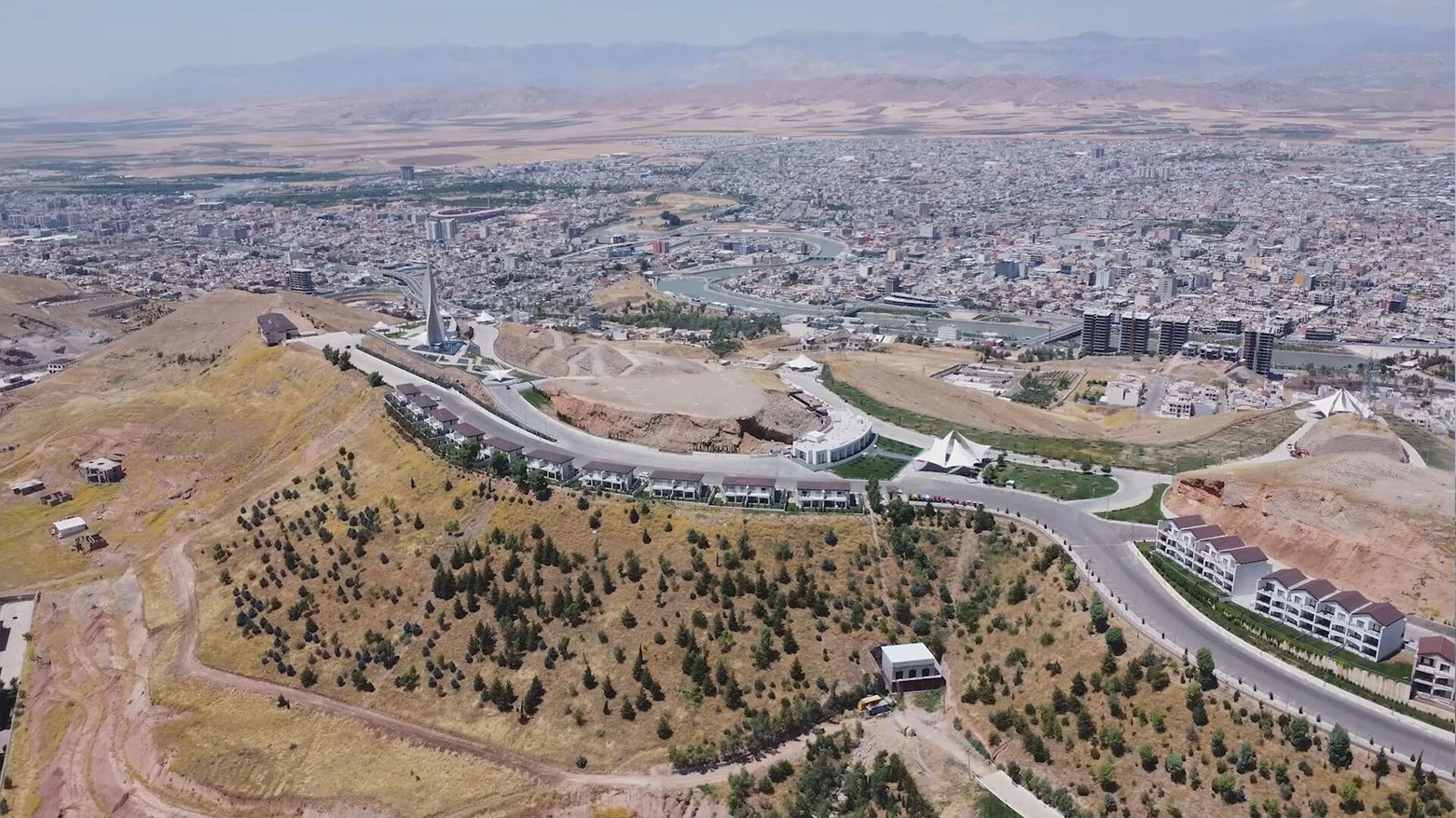
ERBIL (Kurdistan24) - A major reforestation project aimed at expanding green space and strengthening climate resilience has been launched in Zakho, where more than 16,000 trees will be planted through a partnership between the Zakho Independent Administration, the International Labour Organization (ILO), and the University of Zakho.
The initiative will see 16,350 trees planted across land allocated within the University of Zakho campus, marking another milestone in the administration's broader One Million Trees campaign.
The project builds on earlier progress that has already resulted in the planting of more than 40,000 trees, reflecting a wider effort to increase forest cover and promote environmental sustainability across the Kurdistan Region.
Designed over the past two years, the project places particular emphasis on long-term success rather than simply increasing the number of trees planted.
Organizers have incorporated international implementation standards into the plan, including the installation of a modern irrigation network and the establishment of a dedicated maintenance team responsible for nurturing the saplings as they mature.
The approach is intended to improve survival rates and ensure the new forest develops into a lasting environmental asset capable of supporting the region's broader climate objectives.
Beyond its environmental ambitions, the initiative is also expected to generate economic and social benefits.
The project is creating employment opportunities for local residents, internally displaced persons (IDPs), and refugees, offering work throughout the planting and maintenance phases.
The ILO is supporting the workforce by providing labor protections and comprehensive health insurance, ensuring that employees are covered in the event of workplace injuries or other health-related incidents while participating in the project.
Once completed, the designated site will become a landscaped forest within the University of Zakho campus, transforming an area of approximately 22 to 22 acres (80 to 90 dunams) into a public green space designed for education, recreation, and research.
Plans for the site include pedestrian walkways, seating areas, and cafés intended to serve students, researchers, and visitors while creating an accessible outdoor environment that encourages community engagement with nature.
The forest will primarily feature pistachio and olive trees selected for the project.
The initiative reflects a growing emphasis on integrating environmental planning with community development, combining ecological restoration with employment generation and improved public spaces.
According to infomration obtained by Kurdistan24, the project is expected to contribute to cleaner air, expand urban green cover, and support biodiversity while helping mitigate some of the impacts of climate change in the Kurdistan Region.
By combining long-term maintenance with carefully planned infrastructure and community participation, organizers aim to establish a sustainable urban forest that will provide environmental and social benefits for years to come.
As the One Million Trees campaign continues to expand, the Zakho initiative represents one of its largest single-site projects to date, underscoring the increasing role of coordinated partnerships between public institutions, international organizations, and academic bodies in advancing the Kurdistan Region's environmental goals.
|
Summary A new reforestation project in Zakho will plant more than 16,000 trees through a partnership involving the Zakho Independent Administration, the ILO and the University of Zakho, supporting climate resilience, job creation, biodiversity and the Kurdistan Region's One Million Trees campaign. |