Kurdish MPs Seek Higher Oil Allocation to Ease Kurdistan Fuel Shortage
Kurdish lawmakers say a larger crude oil allocation would expand subsidized fuel production, improve supply, and help reduce gasoline prices across the Kurdistan Region.
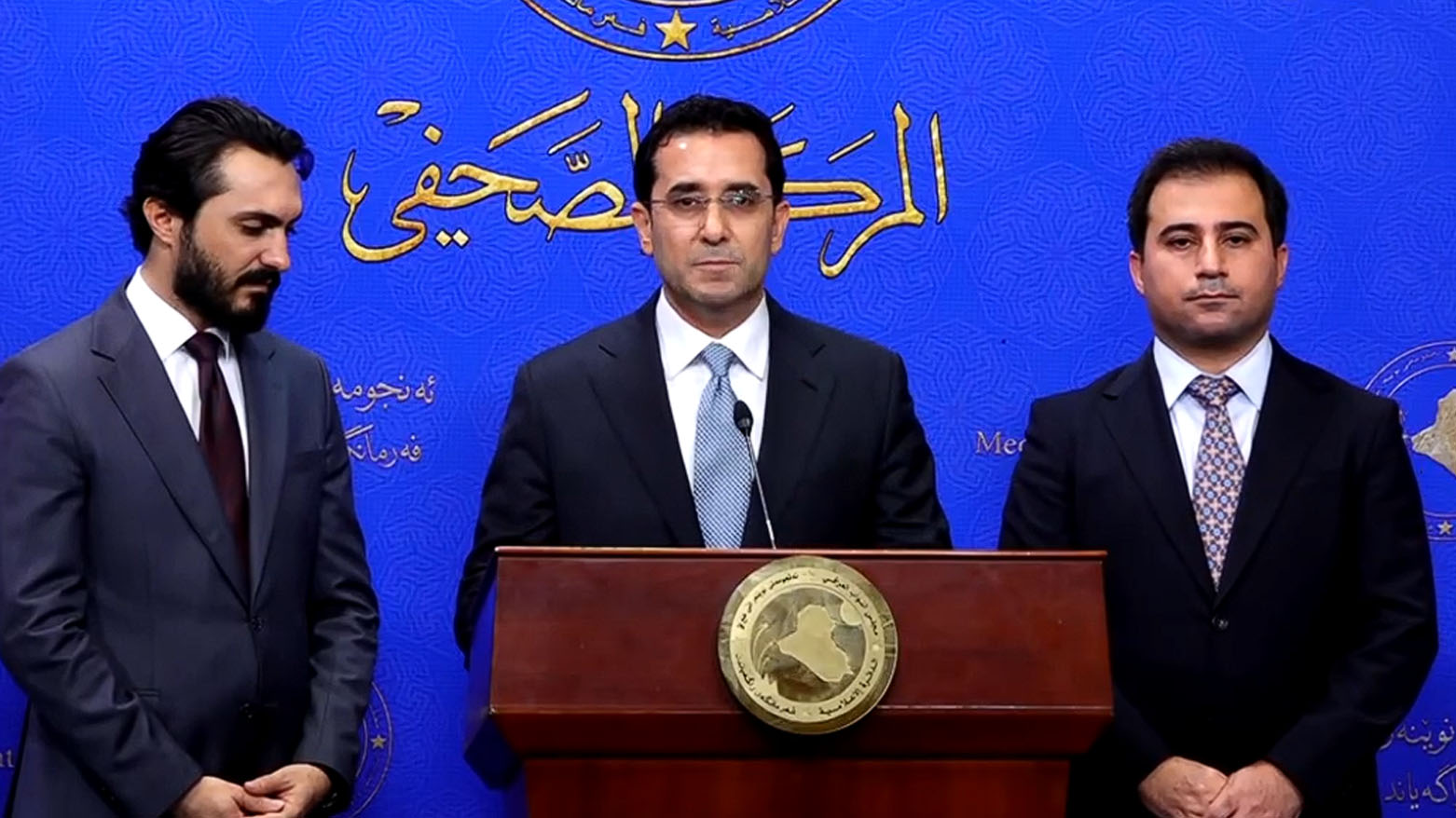
ERBIL (Kurdistan24) - Kurdish members of the Iraqi Parliament on Monday urged Baghdad to increase the Kurdistan Region's daily crude oil allocation from 50,000 barrels to 140,000 barrels, arguing that a larger quota would ease fuel shortages and help bring down gasoline prices. Iraq's Federal Oil Minister responded positively to the proposal, lawmakers said, although any change would require the approval of Prime Minister Ali al-Zaidi.
The proposal emerged during a meeting between a Kurdish parliamentary delegation, led by Iraqi Parliament Deputy Speaker Farhad Atrushi, and the Federal Oil Minister as part of ongoing efforts to address fuel supply challenges affecting the Kurdistan Region.
Following the talks, MP Daner Abdulghafar said lawmakers had outlined the extent of the fuel shortage and presented several proposals, with expanding the Region's crude oil allocation at the center of the discussions.
"We presented a set of proposals, chiefly requesting an increase in the current 50,000-barrel daily crude oil allocation," Abdulghafar said. "The Minister was receptive and agreed, but stressed that the final decision rests with the Iraqi Prime Minister."
He added that Atrushi's office would formally submit the request to Prime Minister al-Zaidi in line with existing agreements governing relations between Baghdad and the Kurdistan Regional Government.
Lawmakers said the proposal is intended to provide a longer-term solution to persistent fuel supply constraints by increasing the amount of crude available for domestic refining in the Kurdistan Region.
Sipan Sherwani, a member of the Iraqi Parliament's Oil and Gas Committee, said the current allocation no longer reflects the Region's needs.
According to Sherwani, the Kurdistan Region receives 50,000 barrels of crude oil per day under the existing Erbil-Baghdad arrangement, while more than one million barrels are distributed for domestic consumption elsewhere in Iraq.
"The fuel crisis in the Kurdistan Region stems from the fact that under the Erbil-Baghdad agreement, the domestic allocation for the Region is capped at a mere 50,000 barrels," Sherwani said.
He argued that any revised allocation should be based on an agreed formula that ensures equitable treatment, whether calculated according to the Kurdistan Region's share of Iraq's population, the number of registered vehicles, fuel consumption levels, or another mutually accepted standard.
"We informed the Oil Minister that a fair and equitable metric must be established," Sherwani said. "We are amenable to any standard, provided it ensures equity."
The committee member said lawmakers believe an allocation of 140,000 barrels per day would significantly strengthen the Region's domestic fuel supply by increasing production of government-subsidized gasoline.
Greater availability of subsidized fuel, he argued, would ease pressure on the commercial market, where higher-priced gasoline has become increasingly important in meeting demand.
"If the supply of government-subsidized gasoline increases, the price will decrease," Sherwani said. "This will automatically reduce the demand for commercial gasoline, subsequently driving down commercial prices across the board."
Lawmakers described the discussions as part of broader coordination between Kurdish representatives and federal authorities aimed at resolving practical energy issues through dialogue.
Abdulghafar said the Oil Minister had acknowledged the challenges presented during the meeting and indicated preliminary support for increasing the Region's allocation, while reiterating that implementation ultimately depends on the approval of Prime Minister al-Zaidi.
Sherwani likewise characterized the meeting as constructive, saying the minister expressed optimism about addressing the issue through continued discussions.
The proposal comes amid wider efforts by Erbil and Baghdad to improve cooperation on energy and economic matters, with Kurdish lawmakers emphasizing that increasing the Kurdistan Region's crude oil allocation would help stabilize domestic fuel supplies while easing pressure on consumers.
For now, parliamentary representatives say they will continue discussions with federal officials as they seek final approval for the proposed increase, while stopping short of predicting when a decision might be reached.
|
Summary Kurdish lawmakers met Iraq's Oil Minister to seek an increase in the Kurdistan Region's daily crude oil allocation from 50,000 to 140,000 barrels, arguing the move would expand subsidized fuel production, ease shortages, and help lower gasoline prices pending federal approval. |