Iran, Saudi Arabia, Oman Discuss Hormuz Security Amid Regional Calm
Top diplomats call for greater coordination to restore stability in the strategic waterway after months of conflict disrupted regional shipping
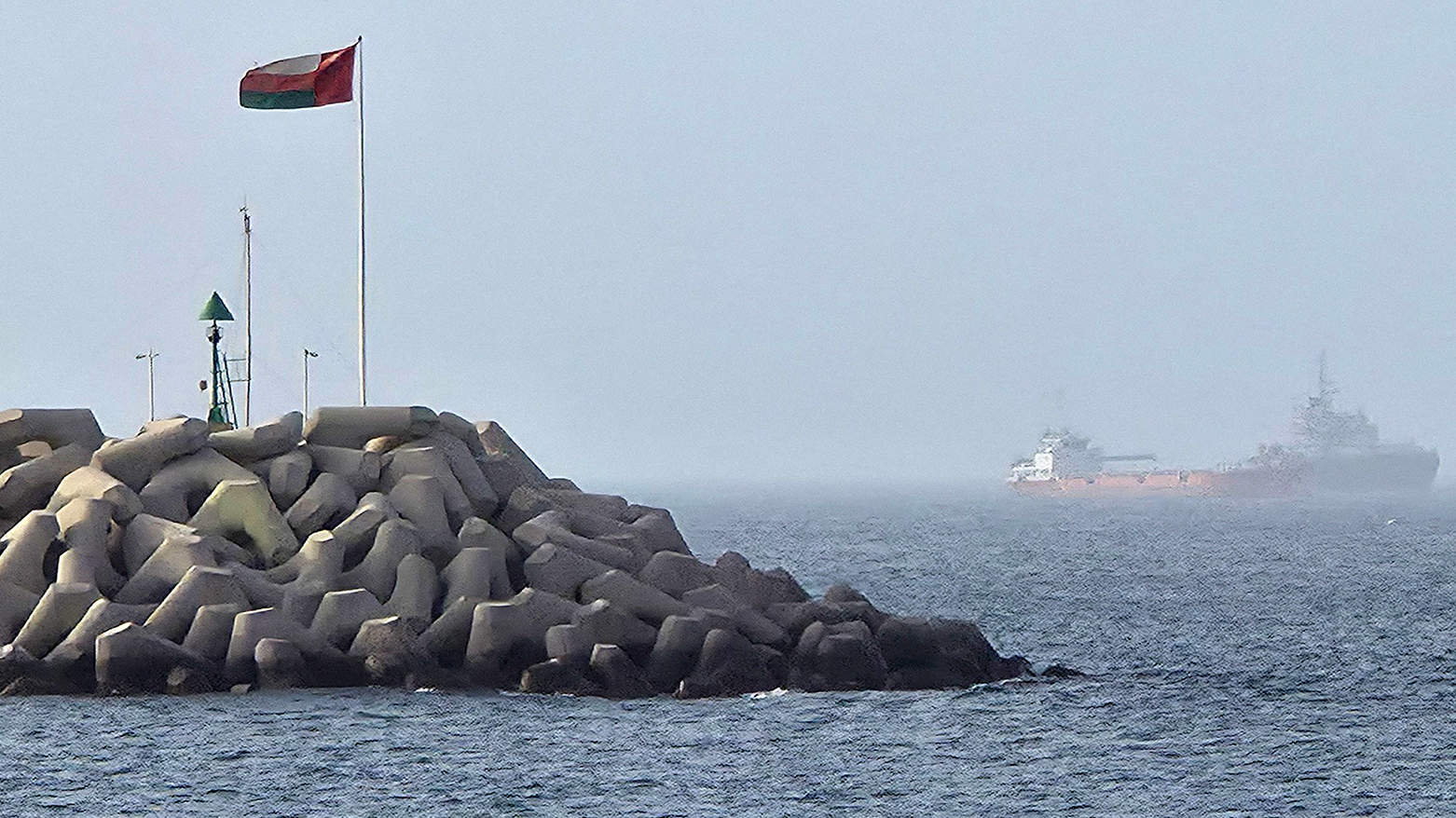
ERBIL (Kurdistan24) — Iranian Foreign Minister Abbas Araghchi held separate telephone conversations with his Saudi and Omani counterparts to discuss security in the Strait of Hormuz, as regional powers stepped up diplomatic efforts to ease tensions following months of conflict across the Middle East.
Iran's state television reported Tuesday that Araghchi spoke with Saudi Foreign Minister Prince Faisal bin Farhan and Omani Foreign Minister Badr Al-Busaidi, with the discussions focusing on cooperation to restore stability in the strategically vital maritime corridor.
According to the state broadcaster, the three ministers emphasized the importance of strengthening regional cooperation and advancing joint diplomatic efforts to address insecurity in the Strait of Hormuz.
During the calls, they stressed the need to "strengthen cooperation and advance joint diplomatic efforts to establish stability in the region and eliminate the insecurity imposed on the Strait of Hormuz due to the aggressive actions of the United States," Iranian state television reported.
The Strait of Hormuz has remained at the center of the regional conflict since the outbreak of the Middle East war on Feb. 28, with military activity disrupting commercial shipping through one of the world's most critical energy transit routes.
The waterway, through which a substantial share of global oil exports passes, has remained at the center of regional tensions as military confrontations have affected maritime traffic and energy markets.
In recent weeks, the conflict expanded beyond the Gulf after fighting intensified between Saudi Arabia and Yemen's Iran-backed Houthi movement, raising fears of a broader regional escalation and further threats to key shipping lanes.
Despite the heightened tensions, the past several days have seen a relative lull in hostilities, providing an opportunity for renewed diplomatic engagement aimed at preventing further escalation and restoring stability to the region's strategic waterways.
The renewed diplomatic engagement among regional powers comes as Washington and Tehran continue to signal cautious openness to de-escalation after months of military confrontation. While Gulf states have intensified efforts to safeguard regional stability and key shipping routes, the United States and Iran remain engaged in indirect contacts amid a fragile pause in hostilities.
On Monday, U.S. President Donald Trump said he believed there was a "good chance" diplomacy could produce an agreement with Iran, while warning that the United States was prepared to resume military operations if negotiations failed.
His remarks followed three consecutive days without direct hostilities after nearly two weeks of renewed U.S. strikes on Iran, raising hopes for diplomacy despite Tehran's insistence that no direct negotiations are taking place and that communications continue through intermediaries.