Iraq's National Security Council to Hold Emergency Meeting After Joint US-Saudi Strikes
Iraqi Prime Minister Ali al-Zaidi ordered an emergency session of the National Security Council to assess the security situation following the joint US-Saudi airstrikes across Iraq
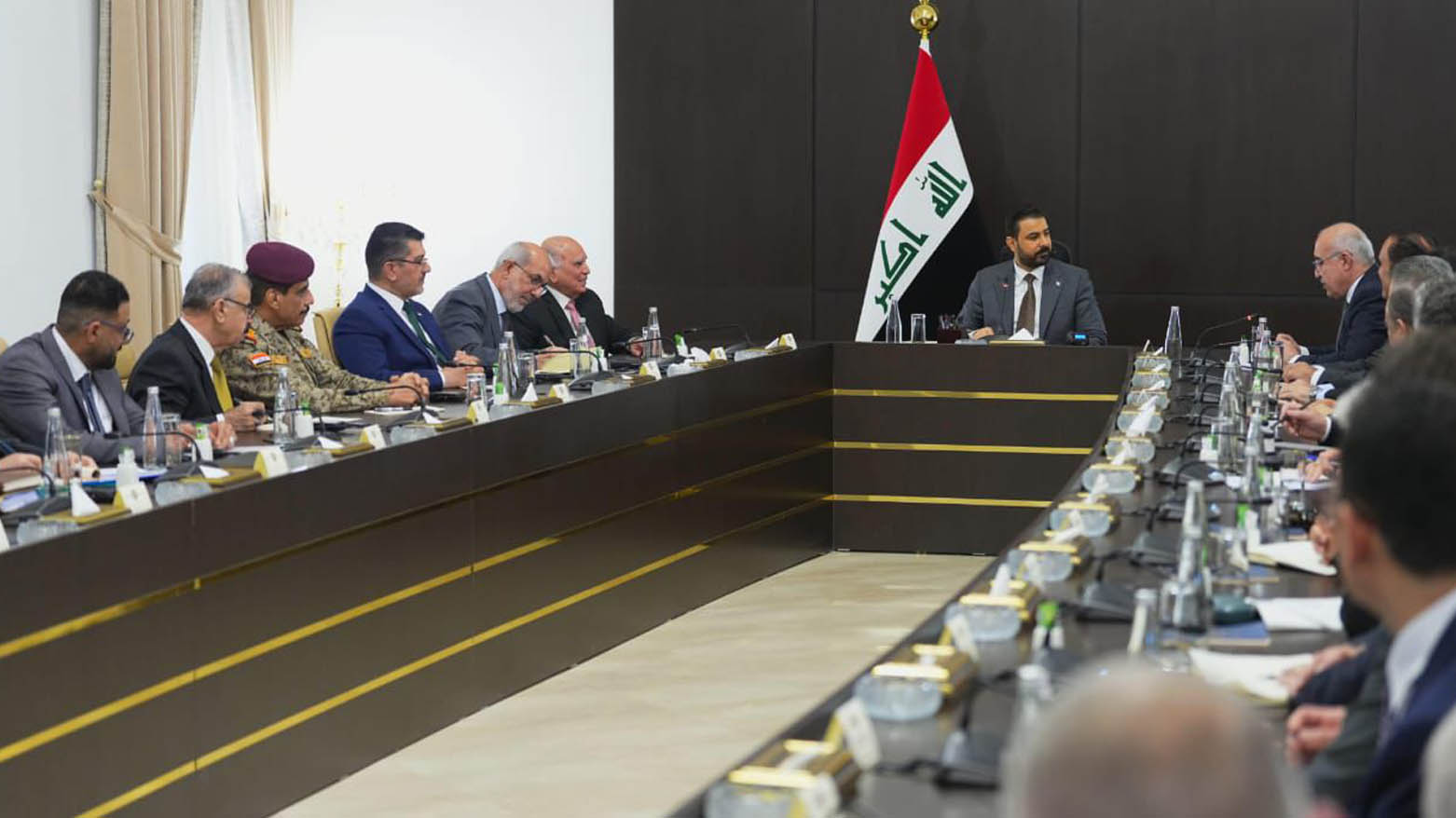
Erbil (Kurdistan24) - Iraqi Prime Minister Ali al-Zaidi has ordered an emergency meeting of the Ministerial Council for National Security following the joint US-Saudi airstrikes carried out early Wednesday across multiple locations in Iraq, as Baghdad moves to assess the rapidly evolving security situation.
In a statement issued on Wednesday, Iraq's Security Media Cell said al-Zaidi, who also serves as commander-in-chief of the armed forces, directed that the council convene urgently to discuss the latest developments.
According to the statement, the emergency session was called in response to the security developments resulting from the airstrikes carried out earlier in the day.
The Security Media Cell added that a detailed statement outlining the developments and the decisions taken during the meeting would be released after the session concludes.
Earlier on Wednesday, US and Saudi fighter aircraft carried out a joint operation targeting multiple Popular Mobilization Forces positions, weapons depots and sites belonging to Iran-backed armed groups across several Iraqi provinces.
According to previous statements by US Central Command (CENTCOM) and Saudi Arabia's Ministry of Defense, the operation was launched in response to more than 30 drone attacks over the previous 72 hours that targeted Saudi energy infrastructure and US military bases in the region from Iraqi territory.
The operation has further heightened regional security tensions.
The Popular Mobilization Forces said in a statement that its facilities in Basra, Amerli, Nineveh and Karbala were targeted during the strikes.
The group said that 10 of its members were killed and two others were wounded in Basra alone.
It also described the strikes on its official facilities as a clear violation of Iraq's sovereignty and a dangerous threat to the country's security institutions.