Baghdad Court Recovers 20 Billion Iraqi Dinars Stolen Through Corruption
Asset recovery comes as Iraq intensifies nationwide anti-corruption campaign under Prime Minister Ali al-Zaidi
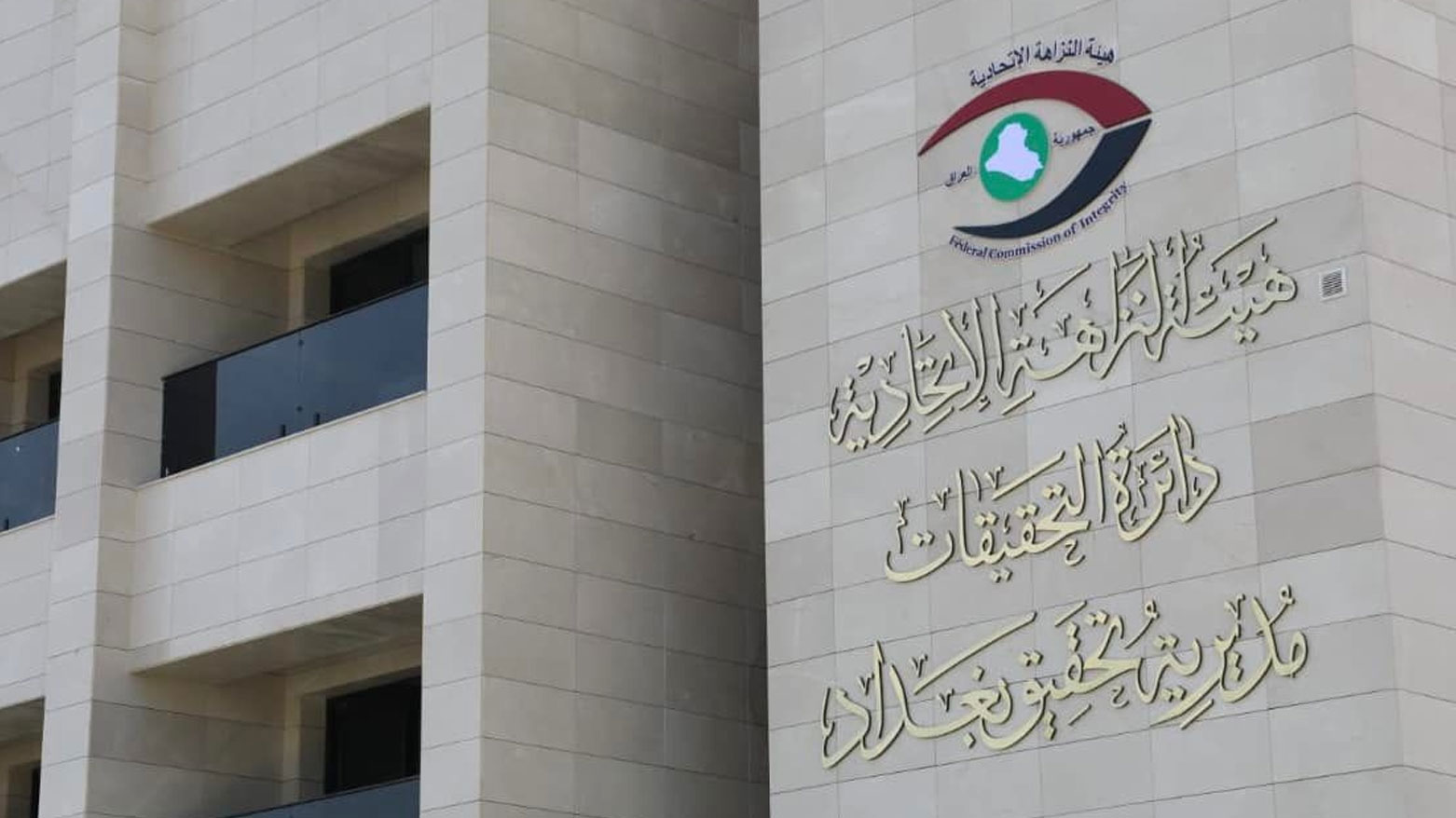
ERBIL (Kurdistan24) — An Iraqi investigative court has recovered 20 billion Iraqi dinars (approximately $15.2 million) that had been misappropriated through corruption and financial fraud, marking another high-profile development in the country's expanding anti-corruption campaign.
The Rusafa Investigative Court in Baghdad, which specializes in integrity and money laundering cases, announced on Sunday that it had successfully recovered the funds and returned them to the state treasury.
According to a statement issued by the court, the recovery was made as part of an ongoing investigation into financial and administrative corruption, as well as financial fraud schemes.
The court said legal proceedings against those involved would continue, stressing that authorities remain committed to pursuing individuals who use illegal means to obtain financial gains at the expense of public funds.
"The legal measures against the violators will continue," the statement said, emphasizing that efforts to protect public money and hold corrupt officials accountable remain a priority.
The recovery comes amid a sweeping anti-corruption drive launched by the Iraqi government under Prime Minister Ali al-Zaidi, who has made combating corruption one of the central pillars of his administration.
Iraqi authorities have pledged to dismantle entrenched corruption networks, recover stolen public assets, and strengthen the rule of law through closer coordination between judicial, security, and oversight institutions.
As part of that campaign, Iraqi security forces and the Counter-Terrorism Service, acting in coordination with the Supreme Judicial Council, launched a large-scale operation dubbed "Dawn Campaign" on June 28.
The operation resulted in the arrest of several senior officials and political figures accused of corruption-related offenses, signaling the government's willingness to pursue high-profile suspects.
Corruption has long been one of Iraq's most persistent governance challenges, costing the country billions of dollars in public funds since 2003 and undermining efforts to improve public services and economic development.
Successive governments have pledged reforms, but critics have argued that enforcement has often been selective and insufficient.
Since taking office, Prime Minister Ali al-Zaidi has sought to distinguish his administration through an aggressive anti-corruption agenda, with authorities increasingly targeting major financial crimes, recovering state assets, and expanding judicial investigations into suspected embezzlement, money laundering, and abuse of public office.
Sunday's announcement by the Rusafa Investigative Court is the latest indication of the government's efforts to demonstrate tangible progress in its campaign against corruption.