MBS Urges Trump to Hold Back, Hours Later Trump Cancels Massive Iran Strike After Tehran Requests Halt
In a dramatic 24-hour sequence, Saudi Arabia privately pressed Washington to stand down while Iran simultaneously asked for a halt, producing the most significant diplomatic breakthrough since the June 17 memorandum of understanding
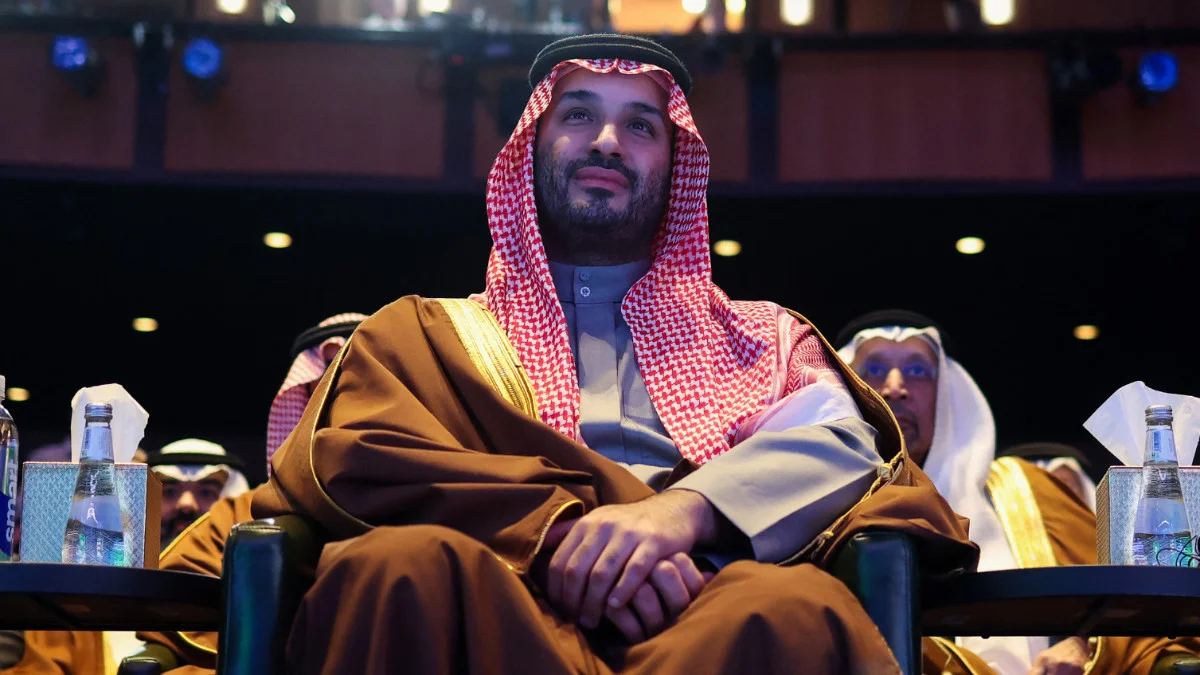
WASHINGTON, D.C. (Kurdistan 24) - In one of the most consequential 24-hour diplomatic sequences of the five-month US-Iran war, Saudi Crown Prince Mohammed bin Salman personally called President Donald Trump on Saturday to urge de-escalation and warn against massive new strikes on Iran, only for Trump to announce hours later on Truth Social that he had cancelled the planned attack after Iran and other Middle Eastern countries asked him to hold off, with deal parameters agreed that include the immediate, complete, and total opening of the Strait of Hormuz and an end to Iran's nuclear threat.
Axios reported on Saturday, citing two US officials and a third source with knowledge of the call, that MBS contacted Trump directly to express concern over Washington's plans for unprecedented military action against Iranian energy targets. "The Saudis expressed concern and asked for clarity about the plan of action," one US official told Axios. A second source said MBS urged Trump to de-escalate and refrain from launching the strikes. The White House and the Saudi embassy in Washington both declined to comment.
Hours after that call, Trump posted on Truth Social: "The US is locked and loaded and ready to go against the Islamic Republic of Iran, at levels of Military Terror, Strength, and Power not seen since World War II. Despite this, we have just been asked by Iran, and other Middle Eastern Countries, to hold off any attack in that the perimeters of a deal has been agreed to."
Trump said the agreed parameters include the immediate, complete, and total opening of the Strait of Hormuz and an end to Iran's nuclear threat. "Based on this request, I have agreed, for the future benefit of the WORLD and, likewise, the survival of a successful and prosperous Iran, to cancel the attack, subject to being able to rapidly make a DEAL," he wrote. "The Country of Israel joins me in this commitment. Get to work, everybody, and get it DONE."
The Scale of What Was Cancelled
The military action Trump described as cancelled was not a routine retaliatory strike. The Wall Street Journal reported on Wednesday that CENTCOM had been preparing options for a 10 to 14-day intensive air campaign specifically targeting Tehran's missile capabilities, a plan that would have represented a fundamental departure from the measured nightly strikes that have defined the conflict. Trump told Axios this week he was weighing a "massive attack" on Iran bigger than anything Washington had yet attempted, and at Camp David on Friday, July 31, he told his Cabinet that Iran was "negotiating on fumes" while gesturing toward Secretary of Defense Pete Hegseth and warning that if Iran did not meet American demands, Hegseth would "finish them off."
Why MBS Called?
A direct and existential calculation drove Saudi Arabia's intervention. Iran had explicitly threatened on Friday through state-linked media and a senior security official quoted by Tasnim News Agency that its response plan includes strikes on oil and gas facilities across Saudi Arabia, the UAE, Qatar, and Israel if the US launched fresh attacks. A massive American assault on Iranian energy infrastructure, the kind CENTCOM was preparing, would almost certainly have triggered that full retaliation doctrine, placing Saudi Arabia's oil export terminals at Ras Tanura and Juaymah, already paused since March 9, 2026, under direct and sustained Iranian fire.
Saudi Arabia had already absorbed repeated Iranian attacks throughout the conflict. Euronews confirmed on March 2, 2026, that Iranian drones struck the Ras Tanura refinery. The National confirmed on Monday that Saudi air defenses intercepted multiple drones targeting oil facilities in the Eastern Province and Riyadh, with the attacks traced to Iranian-backed militias from Iraqi territory. Saudi Arabia had publicly reserved the right to respond "at the appropriate time and place," a formulation that reflected Riyadh's careful management of its exposure to the conflict. MBS's Saturday call reflected the judgment that a US strike escalating to Iranian energy infrastructure attacks across the Gulf was a threshold the kingdom could not afford to cross.
Israel Joins the Commitment
Trump's explicit statement that Israel joins Washington's commitment to cancel the attack and pursue a rapid deal carries significant diplomatic weight. Throughout the five-month conflict, Jerusalem and Washington have repeatedly diverged on war aims, with Israel seeking the permanent degradation of Iran's proxy network and the weakening of its government, while Washington focused on extracting a negotiated settlement. Israel's endorsement of the deal parameters, including the Hormuz opening and the nuclear threat resolution, suggests a degree of Israeli-American realignment on the conflict's endgame that had not been publicly visible in preceding months.
A Pattern That Has Repeated
The sequence of events leading to Saturday's cancellation follows a pattern that has defined the entire conflict. Trump is seriously considering attacking Iranian energy targets in the coming days, Axios had confirmed on July 31, in response to Iran's missile strike on Muwaffaq Salti Air Base in Jordan on July 17, which killed two US service members and wounded dozens, and Iran's continued disruption of commercial shipping through the Strait of Hormuz. The IRGC had fired missiles at US forces in Jordan in a surprise attack on July 28, all intercepted. The IRGC Navy had claimed three tankers were struck in Statement No. 53 on the same day. Iran's threats had escalated to explicitly naming Gulf energy infrastructure as targets. And then, at what appeared to be the conflict's most dangerous threshold, a diplomatic opening emerged.
It is the same pattern that produced the April 8 ceasefire, the June 17 memorandum of understanding, the talks in Switzerland, and the Doha negotiations, each of which collapsed within weeks amid renewed military exchanges. Whether the parameters Trump describes as agreed hold through the rapid deal-making process he has demanded, and whether the Hormuz opening and nuclear commitments Iran has apparently accepted translate into a durable and verifiable settlement, will determine whether Saturday, August 1, 2026, marks the beginning of the conflict's genuine resolution or another chapter in a cycle that has now repeated itself five times in five months.
| BRIEF: Saudi Crown Prince MBS called Trump on Saturday, urging him to cancel plans for massive Iran strikes, hours before Trump announced on Truth Social that he had done so after Iran requested a halt. Deal parameters agreed include the immediate opening of the Strait of Hormuz and an end to Iran's nuclear threat, with Israel joining the commitment pending a rapid deal. |