Saudi Arabia, Qatar, Jordan Urge De-escalation, Vow to Protect Regional Security
During separate telephone conversations on Sunday, the three ministers discussed the latest political and security developments, stressing the importance of preventing further military escalation and preserving stability across the region.
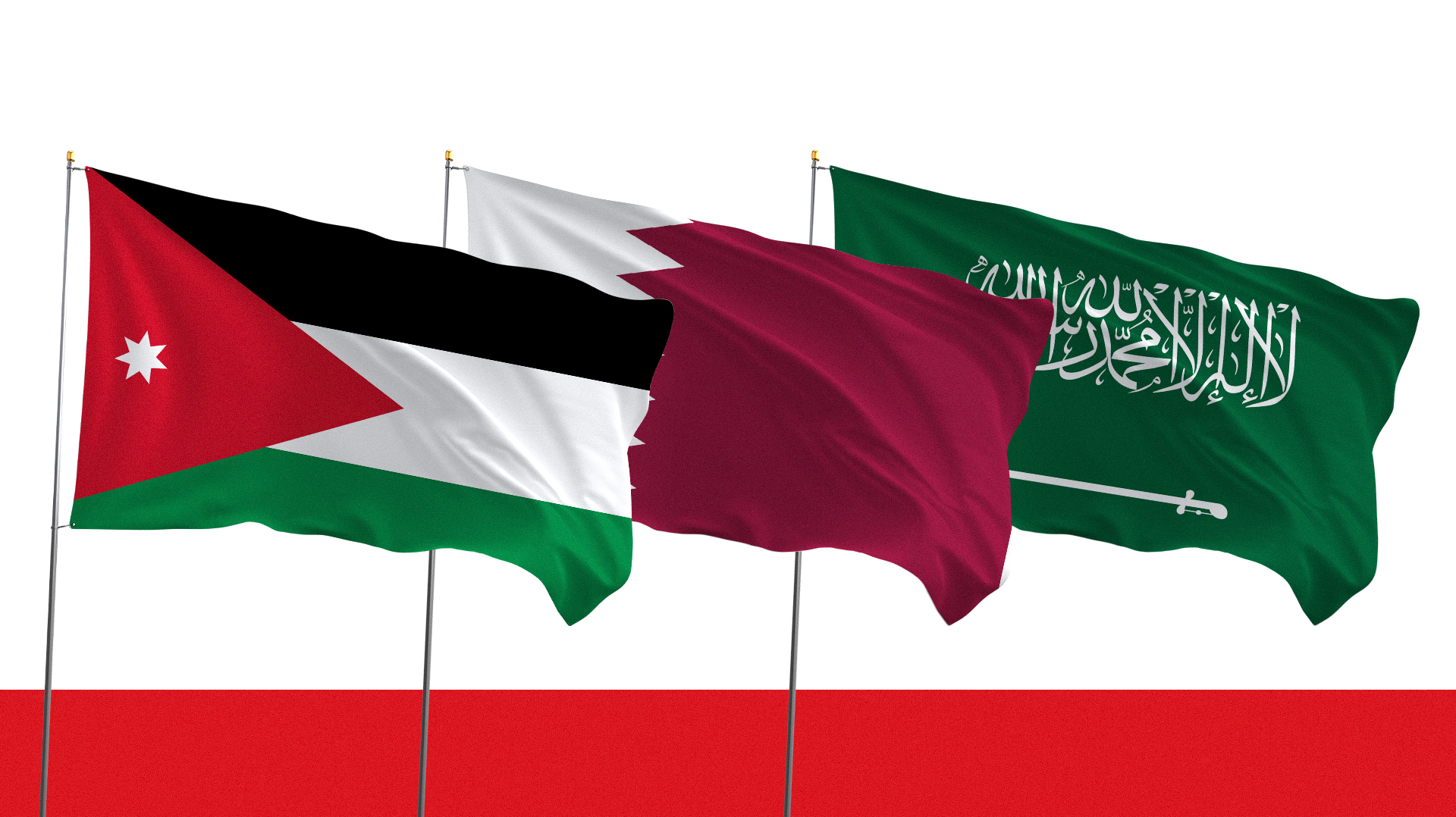
ERBIL (Kurdistan24) – The foreign ministers of Saudi Arabia, Qatar, and Jordan on Sunday underscored the urgent need to de-escalate tensions in the Middle East and reaffirmed their commitment to confronting any threats to regional security amid growing instability.
During separate telephone conversations on Sunday, the three ministers discussed the latest political and security developments, stressing the importance of preventing further military escalation and preserving stability across the region.
The ministers also agreed on the need to ensure freedom of navigation and protect international maritime routes, describing them as critical arteries of the global economy.
In their discussions, they reaffirmed their countries' firm opposition to any actions that could undermine regional security and stability or fuel further unrest.
The consultations come at a particularly volatile moment following the collapse of the ceasefire between Washington and Tehran and renewed attacks on commercial shipping in the Strait of Hormuz and the Arabian Sea, raising concerns over the risk of a broader regional conflict.
Saudi Arabia, Qatar, and Jordan are coordinating diplomatic efforts to help prevent direct confrontation, warning that any escalation could have severe consequences for energy security, Gulf stability, and the wider Middle East. Their talks also align with broader international efforts to revive regional security arrangements and avert further military escalation.
The discussions coincided with a temporary easing of tensions after U.S. President Donald Trump announced he had called off a planned new round of military strikes against Iran. Trump said that any further military action would depend on whether Washington and Tehran could quickly reach a diplomatic agreement.
The announcement followed days of reciprocal military actions, intensive diplomatic contacts among regional leaders, and continued tensions affecting maritime security in the Gulf.