US Plans Largest-Ever Mass Visa Revocation Targeting Up to 200,000 Asylum Seekers
The Trump administration is preparing to revoke B1 and B2 visas held by foreigners who have sought or are seeking asylum, in a move that could affect up to 200,000 people and trigger legal challenges
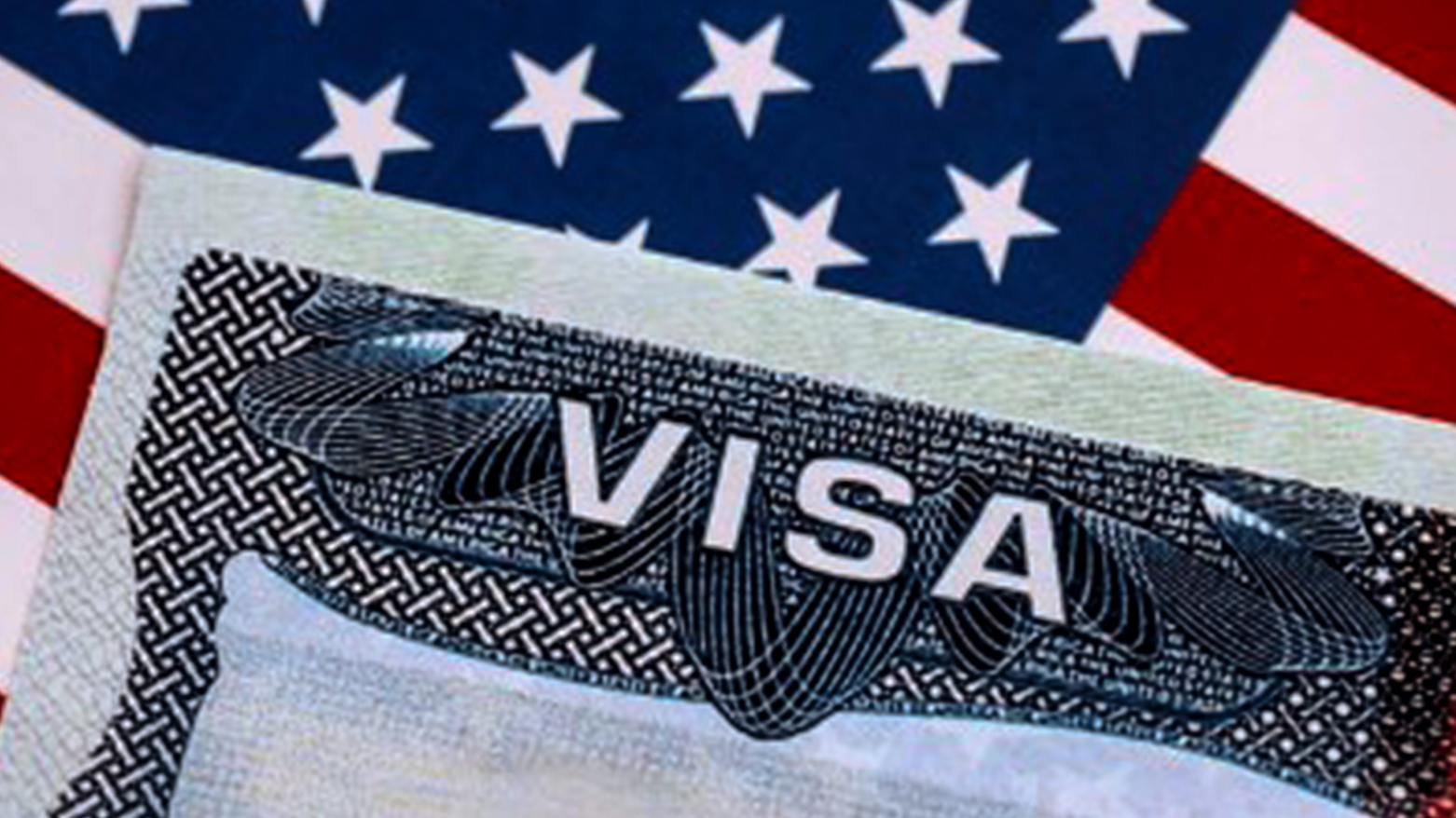
ERBIL (Kurdistan24) — The Trump administration is preparing to revoke the business and tourism visas of as many as 200,000 foreigners who have applied for or are currently seeking asylum in the United States, according to US officials and State Department documents obtained by The Associated Press.
If implemented, the measure would represent the largest single mass revocation of visas in US history and would likely face legal challenges from affected immigrants and advocacy groups.
The State Department is expected to announce the policy in the coming weeks. It would target B1 and B2 visas issued between 2016 and 2026 to people who have sought asylum or are currently pursuing asylum claims, with the department coordinating the process with the Department of Homeland Security.
“We are coordinating with DHS to identify and revoke the nonimmigrant visas of foreigners who have come to the United States claiming to be short-term visitors, but then file for asylum to stay here permanently,” State Department spokesman Tommy Pigott said.
Pigott declined to confirm how many visas could ultimately be revoked, saying the process would be conducted on a rolling basis and that the number would remain dynamic.
The planned revocations would not necessarily lead to immediate deportation. US officials said many people with pending asylum cases would instead be recategorized under their existing immigration circumstances while losing their B1 or B2 visa status.
B1 visas are generally issued for temporary business travel, while B2 visas cover tourism, family visits and certain medical purposes. Applicants are required to demonstrate that they intend to return to their home countries after their authorized stay.
The proposed policy represents another major escalation in the Trump administration's broader immigration crackdown since President Donald Trump returned to office for a second term.
The administration has increased scrutiny of visa applicants, including examination of their social media activity, the use of visa bonds and restrictions on visa issuance to nationals of certain countries.
Deputy Secretary of State Christopher Landau has also publicly criticized foreigners who enter the United States on tourist visas and subsequently apply for asylum.
“People in the US and all over the world are fed up with bogus asylum claims,” Landau said in a post on X. “Asylum isn’t supposed to be a loophole to circumvent immigration law.”
The administration argues that people who enter the United States as temporary visitors but subsequently seek asylum may be misusing a visa category intended for short-term stays.
Immigration advocates, however, are likely to challenge any broad policy that could affect people with legitimate claims for protection.
The planned action comes after the State Department revoked about 175,000 visas during the past 18 months, according to AP.
Those cases involved people convicted or accused of crimes ranging from drunken driving to rape and robbery, as well as individuals who publicly criticized US policies, particularly regarding the Middle East.
The administration has also targeted so-called birth tourism, seeking to prevent foreign nationals from traveling to the United States primarily to give birth and obtain the benefits associated with US birthright citizenship.
Trump's efforts to end birthright citizenship have faced repeated legal challenges and setbacks in the courts.
According to State Department documents obtained by AP, the screening of existing B1 and B2 visa holders began after the department received information from US Citizenship and Immigration Services regarding asylum applications.
The final scope of the visa revocation campaign has not yet been determined. The policy could still be revised before its expected announcement and would likely face legal challenges if implemented on a large scale.
If the administration ultimately moves forward with the estimated 200,000 revocations, the campaign would mark a significant expansion of the Trump administration's effort to reshape the US immigration system by tightening controls not only at the border but also within the country's legal immigration and visa framework.