Iran, Oman Agree on Framework for Temporary Strait of Hormuz Corridor
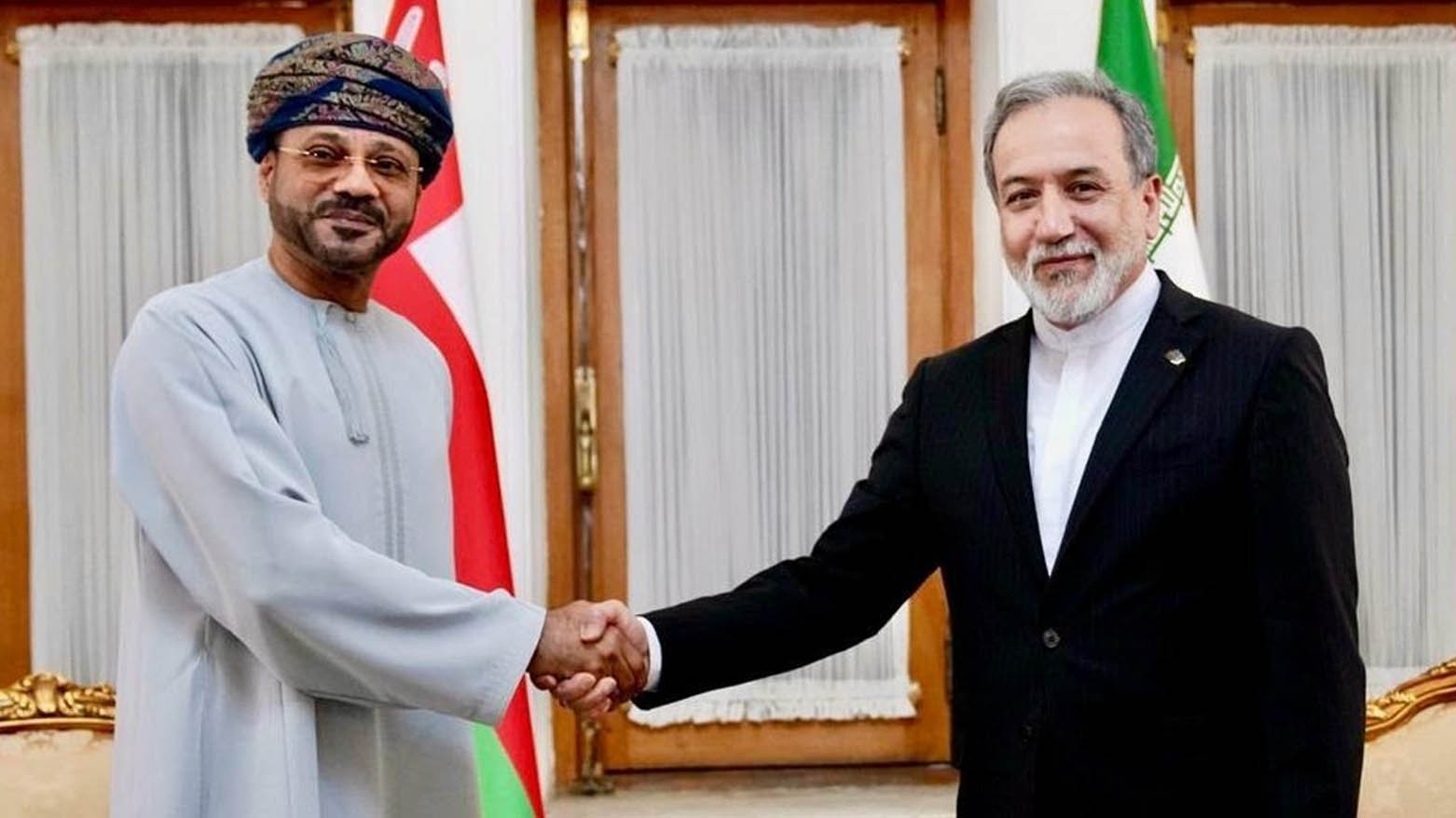
Omani Foreign Minister Badr al-Busaidi and his Iranian counterpart, Abbas Araghchi, discussed a phased framework in Tehran that would provide a “practical and implementable basis” for advancing navigation arrangements.
ERBIL (Kurdistan24) – Iran and Oman agreed Tuesday on a framework for establishing a temporary navigational corridor through the Strait of Hormuz and jointly clearing mines from the strategic waterway, as Tehran and Washington remain at odds over its reopening.
Omani Foreign Minister Badr al-Busaidi and his Iranian counterpart, Abbas Araghchi, discussed a phased framework in Tehran that would provide a “practical and implementable basis” for advancing navigation arrangements, according to a joint statement shared by Oman.
The framework includes the creation of a joint temporary navigational corridor through the Strait and a joint project to clear mines from the waterway, the statement said.
Technical negotiations will continue on establishing a permanent navigational corridor and determining the future administration of the Strait, including mechanisms for information-sharing, traffic management, and the provision of navigational and security services.
Iran and Oman also stressed the importance of holding consultations with other states bordering the Gulf waters.
The announcement came after US President Donald Trump said Tuesday on Truth Social that the US Navy had informed him that “all mines have been removed and/or detonated” in international waters of the Strait of Hormuz.
Trump also warned Iran that any vessel laying new mines would be “immediately and systematically destroyed,” saying a “Zero Tolerance” policy on mine placement was in effect.
The Strait became a major flashpoint after the war between the United States, Israel and Iran began on February 28. Iran subsequently blockaded the waterway, while Washington imposed a naval counter-blockade on Iranian ports.
Maritime traffic through the Strait remains largely paralyzed, disrupting global oil markets. The waterway normally handles roughly one-fifth of global oil and liquefied natural gas exports.
Iran and Oman, both of which border the Strait, have been negotiating navigation arrangements for weeks. Tehran has said the geographical coordinates of a proposed route have already been agreed upon.
Iranian officials have nevertheless maintained that the Strait will not fully reopen until Washington meets Tehran’s demands, including lifting its naval blockade, removing oil sanctions and unfreezing Iranian assets held abroad.