Pezeshkian Says US Turned to Economic Warfare After Military Failure
Iranian President Masoud Pezeshkian said US economic pressure is aimed at forcing Iran to surrender, while Esmail Baghaei condemned Washington’s policies as a threat to national sovereignty and international law.
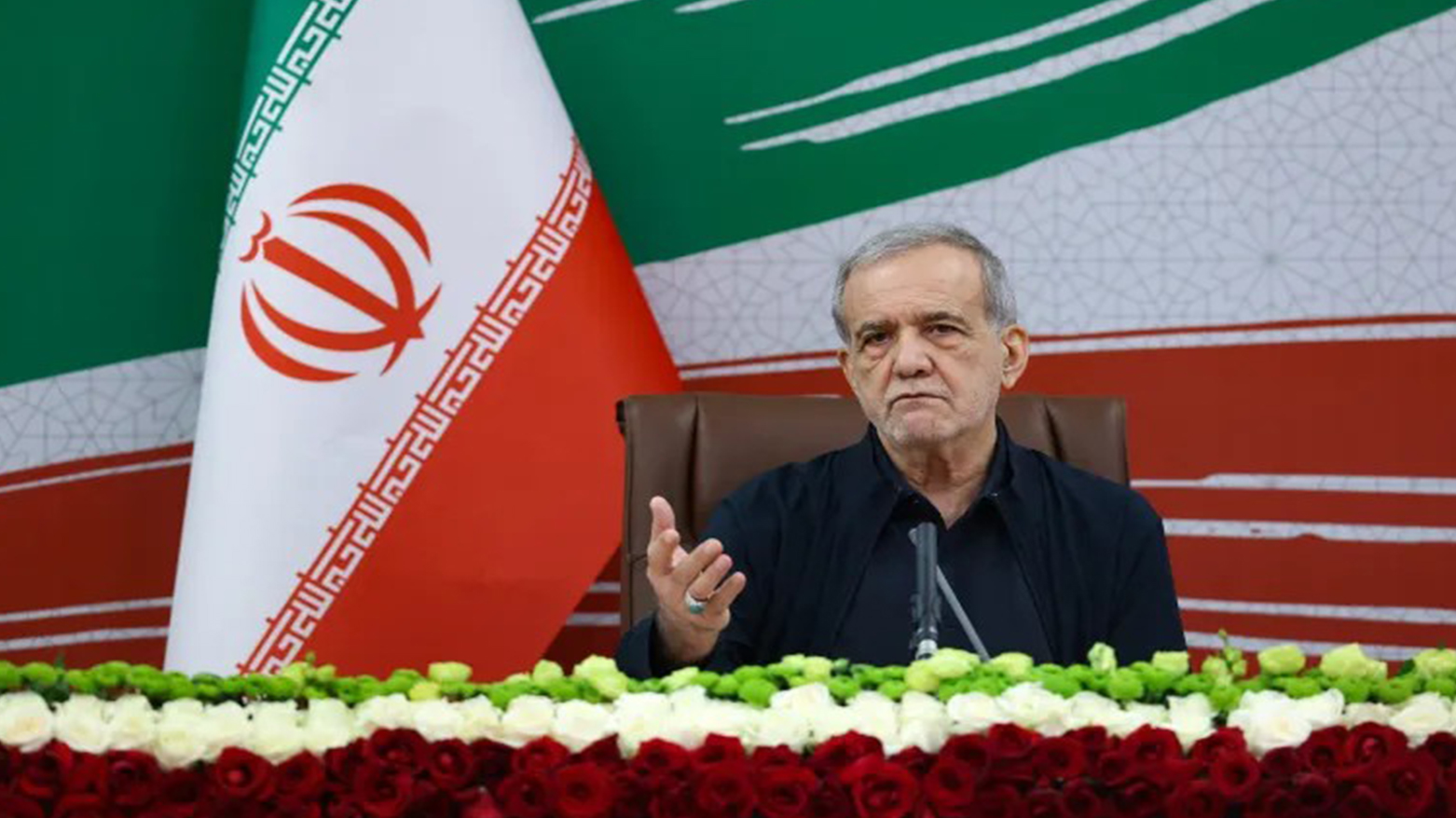
ERBIL (Kurdistan24) - Iranian President Masoud Pezeshkian accused the United States on Tuesday of turning to economic warfare after concluding that it could not control or defeat Iran through military means, as Tehran defended a new memorandum of understanding signed by members of the Supreme National Security Council and the heads of Iran’s three branches of government.
Speaking during a meeting with a group of talented young people on Tuesday, Pezeshkian said unity and cohesion were essential to implementing Iran’s development plans and called for collective efforts to rebuild the country.
Pezeshkian said: “Creating division and discord is among the main objectives of the country’s enemies. The methods of warfare have now changed. The enemies have realized that they cannot control or break the Iranian people through military means, so they have shifted their attention to social issues and economic discontent with the aim of pushing Iran toward chaos.”
Pezeshkian also stressed that his efforts, alongside those of other Iranian government officials, had focused on preserving unity and cohesion.
He said economic pressure was one of the strategies used by the United States and Iran’s enemies to force the country into surrender.
Pezeshkian said the enemies had believed they could bring Iran toward collapse through unrest in January 2026 and a broad multi-day attack, but that social unity had prevented this from happening.
Addressing the signing of the memorandum of understanding between members of the Supreme National Security Council and the heads of the three branches of government, Pezeshkian said the decision had been made unanimously, based on collective wisdom and the protection of national sovereignty and interests.
He rejected the idea that the decision had been driven by fear of any external power, saying those who made it had previously fought wars and stood against the world’s greatest nuclear powers.
Baghaei condemns US economic pressure
Separately, Iranian Foreign Ministry spokesman Esmail Baghaei sharply criticized the US economic campaign against Iran, saying Washington’s actions represented a broader challenge to the sovereignty of states and international law.
In a post on X on Tuesday, Baghaei said: “The United States has announced that the day of Iran’s economic liquidation has arrived. Those who want to surrender unconditionally and submit to this illegal measure may say there is no problem, but stop. In reality, there is a major problem here.”
Baghaei argued that the issue extended beyond Iran when an occupying power tells banks, economic institutions, ports, airports and governments that they must choose between complying with Washington’s demands or facing US retaliation.
He said such circumstances threatened the principles of international law and the United Nations Charter, particularly the equality of states in sovereignty and the right of peoples to determine their own destiny.
“No dignified government that considers its sovereignty and national interests important can accept the normalization of this blatant legal violation by the United States,” Baghaei said.
The Iranian spokesman also referred to Canada, saying it was among the countries that were gradually experiencing the reality of what he described as US self-imposed policies under the cover of negotiations.
Pezeshkian and Baghaei’s statements reflect Tehran’s rejection of US economic pressure, with both officials framing the dispute around national unity, sovereignty and resistance to external pressure.