US Intelligence Warned Trump Killing Khamenei Could Backfire
Wall Street Journal reveals Gabbard delivered a pre-war assessment that assassinating Iran's supreme leader could bring a more extreme government to power and accelerate the pursuit of nuclear weapons, as Vance opposed going to war entirely
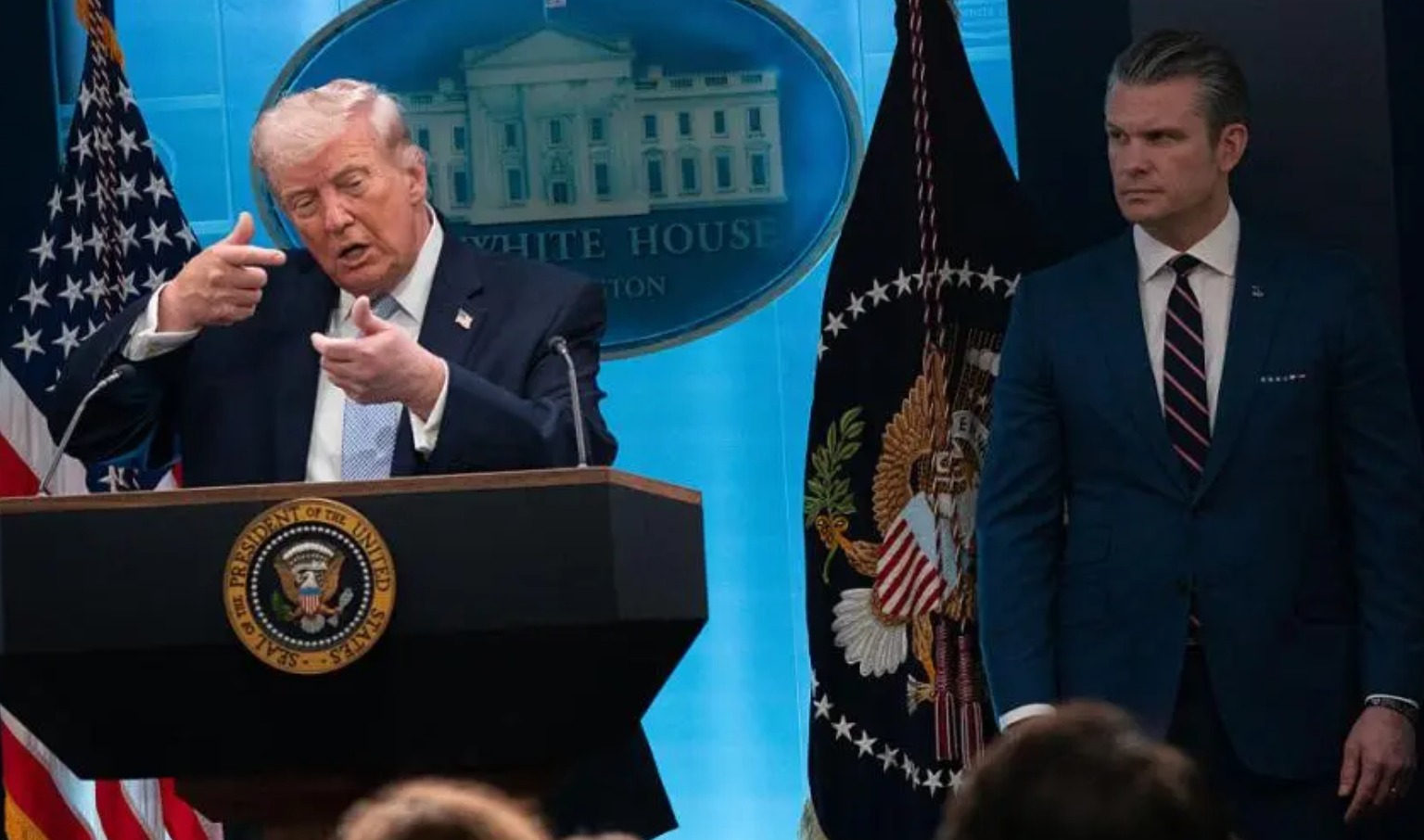
ERBIL (Kurdistan 24) - US intelligence officials warned President Donald Trump shortly before the United States launched its operation against Iran in February 2026 that assassinating Supreme Leader Ali Khamenei could bring a more extreme government to power rather than cause the Iranian government to collapse, the Wall Street Journal reported on Wednesday in a disclosure that sheds new light on the internal debates that preceded one of the most consequential military decisions of Trump's second term.
Then-Director of National Intelligence Tulsi Gabbard delivered the assessment personally to Trump before the conflict began, warning about the potential consequences of killing Khamenei, the Wall Street Journal reported. Intelligence officials assessed that a more radical leadership replacing Khamenei would be more willing to pursue nuclear weapons, precisely the opposite of what the operation was intended to achieve. The briefing also warned that Iran could block the Strait of Hormuz and launch attacks against US troops and American allies in the region, two consequences that have since materialized in full.
Senior Pentagon officials separately raised concerns about potential American casualties and the pressure a conflict would place on US stockpiles of precision-guided munitions, reflecting a military establishment that was more cautious about the operation's costs than the political leadership that ultimately drove the decision to proceed.
Vice President JD Vance opposed going to war and urged a more cautious approach, the Wall Street Journal reported, placing him alongside Gabbard's intelligence assessment in a camp that counseled restraint before the February 28, 2026, strikes that killed Khamenei and began the conflict.
Senior Pentagon officials, however, ultimately persuaded Trump that US military power could prevail, overcoming the reservations of both the intelligence community and the vice president. Prime Minister Benjamin Netanyahu and senior US officials reinforced that case by presenting Trump with a different and more optimistic assessment, telling the president that Iran was weaker than it had been in decades, creating an opportunity to topple the government and strike Tehran's nuclear program before it was too late.
The Wall Street Journal's disclosure lands at a particularly pointed moment. Gabbard's pre-war warning that killing Khamenei could bring a more extreme leadership willing to pursue nuclear weapons now reads as prescient given the subsequent trajectory of the conflict. Iran's Supreme National Security Council Secretary Mohsen Rezaei, one of the IRGC's most hardline figures, was appointed to lead Iran's most powerful security body in the weeks following the MOU's expiry, a move analysts described as signaling Tehran's intention to adopt a tougher posture. Rezaei publicly suggested on Monday that Tehran may need to reconsider its longstanding rejection of nuclear weapons, arguing that US attacks on Iran proved the NPT offers no protection.
The Strait of Hormuz, which Gabbard's briefing warned Iran could block, has been effectively closed to normal commercial traffic since February 28, 2026, the day the war began. The Pentagon's casualty reporting system showed 774 US service members wounded or killed as of August 21, 2026, including 18 killed, with Pentagon officials' pre-war concerns about casualties proving accurate if not fully anticipated in their scale.
The disclosure also reframes the Axios confirmation from Tuesday that the US currently has no plans for new military strikes against Iran and is focused entirely on economic pressure through Operation Economic Outcast. Washington's pivot to economic warfare, after a military campaign that killed Khamenei but produced neither government collapse nor nuclear dismantlement nor a durable Hormuz settlement, tracks closely with the scenario Gabbard's pre-war assessment had implicitly outlined as a risk, one in which the military option produced a harder and more determined adversary rather than a weaker and more compliant one.
The Wall Street Journal reported that efforts to negotiate an end to the war have since reached a stalemate while Iran continues to interfere with shipping through the Strait of Hormuz, a summary that captures the current moment with particular precision six months after the warnings went unheeded.