Qatar FM Visits Tehran as Iran, Oman Seek Way to Ease Strait of Hormuz Tensions
Qatar’s Foreign Ministry said the two diplomats discussed efforts to de-escalate tensions and a proposed framework for the Strait of Hormuz agreed between Iran and Oman.
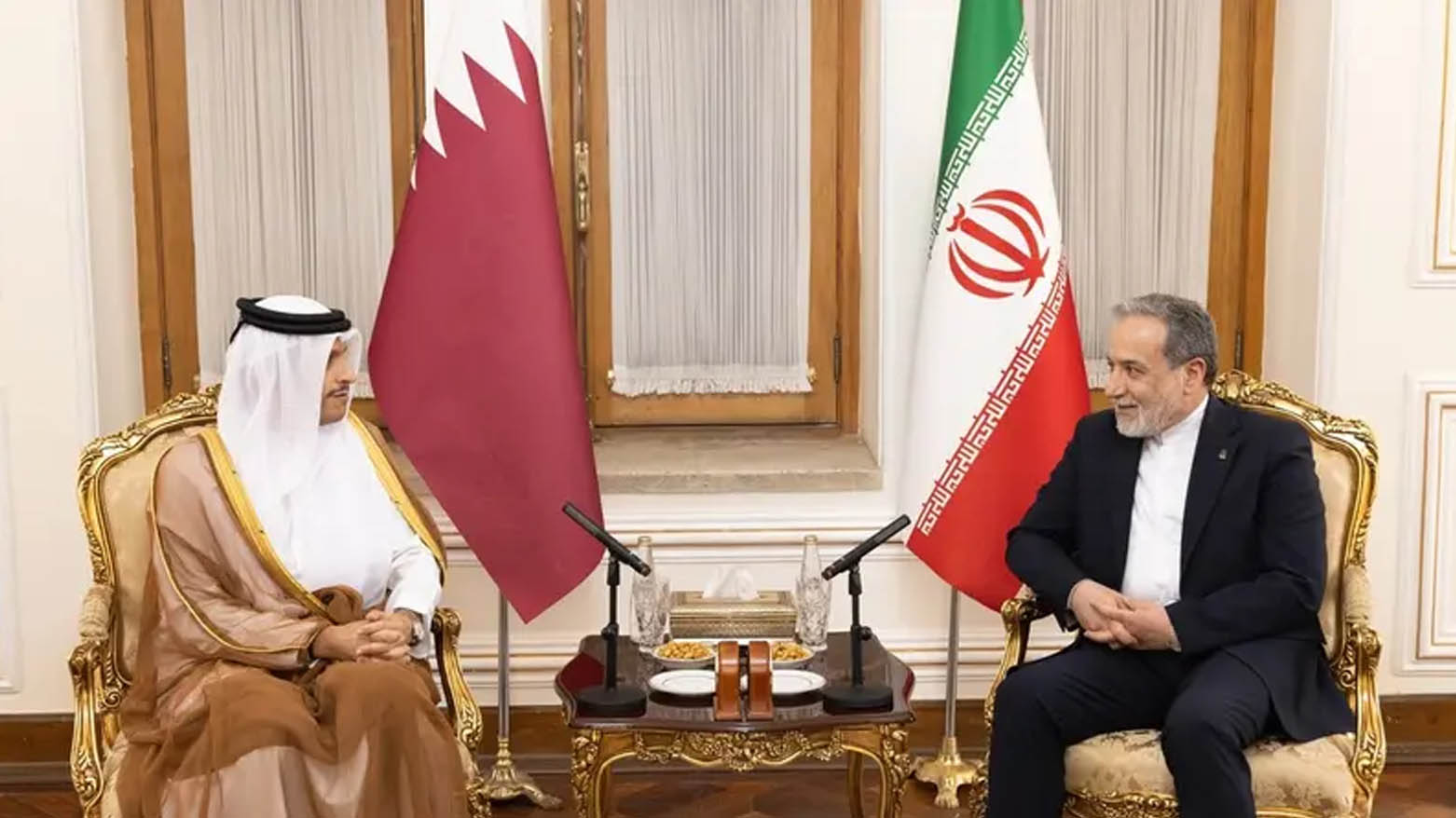
ERBIL (Kurdistan24) – Iranian Foreign Minister Abbas Araghchi met with Qatari Prime Minister and Foreign Minister Sheikh Mohammed bin Abdulrahman Al Thani in Tehran on Thursday as regional diplomacy intensified over the strategic Strait of Hormuz amid a US naval blockade of Iranian ports.
Al Thani’s visit comes after a week of high-level diplomatic efforts in Tehran involving Oman’s foreign minister and senior Pakistani officials, as regional powers seek to end the ongoing conflict and establish arrangements to reopen the vital waterway.
Qatar’s Foreign Ministry said the two diplomats discussed efforts to de-escalate tensions and a proposed framework for the Strait of Hormuz agreed between Iran and Oman.
Al Thani stressed the importance of respecting the sovereignty of neighboring countries and ensuring freedom of navigation, while calling for dialogue, according to the ministry.
Qatar, alongside Pakistan, played a key mediating role in securing an April ceasefire and a June agreement between Iran and the United States. Both arrangements have since collapsed, with hostilities continuing and tensions around Hormuz escalating.
The Strait of Hormuz, through which a significant share of global oil supplies passes, has remained under tight Iranian control since the war with the United States began on February 28. Washington subsequently imposed a naval counter-blockade on Iranian ports.
The standoff has also intensified economic pressure on Iran. The United States has threatened broader secondary sanctions against countries, banks and companies that continue doing business with Tehran as part of its campaign of what it calls “economic asphyxiation.”
Iranian Vice President Mohammad Jafar Ghaempanah said on Wednesday that the US blockade had prevented Iran from importing enough petrol to make up for a shortfall in domestic production.
The latest diplomatic efforts come as Iran and Oman work on a possible temporary arrangement aimed at facilitating navigation through Hormuz and reducing the risk of further escalation in one of the world’s most strategically important energy corridors.