Kurdistan Presidency Backs Kurdish-Language Education in Syria
Dilshad Shahab, spokesperson for the Kurdistan Region Presidency, told Kurdistan24 on Saturday that the newly approved Kurdish-language curriculum represented a positive development and reflected progress in negotiations over the future status of Syria's Kurdish population.
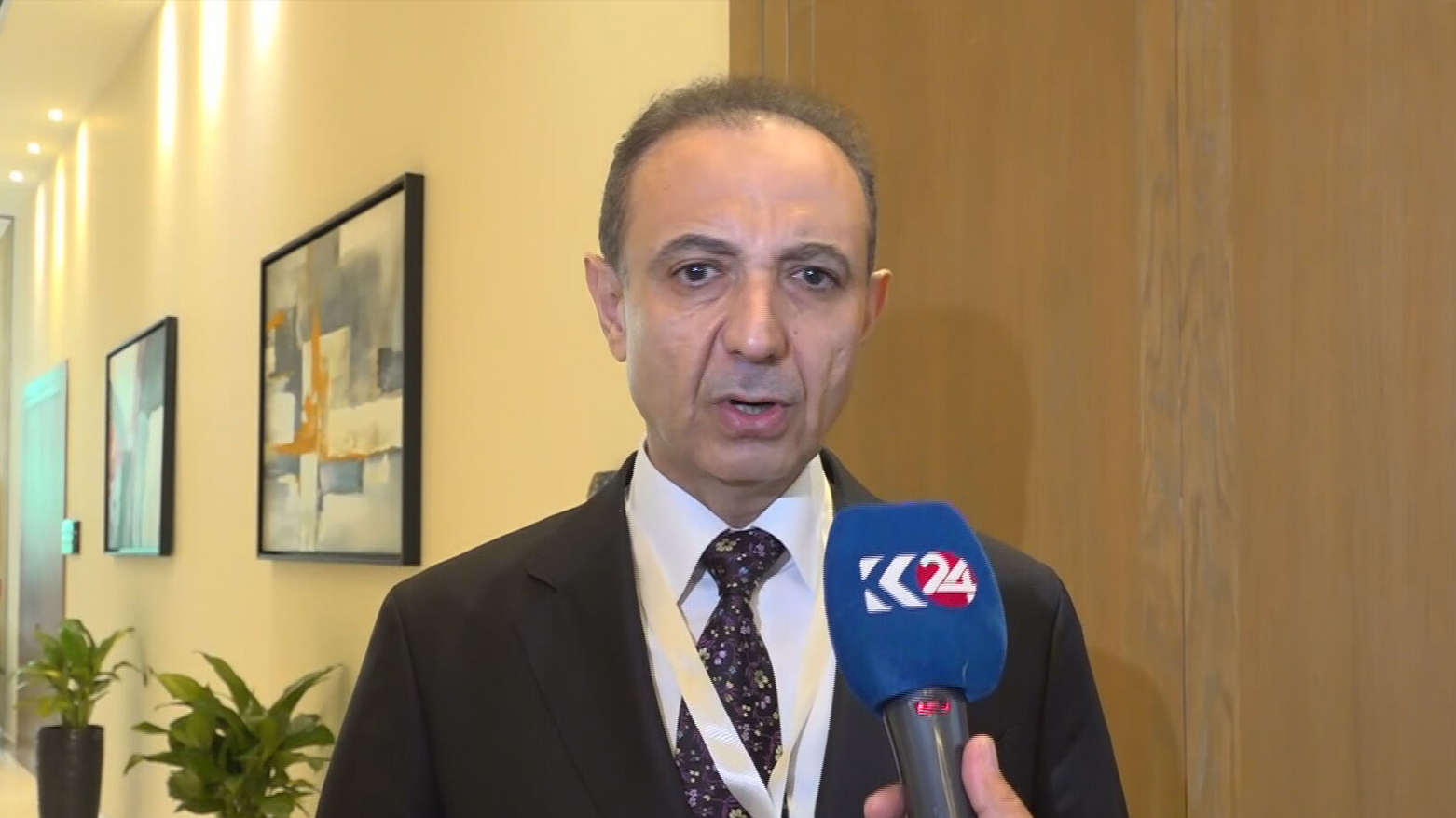
ERBIL (Kurdistan24) - The Kurdistan Region Presidency welcomed Syria's decision to introduce Kurdish-language education in schools as a significant step toward recognizing Kurdish rights, saying Erbil will continue supporting constitutional guarantees for Kurds and all other communities as Syria moves through a major political transition.
Dilshad Shahab, spokesperson for the Kurdistan Region Presidency, told Kurdistan24 on Saturday that the newly approved Kurdish-language curriculum represented a positive development and reflected progress in negotiations over the future status of Syria's Kurdish population.
He said Kurdistan Region President Nechirvan Barzani had consistently emphasized since talks began between the Syrian Democratic Forces and Damascus that Syria's long-term stability would depend on safeguarding the rights of all of the country's communities.
During President Barzani's visit to Damascus, that position was conveyed directly to Syrian President Ahmed al-Sharaa, Shahab said.
Read More: Kurdistan Region President Arrives in Damascus for High-Level Talks With Syrian President
The Syrian leadership responded positively, he added, with Kurdish-language rights among the issues discussed in detail.
"Kurds have now moved from a period of statelessness to a stage in which the rights of a nation are being discussed within the constitution," Shahab said. "This transformation represents substantial progress."
His remarks place the education decision within a broader political process concerning Kurdish participation in the post-Assad Syrian state rather than treating it as an isolated cultural measure.
Kurdish enters official school curriculum
Syria's Ministry of Education formally approved Kurdish as a national language in public and private schools in areas with significant Kurdish populations on Thursday.
Education Minister Mohammad Abdulrahman Tarkou issued Decision No. 2068/943, establishing regulations for Kurdish-language teaching and incorporating it into the official curriculum at all educational levels.
Read More: Syria Approves Kurdish as National Language in Schools
Under the decision, students are to receive an average of three Kurdish-language classes each week alongside Arabic and English.
Kurdish grades will count toward students' overall annual results, while an additional weekly period will be allocated for activities.
During the first year of implementation, students may also study subjects including history, geography, social studies and philosophy in either Kurdish or Arabic as part of the transition.
The National Center for Curriculum Development has been tasked with preparing Kurdish-language textbooks and programs under national educational standards.
Education authorities must also recruit qualified Kurdish-speaking teachers, including from outside the existing public-school staffing structure where necessary.
The policy represents a sharp departure from previous periods in which Kurdish language and cultural expression faced extensive official restrictions in Syria.
Erbil sees constitutional process as central
Shahab said the Kurdistan Region's involvement has focused from the beginning on securing Kurdish rights within a stable Syrian constitutional framework.
Kurdistan Region President Nechirvan Barzani has repeatedly argued that a durable settlement in Syria cannot rest only on military arrangements or relations between Damascus and particular armed groups, but must address the political and cultural status of the country's different communities.
According to Shahab, discussions surrounding Kurdish-language education formed part of that wider engagement.
He said the Kurdistan Region would continue pursuing Kurdish rights while supporting guarantees for Syria's other communities as well.
That framing is important as Damascus seeks to rebuild a unified state after the overthrow of Bashar al-Assad in December 2024 and years of territorial fragmentation.
The new Syrian authorities are simultaneously attempting to consolidate national institutions, reintegrate armed forces and establish a political order capable of accommodating communities that developed separate administrative and security structures during the civil war.
SDF dissolution part of broader agreement
Shahab also addressed the dissolution of the Syrian Democratic Forces, saying the move was part of the agreement reached earlier this year between Kurdish-led authorities and Damascus.
The SDF formally ended its existence as an independent military structure this week after more than a decade as the dominant military force across much of northern and northeastern Syria.
Backed by the United States and the international coalition, the Kurdish-led force played a central role in defeating ISIS's territorial rule in Syria.
Its former commander, Mazloum Abdi, has since been appointed an adviser to President al-Sharaa, marking his transition from military leadership into the new Syrian political structure.
Read More: Mazloum Abdi Shifts from Kurdish Military Leader to Presidential Adviser
Military formations formerly under SDF command have also been moving into Syrian national defense institutions as part of a wider integration process.
For the Kurdistan Region Presidency, Shahab said, such steps are supported insofar as they advance peace, coexistence and stability while safeguarding political rights.
His comments suggest Erbil views military integration and Kurdish constitutional recognition as interconnected elements of the same transition.
Syria's wider reintegration
The developments are unfolding alongside Syria's broader return to regional and international diplomacy.
Earlier this week, Damascus welcomed Washington's decision to remove Syria from the U.S. list of state sponsors of terrorism, describing it as an opportunity to rebuild foreign economic ties and overcome years of international isolation.
Read More: Syria Hails Removal From US Terrorism List as 'Historic' Opportunity
The al-Sharaa government is also deepening relations with neighboring states while attempting to restore central authority over institutions, borders and strategic infrastructure.
For Syrian Kurds, however, the central question remains what political, linguistic and cultural guarantees will endure after the dissolution of independent Kurdish-led military structures.
The education decision provides one early indication of how those rights may be incorporated into state institutions.
By making Kurdish part of the officially approved school curriculum rather than leaving instruction solely to autonomous local structures, Damascus has moved the language question into the framework of national policy.
Shahab presented that shift as evidence that the Kurdish question in Syria is entering a fundamentally different phase.
The Kurdistan Region Presidency, he said, intends to continue supporting that process while emphasizing rights not only for Kurds but for all of Syria's communities.
For Erbil, the measure of Syria's transition will therefore not simply be whether separate armed structures disappear, but whether the political system replacing them provides lasting constitutional recognition, coexistence and institutional protection for the country's diverse population.