Mediators Visit Tehran as U.S.-Iran Diplomacy Remains Stalled
Pakistan, Oman and Qatar have intensified mediation between Iran and the U.S., but disputes over Hormuz, sanctions and the June memorandum continue to block talks.
ERBIL (Kurdistan24) - A concentrated diplomatic effort by Pakistan, Oman and Qatar has brought three senior regional mediators to Tehran within days, but a return to formal negotiations between Iran and the United States remains blocked by fundamental disagreements over the Strait of Hormuz, sanctions, Washington's naval blockade and the future of a June memorandum intended to end the war.
Iran's state-run IRNA reported that Pakistan's army chief, Field Marshal Asim Munir, Omani Foreign Minister Badr bin Hamad al-Busaidi and Qatari Prime Minister and Foreign Minister Mohammed bin Abdulrahman Al Thani visited Tehran on Monday, Tuesday and Thursday, respectively.
The visits represent one of the most intensive rounds of regional diplomacy since the U.S.-Iran conflict began six months ago.
Pakistan and Qatar played central roles in mediation that produced an April 8 ceasefire and subsequently a June 18 memorandum between Tehran and Washington. IRNA refers to that agreement as the Islamabad Memorandum.
Oman, meanwhile, remains the principal interlocutor with Iran over practical arrangements for navigation through the Strait of Hormuz.
Yet the renewed diplomatic activity comes as the two sides appear to be moving further apart in their interpretation of what should happen next.
Iran demands implementation before Hormuz reopening
IRNA's foreign-policy correspondent reported that Iranian officials delivered broadly consistent messages to all three mediators: Tehran wants Washington to return to commitments contained in the June agreement before Iran fully reopens the Strait of Hormuz.
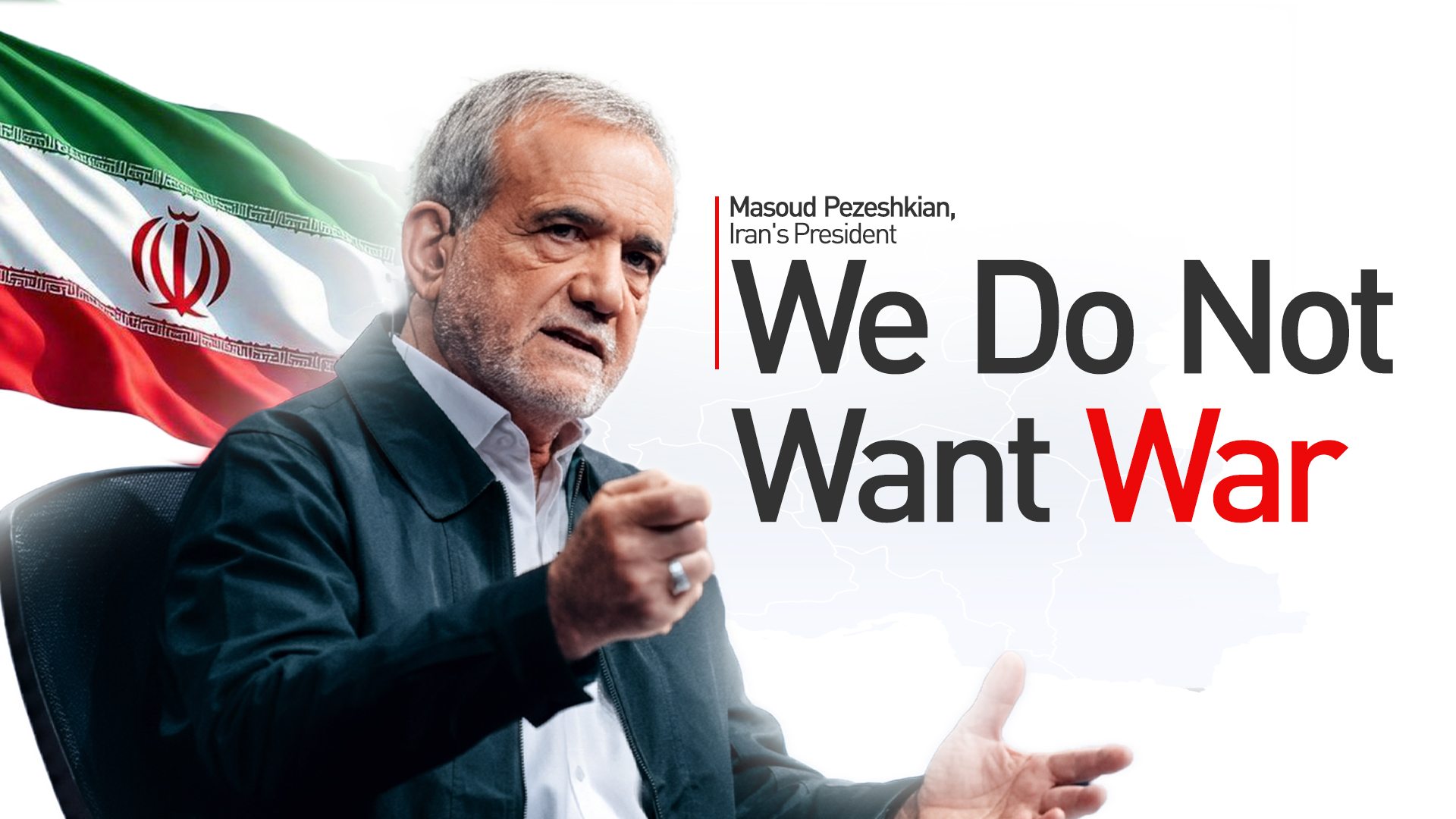
President Masoud Pezeshkian told Qatar's prime minister that implementation of the memorandum should resume and outstanding disputes should be resolved through dialogue.
During his meeting with Munir, Pezeshkian also urged Washington to change what he described as its coercive approach.
Parliament Speaker Mohammad Bagher Ghalibaf and Supreme National Security Council Secretary Mohsen Rezaei delivered similar messages.
Rezaei has said Iran would reopen Hormuz only after the United States takes concrete steps toward satisfying Tehran’s conditions.
According to the Iranian account, those demands extend beyond the strait itself.
Tehran says the memorandum requires a permanent end to hostilities on several regional fronts, the lifting of the U.S. naval blockade on Iran, negotiations over Hormuz’s future management, exemptions allowing Iranian oil and petrochemical exports and the release of frozen Iranian assets abroad.
Iranian officials have also linked their position to ending fighting in Gaza and Lebanon and lifting restrictions affecting Yemen.
Those conditions remain Iranian demands and have not been accepted publicly by Washington.
Oman focuses on a workable shipping arrangement
While Pakistan and Qatar have concentrated on the wider political dispute, Oman's role has increasingly focused on the mechanics of reopening Hormuz.
IRNA reported that al-Busaidi and Iranian Foreign Minister Abbas Araghchi continued negotiations over a phased framework covering navigation through the strait.
The proposed arrangement includes a temporary shipping corridor and joint mine-clearing work, followed by technical talks on a permanent navigation route, traffic management, information sharing and maritime security services.
The talks are significant because Iran and Oman sit on opposite sides of the narrow waterway through which a major share of global petroleum exports historically passed.
But Tehran says even a successful technical agreement with Muscat would not automatically result in full reopening unless its wider political demands toward Washington are addressed.
That position illustrates how the Hormuz dispute has evolved from a maritime-security problem into one of Iran's primary sources of diplomatic leverage.
Washington believes leverage has shifted
The U.S. assessment is markedly different.
Earlier Kurdistan24 report on Friday highlighted that Washington believes months of military operations have significantly weakened Iran's ability to control the strait.
Axios journalist Barak Ravid, citing U.S. officials, reported that American airstrikes, mine-clearing operations, protected shipping routes and the renewed blockade of Iranian ports have steadily eroded Tehran's maritime leverage.
U.S. Central Command commander Adm. Brad Cooper has said internationally recognized shipping lanes are now free of Iranian sea mines.
President Donald Trump has also publicly claimed that the strait is open.
Commercial traffic, however, remains substantially below prewar levels, and independent tanker trackers have questioned some U.S. estimates of the number of vessels and volume of oil currently moving through the passage.
Ships also continue to face occasional security threats.
The disagreement is therefore not only political but factual: Washington argues that it can increasingly restore navigation without conceding to Tehran, while Iran maintains that sustainable reopening requires an agreement addressing its broader conditions.
Economic pressure adds another obstacle
The diplomatic push also coincides with a renewed U.S. economic campaign against Iran.
Washington has announced additional sanctions and what it calls "Operation Economic Outcast," aimed at further isolating Tehran commercially.
IRNA portrays the latest pressure measures as evidence that Washington is moving away from the June understanding rather than toward diplomacy.
That reflects the Iranian government's interpretation and should be distinguished from Washington's position.
The Trump administration has argued that military, maritime and economic pressure is giving the United States greater bargaining power and could eventually force Iran to accept different terms.
Associated Press reporter Aamer Madhani has documented the administration's shift toward economic warfare as the conflict has extended far beyond the short campaign Trump initially predicted.
The United States is also seeking to restrict Iranian oil revenue while facilitating greater exports from other Gulf states through protected routes.
Mediators searching for a new formula
Iran nonetheless continues to signal that diplomacy remains possible.
Araghchi said Friday that returning to negotiations was not impossible but argued that Washington would first need to rebuild trust and honor previous commitments.
Qatar appears to be exploring alternative formulas capable of bridging the widening gap, while Pakistan has continued high-level political mediation.
The difficulty is that the June agreement no longer appears to mean the same thing to both parties.
Iran treats it as the existing foundation for restoring negotiations.
Washington increasingly appears to view the military and economic situation as having changed sufficiently that any future agreement should be negotiated on new terms.
That leaves regional mediators facing a structural problem: Tehran wants implementation before reopening Hormuz, while Washington believes partial reopening and pressure have reduced the need to return to the previous framework.
IRNA concluded that the principal obstacle to diplomacy lies in Washington. That assessment reflects the Iranian state media and government position rather than an independently established judgment.
What is clearer is that the three mediation missions have not yet bridged the central divide.
Six months into the conflict, Hormuz is no longer simply one issue in U.S.-Iran negotiations. It has become the principal arena through which both sides are attempting to convert military and economic leverage into diplomatic advantage.
Until Washington and Tehran agree on whether the June memorandum remains the starting point—or whether an entirely new framework is required—the latest mediation drive may keep diplomatic channels open without producing the political breakthrough needed to end the conflict.