Euphrates Inflows to Iraq Quadruple as Water Levels Rise Upstream
Iraq says Euphrates inflows from Syria have risen to 680 cubic meters per second, more than four times last year's level, providing relief but not ending water shortages.
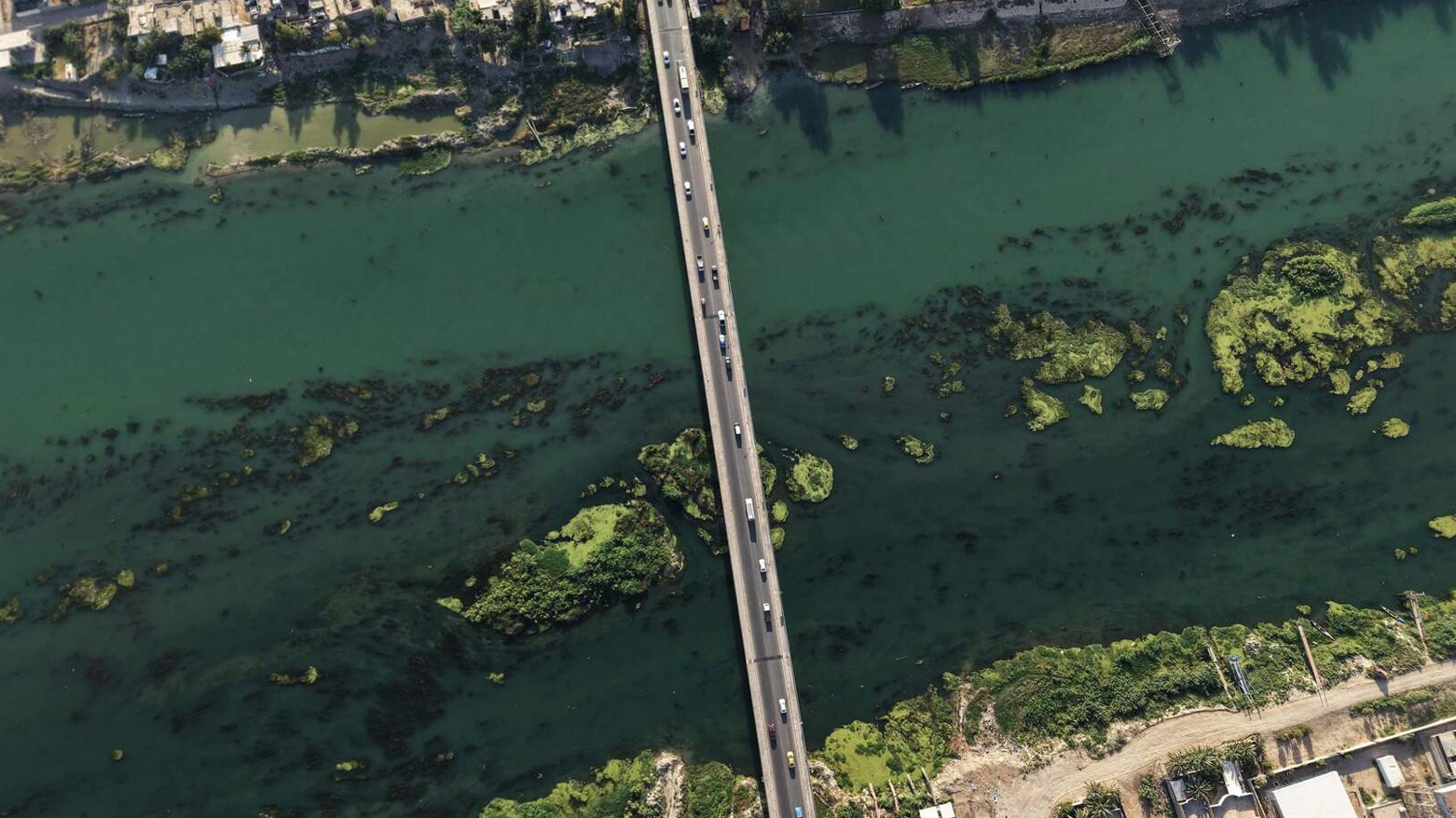
ERBIL (Kurdistan24) - Water flowing into Iraq from Syria through the Euphrates River has risen more than fourfold compared with the same period last year, providing badly needed relief for drinking-water supplies and agriculture but falling short of resolving Iraq's wider water crisis.
Khalid Shamal, spokesperson for Iraq's Ministry of Water Resources, said Sunday that inflows through the Euphrates basin had reached approximately 680 cubic meters per second, compared with just 151 cubic meters per second during the corresponding period in 2025.
The increase represents a major improvement after prolonged low-water conditions placed growing pressure on reservoirs, farms and communities across central and southern Iraq.
Shamal said around 500 cubic meters per second of the incoming water is being released from Haditha Dam toward the governorates of the Middle Euphrates, while the remaining 180 cubic meters per second is being retained in the reservoir.
Water stored behind Haditha Dam has now reached approximately 4.8 billion cubic meters, according to ministry figures, while the reservoir still has capacity for another 3.4 billion cubic meters.
Three factors shape Iraq's Euphrates supply
The ministry said Euphrates inflows into Iraq are determined largely by conditions and decisions outside the country.
Shamal identified three principal factors: rainfall and broader weather conditions in Türkiye and Syria, Türkiye's management of upstream water resources, and Syria's own water-management and distribution policies.
Those variables make Iraq particularly vulnerable to fluctuations in releases from upstream states.
Shamal said Iraq, Türkiye and Syria share an understanding that flows crossing the Türkiye-Syria border should not fall below 500 cubic meters per second.
Under that arrangement, 58% of the volume is allocated to Iraq and 42% to Syria, he said.
The latest increase has therefore come amid continuing regional efforts to coordinate water releases as Iraq struggles with years of declining rainfall, drought and pressure on the Tigris and Euphrates systems.
Higher flows also raise concern in Syria
The stronger Euphrates flow has already had visible effects upstream.
Syria's state news agency SANA reported on Aug. 22 that the Syrian Ministry of Emergency and Disaster Management had warned residents of Raqqa and Deir Ezzor to remain cautious because of rising water levels along the Euphrates.
The ministry urged people living near the river and in low-lying areas to avoid the banks and move vulnerable agricultural equipment and supplies to higher ground.
Syria's Agriculture Ministry issued similar instructions to farmers, including warnings to protect fish farms, machinery and agricultural installations located close to the river.
The Syrian authorities attributed the higher levels to increased inflows arriving from the Turkish side.
The warnings illustrate the challenge facing governments along the Euphrates: higher releases can bring significant relief after prolonged shortages, but sudden increases must also be carefully managed to reduce the risk of flooding and damage downstream.
Relief, but not a full recovery
For Iraq, the increased flow is particularly important after years of mounting concern over declining water reserves.
The Ministry of Water Resources said the additional water would help support drinking-water requirements and strengthen agricultural plans.
But officials cautioned that the improvement should not be interpreted as a return to normal water conditions.
Shamal said the present inflows remain insufficient to refill Lake Habbaniyah, one of Iraq's important water-storage bodies.
That limitation underscores the scale of the accumulated deficit after repeated dry seasons and reduced river flows.
Iraq's dependence on upstream releases has long made water-sharing arrangements with Türkiye and Syria a central issue in Baghdad's regional diplomacy.
Periods of drought, rising temperatures and dam construction have all placed additional pressure on the country's available water.
As a result, even a fourfold increase over last year's flow does not necessarily mean Iraq has escaped its broader structural water shortage.
Haditha Dam becomes key buffer
The decision to retain part of the current inflow at Haditha Dam reflects the government's effort to balance immediate demand with longer-term storage needs.
By releasing 500 cubic meters per second downstream while keeping roughly 180 cubic meters per second in the reservoir, authorities are attempting to support current consumption while rebuilding strategic reserves.
That balance will become increasingly important if upstream flows decline again later in the year.
For now, the sharp rise in Euphrates inflows gives Iraq additional room to manage drinking-water and agricultural requirements after an exceptionally difficult period.
But ministry officials remain cautious.
The improvement depends heavily on continued releases and favorable conditions in Türkiye and Syria, while Iraq's depleted lakes and reservoirs require far more water before they return to healthier levels.
The latest figures therefore represent significant relief rather than a permanent solution: the Euphrates is carrying substantially more water into Iraq than it did a year ago, but the country's long-term water security remains tied to sustained regional cooperation and careful domestic management.