Merz: Energy Prices Will Not Stabilize Until Iran War Ends
Germany’s chancellor says ending the Iran war and reopening the Strait of Hormuz are the fastest ways to reduce oil and energy prices.
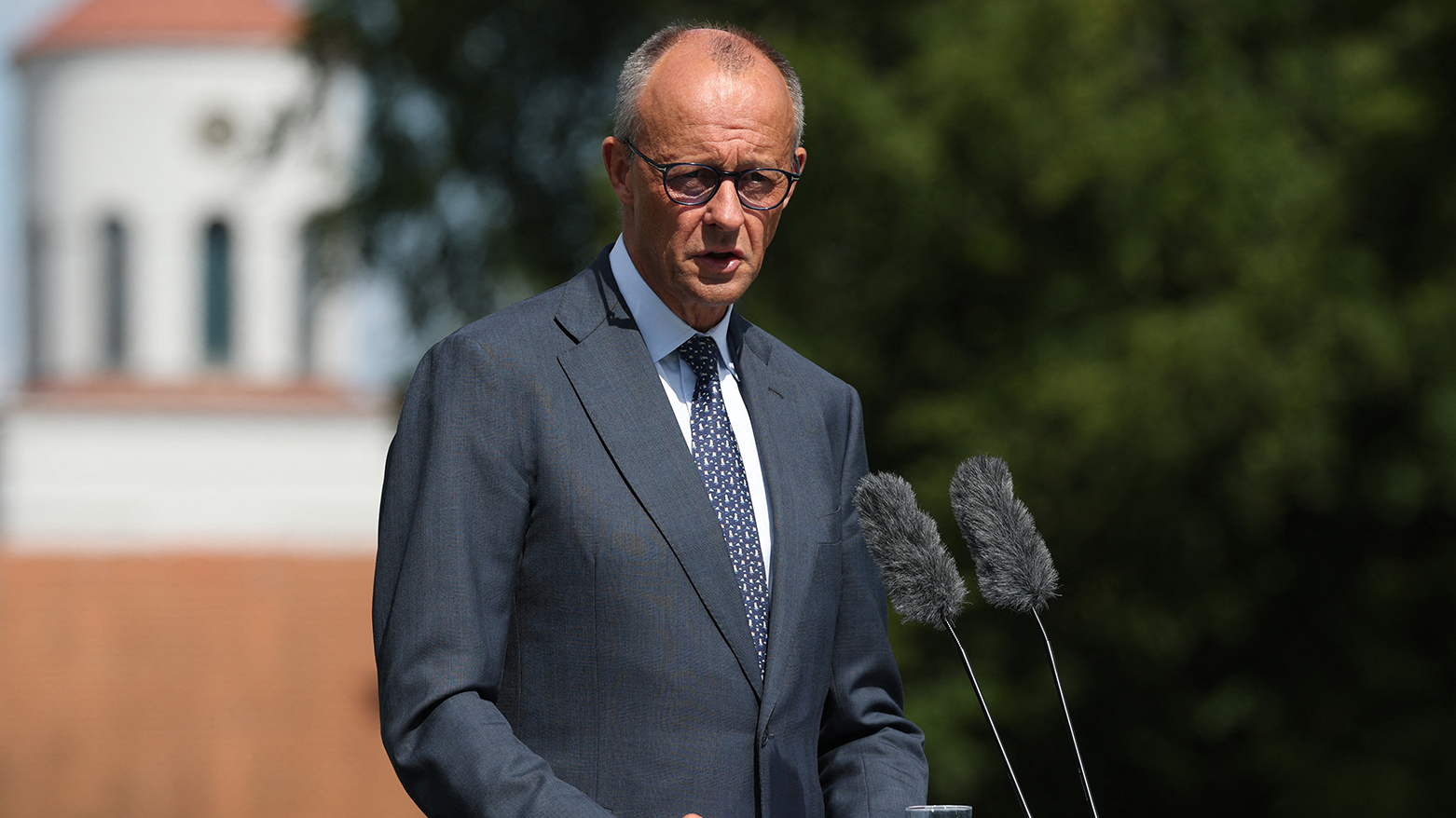
ERBIL (Kurdistan24) - German Chancellor Friedrich Merz said on Sunday that energy prices in Germany and global markets cannot stabilize until the war in Iran ends and shipping through the Strait of Hormuz resumes, while stressing that Berlin will maintain its defense spending and strengthen NATO capabilities.
Speaking in an interview with German television channel ZDF, Merz addressed questions about the energy crisis and rising fuel prices, saying the government could not permanently reduce the impact of $100-a-barrel oil through financial support and that politicians needed to be honest with citizens.
Merz said Berlin, together with its European partners, had intensified efforts to help halt the war in Iran and reopen the Strait of Hormuz. He said the return of shipping through the waterway would immediately lead to a significant decline in fuel and gas prices in Germany.
On domestic energy policy, Merz criticized previous decisions to shut down nuclear power plants before alternative sources had been established.
He said the current ways to reduce energy costs include expanding electricity generation sources, reducing bureaucracy and lowering taxes on industrial companies.
On military and security issues, the German chancellor called for addressing shortcomings in the country’s armed forces accumulated over the past 15 years, saying this was necessary to ensure Germany could defend its territory and protect peace in Europe.
Regarding NATO’s goal of increasing military spending to five percent of gross domestic product, Merz said the issue depended on the level of security threats.
Under the decision of the Hague summit, Germany is committed to allocating 3.5 percent of GDP to its military budget and 1.5 percent to defense infrastructure. Merz stressed that there are currently no signs that security threats to the European continent are declining.
Merz also discussed long-term reforms to Germany’s pension system and immigration policy.
He said some of the necessary reforms might initially face public opposition, but described his primary responsibility as leading Germany toward a stable, peaceful and free future so that coming generations could have the same opportunities and prosperity in the country.