Syria Rejects Female Kurdish YPJ Fighters From Its Army
Damascus draws a firm line on integrating the all-female Kurdish force into the Syrian national army, in a decision that complicates the broader SDF integration process and raises questions about Kurdish women fighters' futures
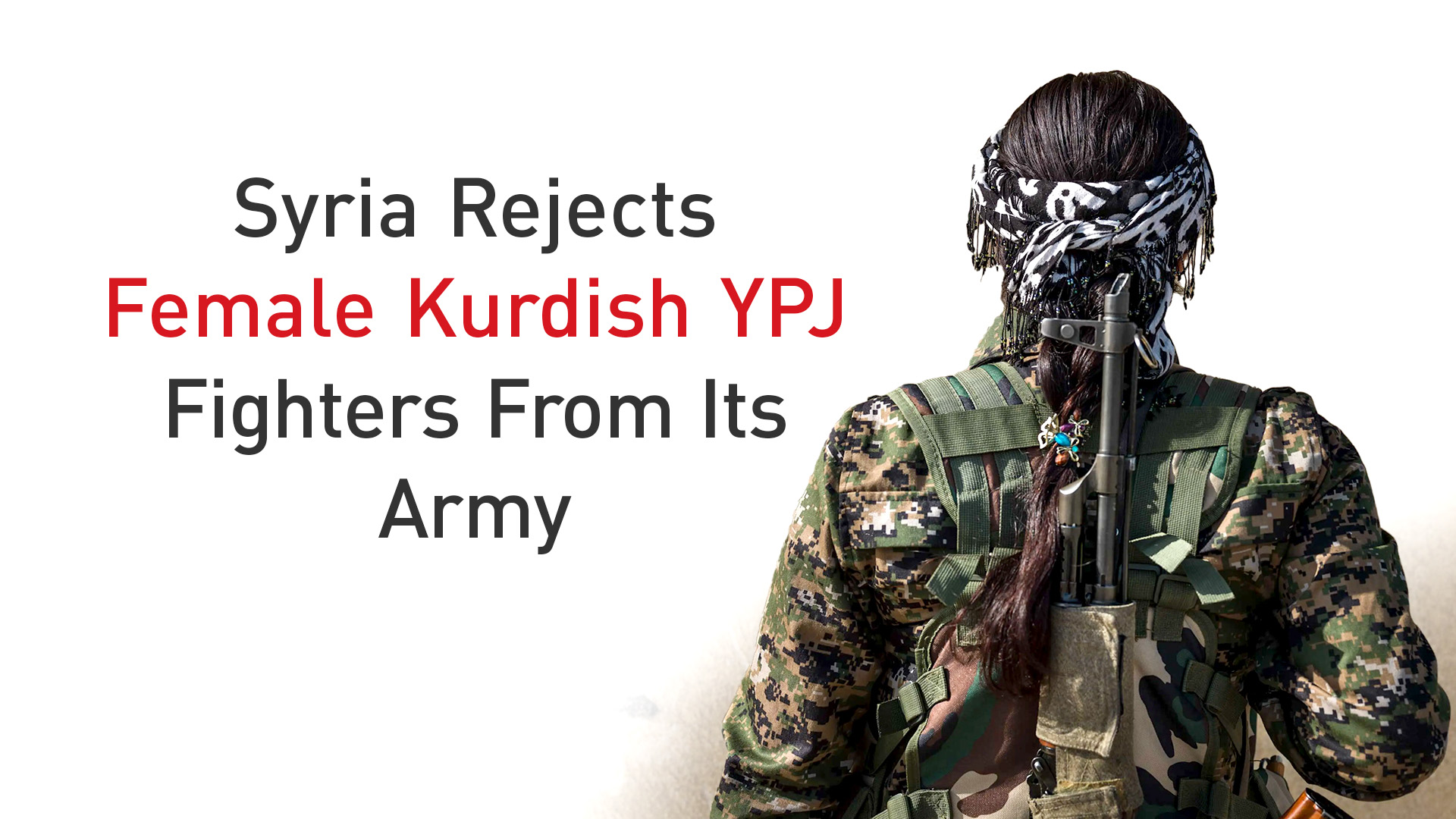
ERBIL (Kurdistan 24) - Syria's military leadership has formally rejected the integration of the Women's Protection Units, known as the YPJ, into the Syrian national army, instead pushing to disarm the all-female Kurdish fighting force and transition its approximately 2,500 members into civilian roles, leaving the women who played a decisive role in defeating ISIS in a deeply uncertain institutional limbo even as the broader SDF dissolution process reaches its conclusion.
Damascus rejected the YPJ's demand to join the Defense Ministry as an intact military formation, arguing that the Syrian army does not include female combat units. YPJ leaders, however, have resisted individual integration and insist that their fighters retain a distinct organizational identity and command structure.
The Syrian government's position was stated by Ahmad al-Hilali, spokesman for the presidential team overseeing the deal, who affirmed in a press statement that the Syrian army has no female combat component, and women may join a women's police force under the Interior Ministry.
The Force That Defeated ISIS
The first YPJ battalion was founded in 2013 in Afrin, northwestern Syria. Today the YPJ has approximately 2,000 to 2,500 members. The group professes a commitment to women's freedom as well as Kurdish rights. The force played a central role in the liberation of Kobani from ISIS in early 2015 with the backing of the US-led Global Coalition to Defeat ISIS, and its fighters served alongside male SDF units across the entire anti-ISIS campaign in northeastern Syria.
Throughout the Syrian conflict, Kurdish female fighters, currently numbering around 2,500, played a central role in the battle against extremist groups. Damascus refuses to allow the integration of female Kurdish fighters into the Syrian military, even on an individual basis, despite accepting male members of the Syrian Democratic Forces under such arrangements.
The Compromise on the Table and the Rejection It Faces
In May, Damascus proposed dispersing YPJ personnel among civilian institutions, including Tourism Police and immigration and passport services, which YPJ commanders rejected. The two sides are now considering a compromise under which approximately 2,000 YPJ personnel would be integrated into civilian institutions.
Syria's international partners have suggested a compromise under which YPJ fighters would be integrated under the Ministry of Interior. "In recent weeks, we have engaged and met with US officials, especially Ambassador Tom Barrack's team. Their approach is that, to protect the existence and experience of the YPJ and respect certain sensibilities in Syria and in the army, the YPJ could be organized as a group within the internal security forces," YPJ commander Rohilat Afrin said.
But the YPJ's own leadership has made clear this falls short of what they consider acceptable. YPJ general commander Rohilat Afrin told Shafaq News that the YPJ's continued existence as a military body, not its dissolution into a police auxiliary, "is the only credible protection for those rights," arguing that one of the force's foremost demands is ensuring women's rights are enshrined in Syria's constitution.
SDF Dissolution and What It Means for Kurdish Women
SDF Commander Mazloum Abdi announced on August 25 the dissolution of his forces following their full merger into Syrian state institutions, including both military and civilian bodies. The announcement came after months of negotiations and the integration of SDF forces into several brigades within the Syrian Arab Army under a January 29 agreement.
Damascus also absorbed the SDF-affiliated Internal Security Forces, commonly known as the Asayish, into the Syrian Ministry of Interior. The process opened with the submission of a list of approximately 9,000 Asayish personnel for potential incorporation into the ministry. The YPJ's exclusion from the military track while male SDF fighters integrated into new Syrian Army brigades represents a direct gender disparity at the heart of Syria's post-Assad military reconstruction.
Speaking to the Kurdish Peace Institute on June 16, 2026, Rohilat Afrin warned that women are not being "seen, formally accepted, or included" by Damascus as the integration of the northeast progresses.
Syrian Kurdish leaders wanted female YPJ fighters to be allowed to integrate into the four new brigades created for former SDF members under the terms of the January 29 integration agreement. So far, the Syrian Transitional Government has rejected this demand. YPJ integration is a high priority for Kurdish negotiators and the communities they represent alike. Allowing Kurdish women to integrate into the armed forces would promote equal citizenship and represent a step towards a military that represents all Syrians. It would also allow Damascus to benefit from the international partnerships and experience that the YPJ gathered over years of collaboration with the US-led Global Coalition to Defeat ISIS.
The resolution of the YPJ file, or the failure to find one, will serve as one of the clearest indicators of whether Syria's new government is willing to enshrine the gender equality principles that the Autonomous Administration of North and East Syria championed during its decade of governance in northeastern Syria, or whether the post-Assad transition will roll back those gains in the name of a military and social conservatism that leaves the women who fought ISIS without an institutional home.