Iraqis Demand Electricity Ministry Be Renamed Over Chronic Power Cuts
Iraqis are criticizing the federal Electricity Ministry as one resident said the ministry should instead be called the "Ministry of Generators," arguing that generator electricity is now the only dependable source of power for many families.
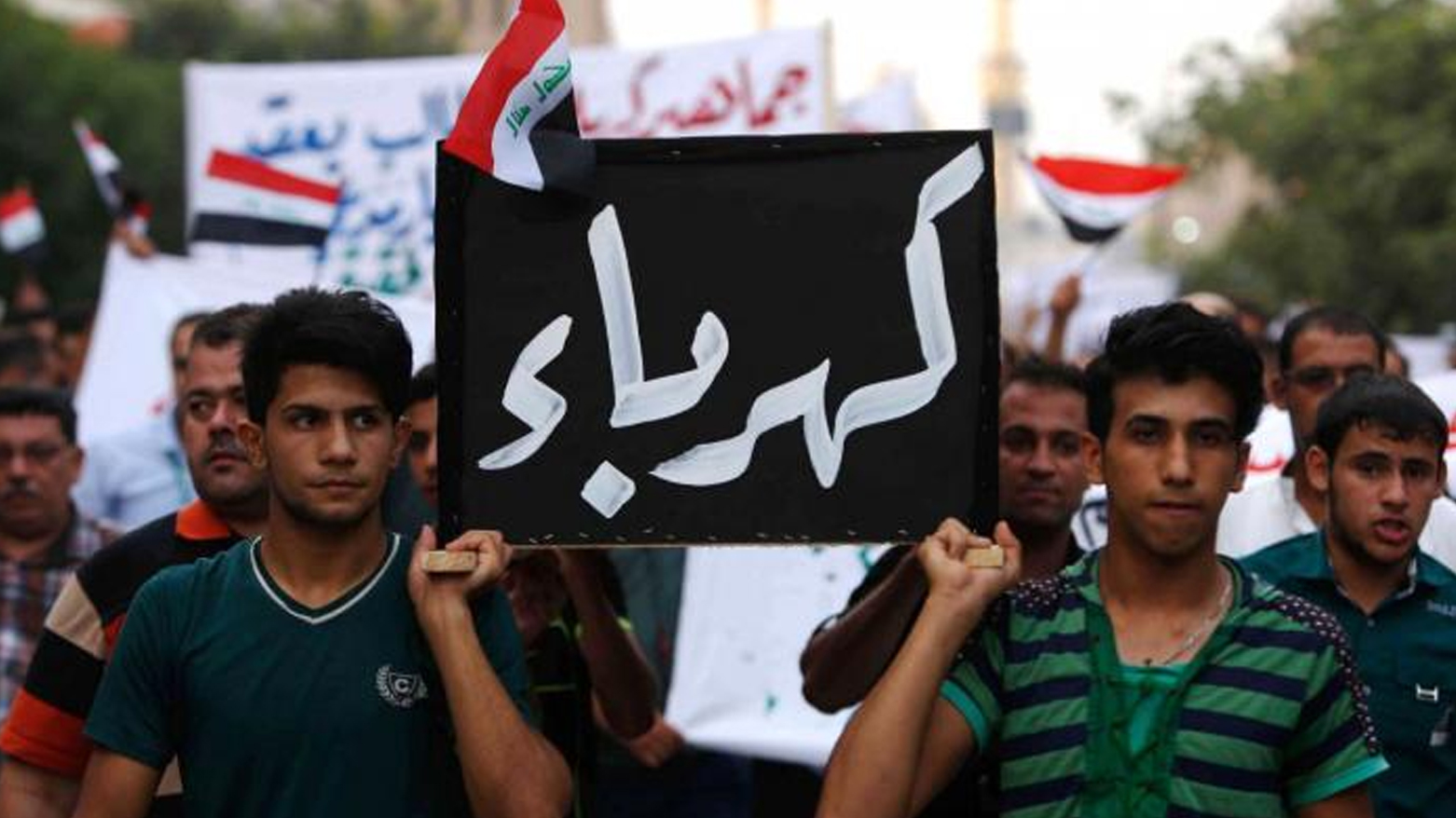
ERBIL (Kurdistan24) - Iraqis are venting renewed anger at the country's chronic electricity crisis as temperatures rise above 50 degrees Celsius, with some residents sarcastically demanding that the Electricity Ministry be renamed because reliable power from the national grid has become, in their words, "a dream."
Speaking to Kurdistan24, residents criticized both the federal government and the federal Electricity Ministry over frequent outages, unstable voltage and their growing dependence on private generators.
One resident said the ministry should instead be called the "Ministry of Generators," arguing that generator electricity is now the only dependable source of power for many families.
"We get just one hour of electricity from the national grid every four hours," the resident said, adding that repeated interruptions had damaged household appliances, including freezers and televisions.
The complaints highlight a problem that has persisted for years despite successive governments spending heavily on the electricity sector.
Generator fees add to public frustration
Residents also complained about private generator prices, saying official rates set by local authorities are frequently ignored.
One Baghdad resident told Kurdistan24 that provincial authorities had set the price at 8,000 Iraqi dinars per ampere, while some generator owners were charging between 10,000 and 15,000 dinars.
The resident blamed weak enforcement and years of corruption and poor administration for allowing such practices to continue.
Another citizen said families had become caught between government authorities and generator operators.
"Late at night, the generator owners reached an agreement and cut off the electricity," the resident said. "Their dispute is with the government—why should Iraqi families pay the price?"
Others, however, defended generator operators, arguing that government fuel shortages were contributing to the shutdowns.
One resident said diesel had not been supplied to generators for about a week, leaving owners unable to continue operating normally.
"In this heat, we have sick people, older people and children," the resident said, asking who would be responsible if power shortages endangered their lives.
Demand more than double generation
The scale of Iraq's electricity gap remains substantial.
Electricity Ministry spokesman Ahmed Turki Jiyad has said national generation reached around 25,000 megawatts, while summer demand is estimated at between 55,000 and 60,000 megawatts.
Based on those figures, the national system is able to meet only around 40% to 45% of peak demand.
That shortfall helps explain why private neighborhood generators remain deeply embedded in daily life across Iraq, particularly during the hottest months.
Even when generation is available, technical losses further reduce the amount of electricity that reaches consumers.
Technical reports cited in the source material estimate that more than 55% of generated electricity can be lost through transmission and distribution because of aging infrastructure, inefficient networks and illegal connections.
Billions spent, shortages remain
Since 2003, Iraq is estimated to have spent around $80 billion on the electricity sector, yet the country has still not achieved reliable round-the-clock supply.
The source material attributes that failure to a combination of corruption, weak management, outdated infrastructure and poor long-term planning.
The electricity crisis has become one of the clearest symbols of public dissatisfaction with state services in Iraq.
For many Iraqis, the frustration is sharpened by the contrast between the country's enormous oil wealth and the repeated inability of governments to provide stable electricity.
Iraq's dependence on imported Iranian gas has also left the power system vulnerable to external disruptions.
According to the figures cited in the report, Iranian gas plays a major role in operating a large share of Iraq's power stations, meaning interruptions in supply can quickly reduce national generation.
Regional connections offer only partial relief
Baghdad has sought alternatives, including electricity interconnection projects with Gulf states and Saudi Arabia.
Planned imports of around 1,000 to 2,000 megawatts could provide additional supply, but that amount would still cover only a small portion of Iraq's peak shortfall.
Even if those projects are completed, they would not by themselves resolve underlying problems involving grid losses, inefficient distribution and growing demand.
For residents enduring extreme summer temperatures, however, the debate is less about long-term strategy than immediate survival.
The latest complaints show how electricity shortages have become intertwined with household costs, health concerns and distrust in public institutions.
For many Iraqis speaking to Kurdistan24, the central question is no longer simply when electricity will improve, but why, after decades of spending and repeated promises, reliable power remains beyond reach.