Israel Warns Iran: Attack During Jewish Holidays and Face Unprecedented Response
Katz says Israel destroyed much of Iran's nuclear infrastructure through Operation Roaring Lion and is monitoring any reconstruction attempts, as IRGC drones and missiles strike Erbil, Kuwait, Jordan, and Bahrain overnight
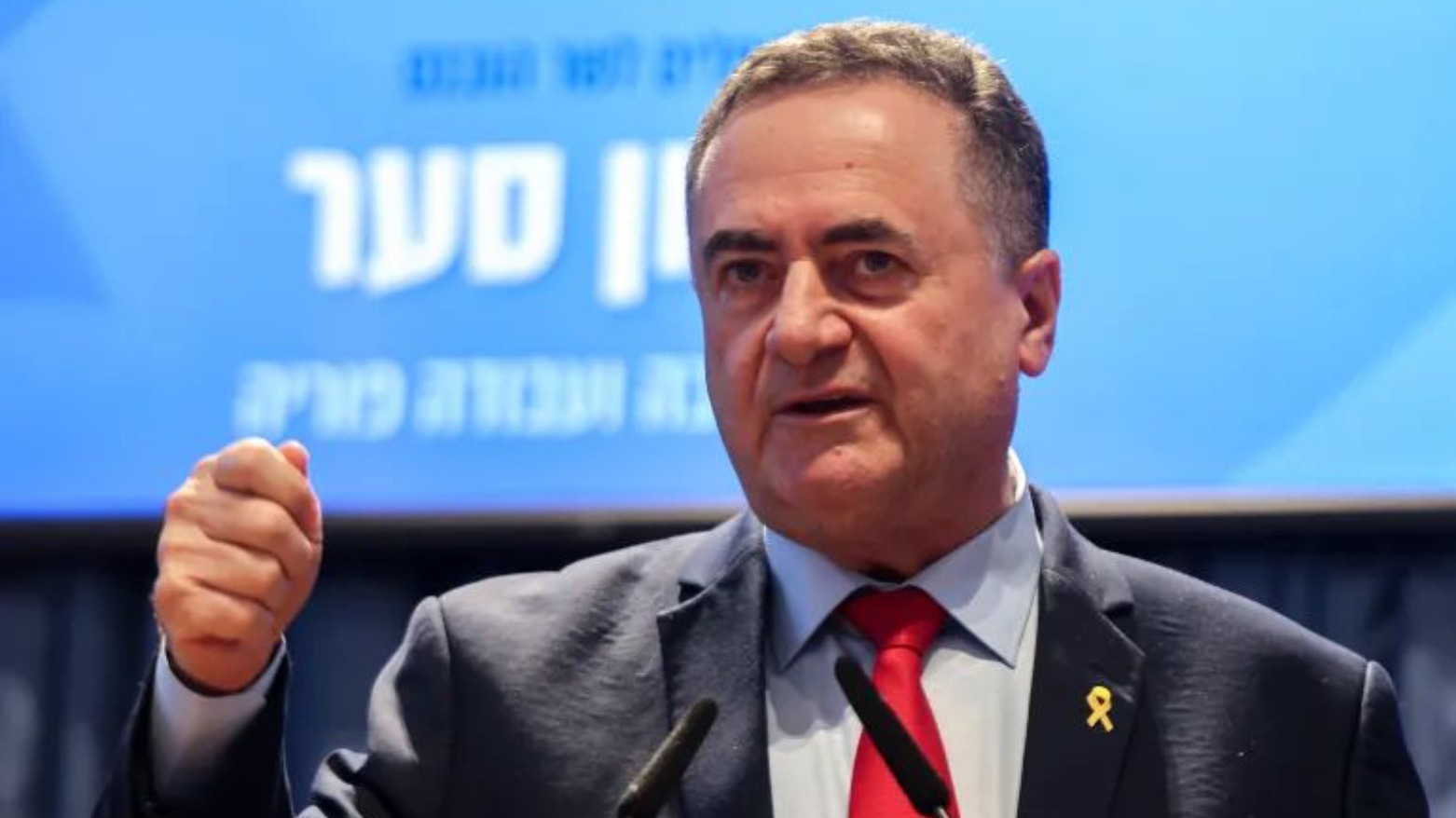
ERBIL (Kurdistan 24) - Israeli Defense Minister Israel Katz issued a sharp warning to Iran on Wednesday saying Israel anticipates Iranian attacks in the coming days during the Jewish holiday period and that any such attack would be met with a military response unlike anything seen in history, as the conflict between the United States, Israel, and Iran reached a new point of intensity following overnight American strikes on IRGC positions in southern Iran.
"We are continuously monitoring the situation together with Prime Minister Benjamin Netanyahu and military commanders to prevent any unexpected Iranian attack during the Jewish holidays," Katz said on Wednesday. "If Iran takes such a step, Israel's military response will be very severe and unprecedented in history."
Katz confirmed that Israeli intelligence is carefully assessing all information to prevent any complications, given that Iranian attacks are expected to begin within the coming days. The warning reflects a specific Israeli intelligence assessment rather than a general deterrent statement, placing it among the most operationally significant public Israeli declarations of the conflict's current phase.
On the recent American strikes against Iran, Katz said the primary objective of those operations was to stabilize energy markets, while clarifying that Israel was not directly involved in the military process against Tehran in the recent rounds of strikes. The clarification preserves Israel's public posture of acting independently while benefiting from American operations that serve shared strategic objectives.
On Iran's nuclear programme, Katz revealed that through Operation Roaring Lion, Israel was able to destroy a large part of Tehran's nuclear infrastructure and installations. He confirmed that Israel is now carefully monitoring Iranian movements to detect any attempt to rebuild or reconstitute those destroyed sites, making clear that any Iranian nuclear reconstruction effort will be treated as a trigger for further action.
The overnight context for Katz's statement was one of the most intense single periods of the conflict. Late Tuesday night and into Wednesday morning, August 31 through September 1, 2026, the United States struck several IRGC military positions in southern Iran. In response, the IRGC launched drones and ballistic missiles against Kuwait, Jordan, Bahrain, and Erbil, the capital of the Kurdistan Region of Iraq, expanding the geographic scope of the retaliation to encompass four countries simultaneously.
President Trump described the American strikes as "large and powerful," saying they were a response to Iran's failed attempts to lay mines in the Strait of Hormuz and to the launch of eight missiles against an American military base in Jordan, all of which were intercepted. Kurdistan Counter-Terrorism forces separately announced that allied forces shot down 10 drones over Erbil governorate airspace between 1:13 and 3:31 a.m. on Wednesday, with no casualties reported, as confirmed earlier by the directorate.
The war between the United States and Israel against Iran, which began in late February 2026 with strikes on Tehran and the killing of former Supreme Leader Ali Khamenei, has now reached a frozen point of intensity. The temporary ceasefire between the two sides collapsed after Iran attacked commercial vessels in the Strait of Hormuz. Iran has now closed the strait while the United States has tightened its blockade of Iranian ports. Trump has stressed that a deal is not his priority and that he will strike Iran hard whenever necessary.