South Korea Reviews Military Role in Strait of Hormuz
South Korea says it is reviewing possible contributions to Strait of Hormuz security but has made no decision on troop deployment amid pressure from President Donald Trump.
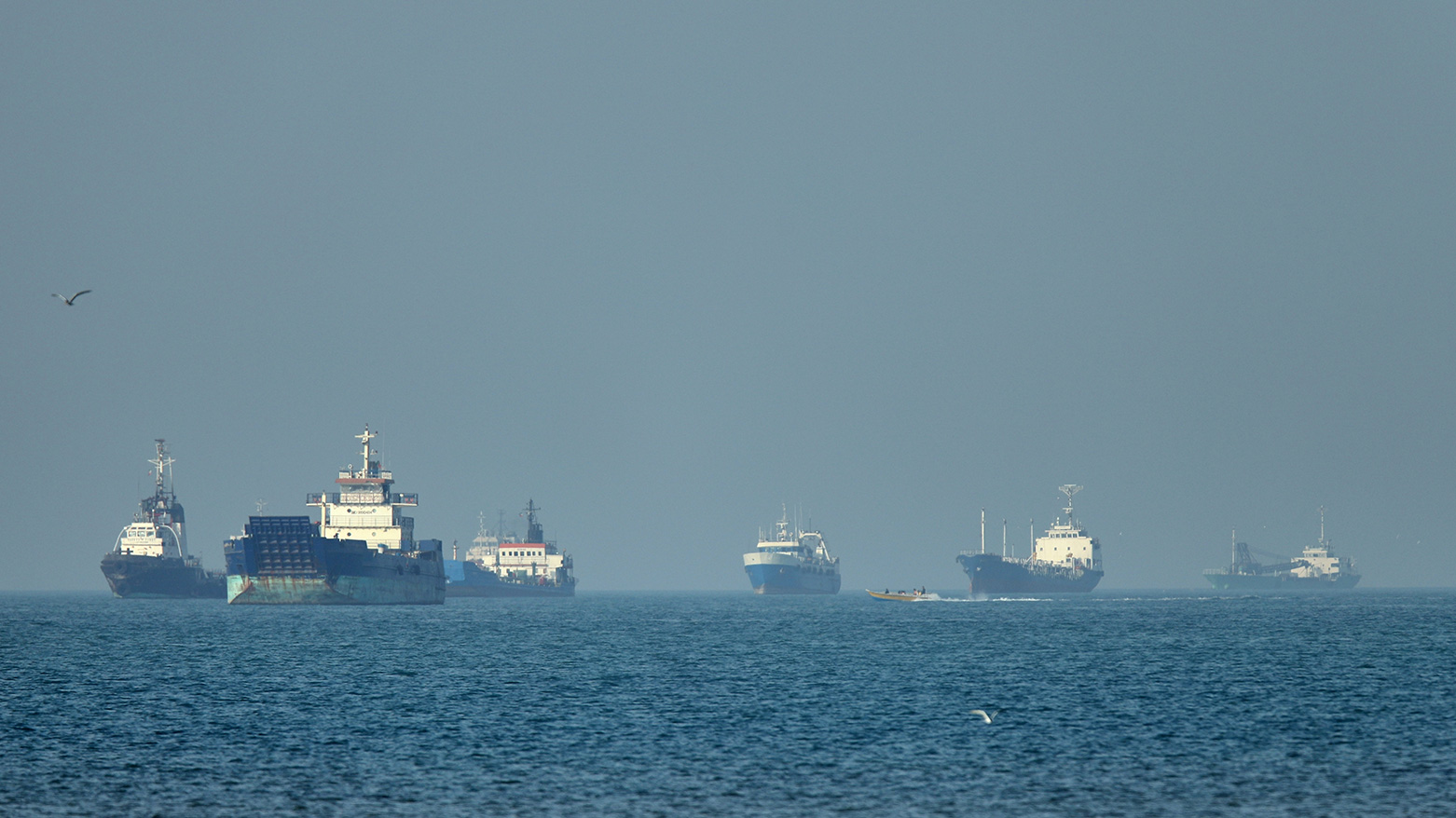
ERBIL (Kurdistan24) - South Korea is considering possible military contributions to international security operations in the Strait of Hormuz but has made no decision to deploy troops, Seoul's presidential office said Friday, as U.S. President Donald Trump continues pressing allies to support efforts to secure the strategic waterway.
A presidential official said South Korea could potentially contribute within limits that would not weaken military readiness on the Korean Peninsula.
"Contributions to the Strait of Hormuz could be managed within limits that do not compromise military readiness," the official said, according to Agence France-Presse.
The presidential office separately stressed that options discussed publicly, including combat participation, non-combat roles and search operations, were general possibilities rather than approved plans.
"No final decision" had been reached, the office said.
The clarification followed a report by South Korean broadcaster JTBC that the government was leaning toward dispatching forces to Hormuz and examining details before seeking parliamentary authorization.
Readiness on Korean Peninsula remains priority
Yonhap News Agency journalist Park Boram reported that Seoul was reviewing what form of contribution might be possible while preserving its own defense posture.
A presidential official told Yonhap that any decision would have to take account of military readiness on the Korean Peninsula and comply with South Korea's domestic legal procedures.
The official added that discussions had not yet reached the stage of requesting parliamentary approval.
Media reports have suggested that possible options could include sending military personnel and a combat support ship, but the presidential office has not confirmed any deployment plan.
The distinction is significant because South Korea faces its own immediate security requirements on the Korean Peninsula and would have to weigh any overseas commitment against those obligations.
Trump seeks allied support
The debate comes as Trump has repeatedly criticized South Korea for not providing greater assistance to U.S.-led efforts around the Strait of Hormuz.
Washington has struggled to secure broad allied participation in the six-month conflict with Iran, according to AFP.
The United States and Israel launched the war against Iran six months ago, while control of Hormuz has since become one of the conflict's central strategic issues.
Iran has continued to restrict traffic through the strait, while the United States is maintaining a counter-blockade of Iranian ports and pressing efforts to protect international shipping.
Hormuz remains critical to global energy markets because of the volume of oil and liquefied natural gas that historically passes through the narrow waterway.
For Seoul, any contribution would therefore carry both security and economic significance.
But South Korea's position remains cautious.
The government has not committed to combat operations, a support mission or a naval deployment, and officials are emphasizing that any eventual contribution must not undermine the country's ability to respond to security threats closer to home.