Baghdad to Host OIC Foreign Ministers’ Meeting, Calls for Dialogue and Coordination Across Islamic World
Baghdad will host the 52nd OIC Foreign Ministers’ meeting on Oct. 17 and 18, with Iraq calling for stronger dialogue and coordination to address challenges facing the Islamic world.
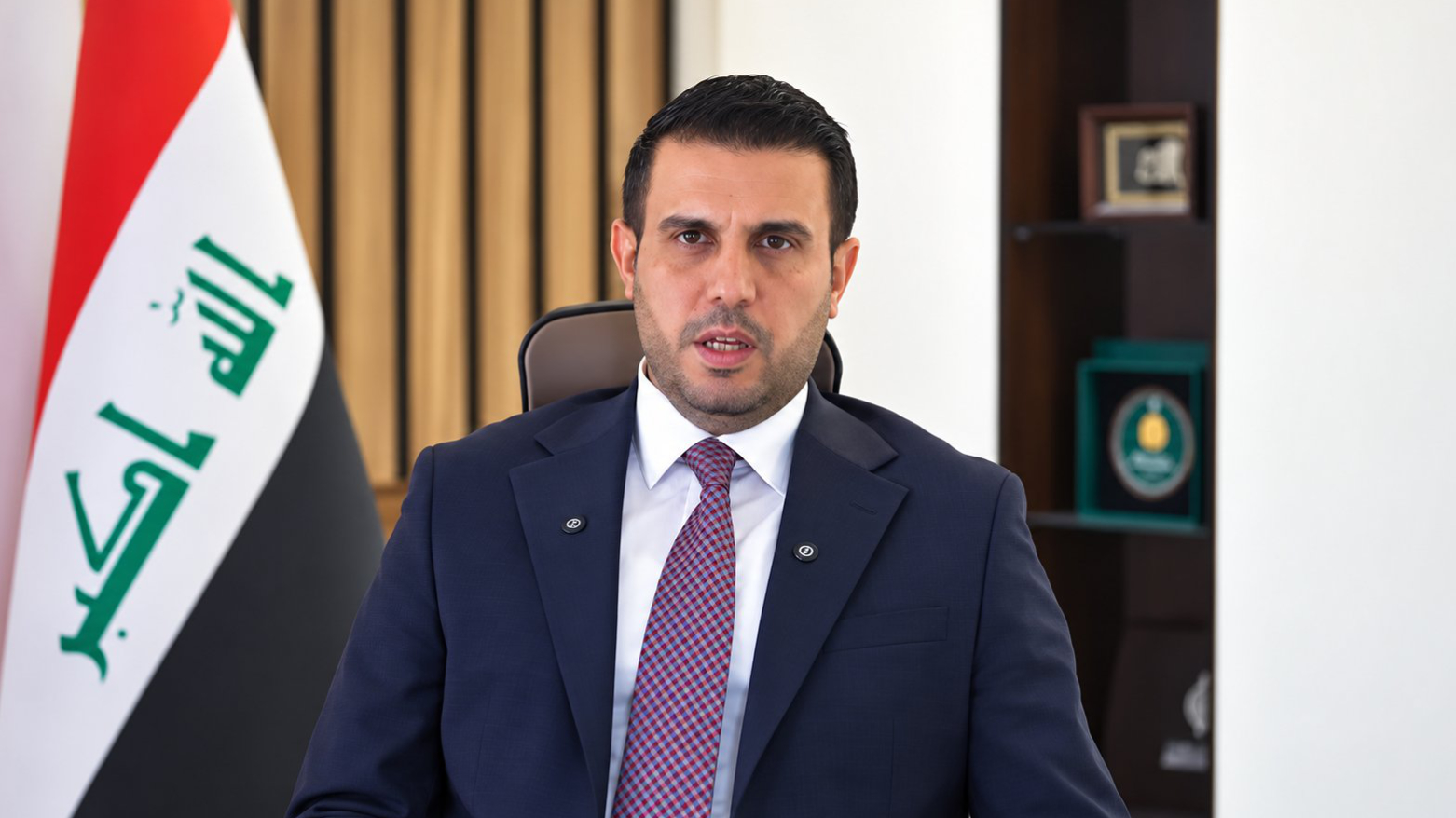
ERBIL (Kurdistan24) — Baghdad will host the 52nd session of the Council of Foreign Ministers of the Organization of Islamic Cooperation (OIC) on Oct. 17 and 18, with participating delegations expected to discuss shared political and economic issues and ways to strengthen coordination among Islamic countries.
Hassanein Kamil, the official spokesperson for the session, confirmed the dates on Saturday in remarks to the state-owned Iraqi News Agency (INA), saying delegations from OIC member states would attend alongside guests representing other countries and international organizations.
Kamil said the meeting would take place amid sensitive regional and international developments, with discussions covering political, economic, and other issues of common interest to member states.
He added that Baghdad’s central message would be a call for stronger dialogue and coordination to address challenges facing countries across the Islamic world.
Iraq welcomes the participating delegations and expresses hope that the discussions would be constructive and help strengthen understanding and cooperation among the peoples of the Islamic world, Kamil said.
The meeting places Baghdad at the center of multilateral diplomatic discussions at a time of ongoing regional tensions and broader international challenges, providing a forum for member states to exchange views and coordinate positions on issues of shared concern.
The Organization of Islamic Cooperation, founded in 1969, is an intergovernmental organization comprising 57 member states.
It seeks to promote solidarity and cooperation among Muslim-majority countries and represents their collective interests in international forums.
Its Council of Foreign Ministers is one of the organization’s principal decision-making bodies, bringing together foreign ministers or their representatives to review developments affecting member states and discuss political, economic, and other areas of cooperation.