Kremlin Offers Ukraine One-Day Ceasefire for Elections, Rejects 60-Day Truce
“I do not think he deserves a respite,” Lavrov said on Monday, after Zelensky offered to organize elections if Moscow agreed to a 60-day halt to hostilities
ERBIL (Kurdistan24) — The Kremlin said on Monday it would offer Ukraine a ceasefire only on the day of a presidential election, rejecting Ukrainian President Volodymyr Zelensky’s proposal for a 60-day truce to allow campaigning and voting amid Russia’s ongoing war against the country.
Kremlin spokesperson Dmitry Peskov said Russian President Vladimir Putin would be prepared to order a halt to strikes on Ukraine specifically on election day, but not for the two-month period Kyiv says would be necessary to organize the vote.
“If they truly want to hold elections in Kyiv, then the president of Russia, the commander-in-chief, will be ready to give an order not to launch strikes on Ukraine on election day, specifically on election day,” Peskov said.
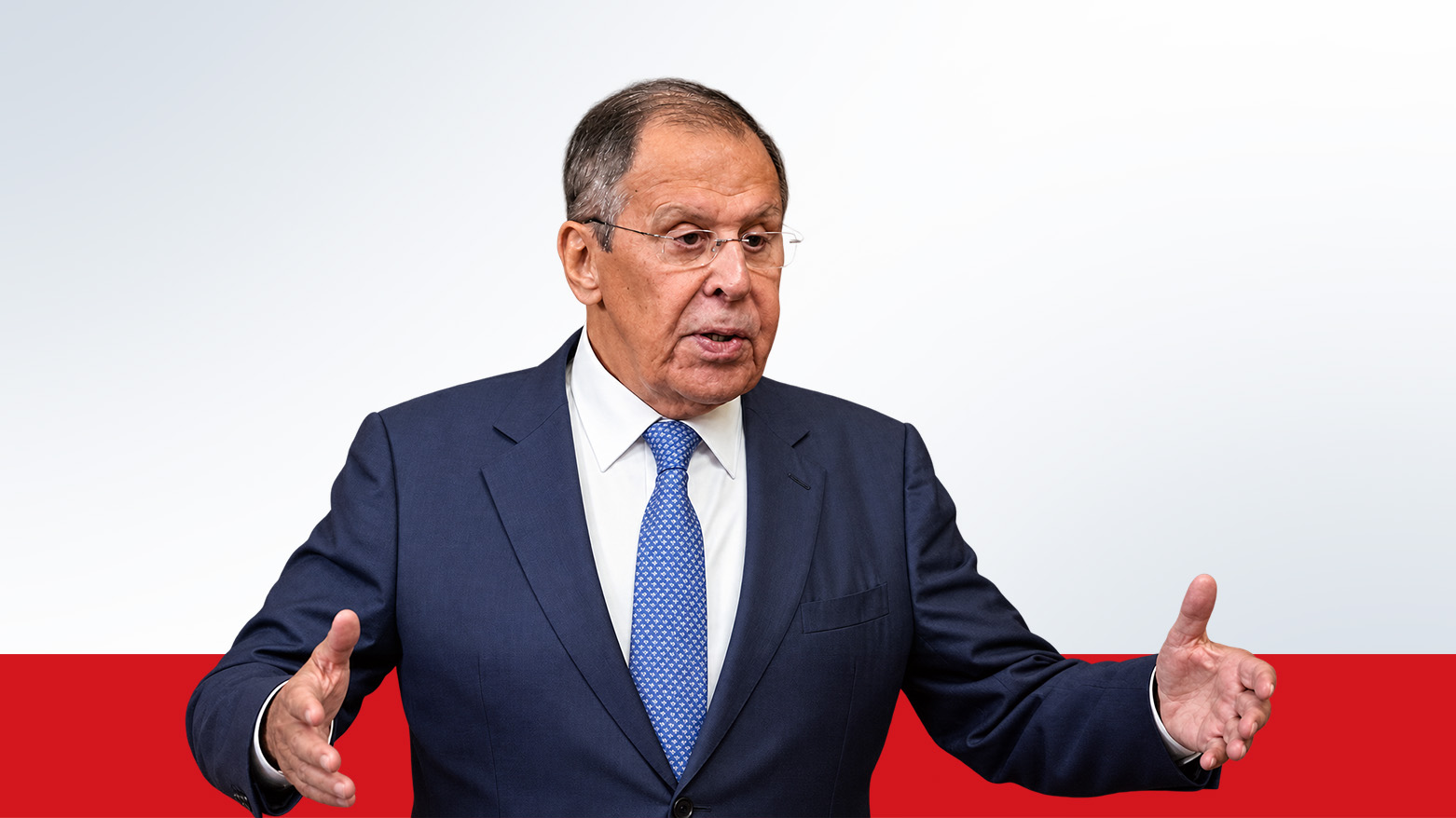
Russian Foreign Minister Sergei Lavrov also dismissed the proposed ceasefire, saying Ukraine did not “deserve” a two-month respite from the fighting.
“I do not think he deserves a respite,” Lavrov said on Monday, after Zelensky offered to organize elections if Moscow agreed to a 60-day halt to hostilities.
The Russian statements came after Zelensky, speaking to ABC’s This Week on Sunday, called for a complete ceasefire lasting two months to enable Ukraine to conduct a presidential election.
He said the Ukrainian people, rather than outside powers, must determine the country’s leadership.
Elections Dispute Deepens Amid Wartime Restrictions
The dispute over elections has become another point of contention between Moscow and Kyiv, with US President Donald Trump also pressing for Ukraine to hold a presidential vote.
Trump recently said he believed Ukraine should have a new president, prompting Zelensky to reiterate that the country’s leadership must be decided by Ukrainian voters.
Ukraine has not held a presidential election since Zelensky won the 2019 vote. The next election was due in 2024, but the war that started in February 2022 and the subsequent imposition of martial law prevented the country from proceeding with its normal electoral timetable.
Under Ukrainian law, national elections cannot be held while martial law remains in force.
Ukrainian parliamentary representatives have also highlighted the security and logistical obstacles to organizing a vote during the war, including the risks facing voters, military personnel, and millions of displaced citizens.
Zelensky has argued that a credible election would require a secure environment, making a sustained ceasefire essential. Moscow’s offer of a one-day halt, by contrast, would not provide the extended period needed for campaigning and preparations, leaving the two sides far apart over the conditions for holding a vote.
Lithuania PM Urges Allies to Target Russian Data Centers
Separately, Lithuanian Prime Minister Mindaugas Sinkevičius called on Ukraine’s allies to encourage Kyiv to intensify attacks on Russian data centers, arguing that such operations could help counter disinformation and foreign interference in democratic processes.
Speaking at the Warsaw Security Forum on Monday, Sinkevičius said Lithuania, Poland, and other European allies should consider asking Zelensky to expand the attacks.
“I believe that we should ask Mr Zelensky to hit more data centres in Russia, and that might help,” he said when asked how European countries could protect their elections against interference.
The Lithuanian leader also called for “huge” investments in combating disinformation, highlighting growing concern among European governments over the use of online manipulation, automated accounts, and coordinated influence campaigns to deepen political divisions.
His remarks came amid reports of attacks on data centers belonging to Yandex, the Russian technology company often described as Russia’s equivalent of Google. The reported attacks followed Russian strikes on similar infrastructure in Ukraine.
Zelensky has claimed that Ukrainian retaliatory operations against Russian data centers significantly reduced bot activity on social media platforms, easing what he described as the spread of hostility, division, and provocation.
“When we started responding to Russia’s operation against our data centres... it suddenly became a little easier to breathe on many social media platforms,” Zelensky said at the forum.
“There was less hate, less division, and fewer provocations. Because there were fewer bots.”
Cyber Operations and Information Warfare Expand the Conflict
The debate over data centers underscores how Russia’s war against Ukraine has increasingly extended beyond conventional military operations to include digital infrastructure and the information environment.
Data centers support cloud computing, online services, and other digital systems, making them important assets in a conflict where cyber capabilities and information operations have become increasingly prominent.
The alleged reduction in bot activity cited by Zelensky reflects Kyiv’s argument that disrupting Russian digital infrastructure could weaken networks used to amplify propaganda and manipulate online debate.
However, attacks on data centers also raise broader questions about the potential disruption of civilian services and the consequences of targeting infrastructure that may support both civilian and military activities.
For European governments, the concerns extend beyond Ukraine’s battlefield. Officials fear that foreign interference, coordinated disinformation campaigns, and the manipulation of online platforms could undermine public trust and influence elections across the continent.
Sinkevičius’s comments at the Warsaw Security Forum therefore link Ukraine’s campaign against Russian infrastructure with a wider European effort to strengthen democratic resilience.
Together, the two developments highlight competing approaches to the conflict: Moscow’s rejection of a prolonged ceasefire for Ukrainian elections, and Kyiv’s allies’ growing interest in confronting Russian capabilities beyond the battlefield.
Neither the proposed election truce nor the broader debate over digital retaliation offers an immediate resolution to the war, but both demonstrate how military security, democratic legitimacy, and information warfare are becoming increasingly intertwined.