Zelensky Says November Talks Could Address Territorial Dispute
Zelensky says Ukraine, Russia and the US will hold trilateral talks in November, with territorial disputes requiring negotiations at leadership level.
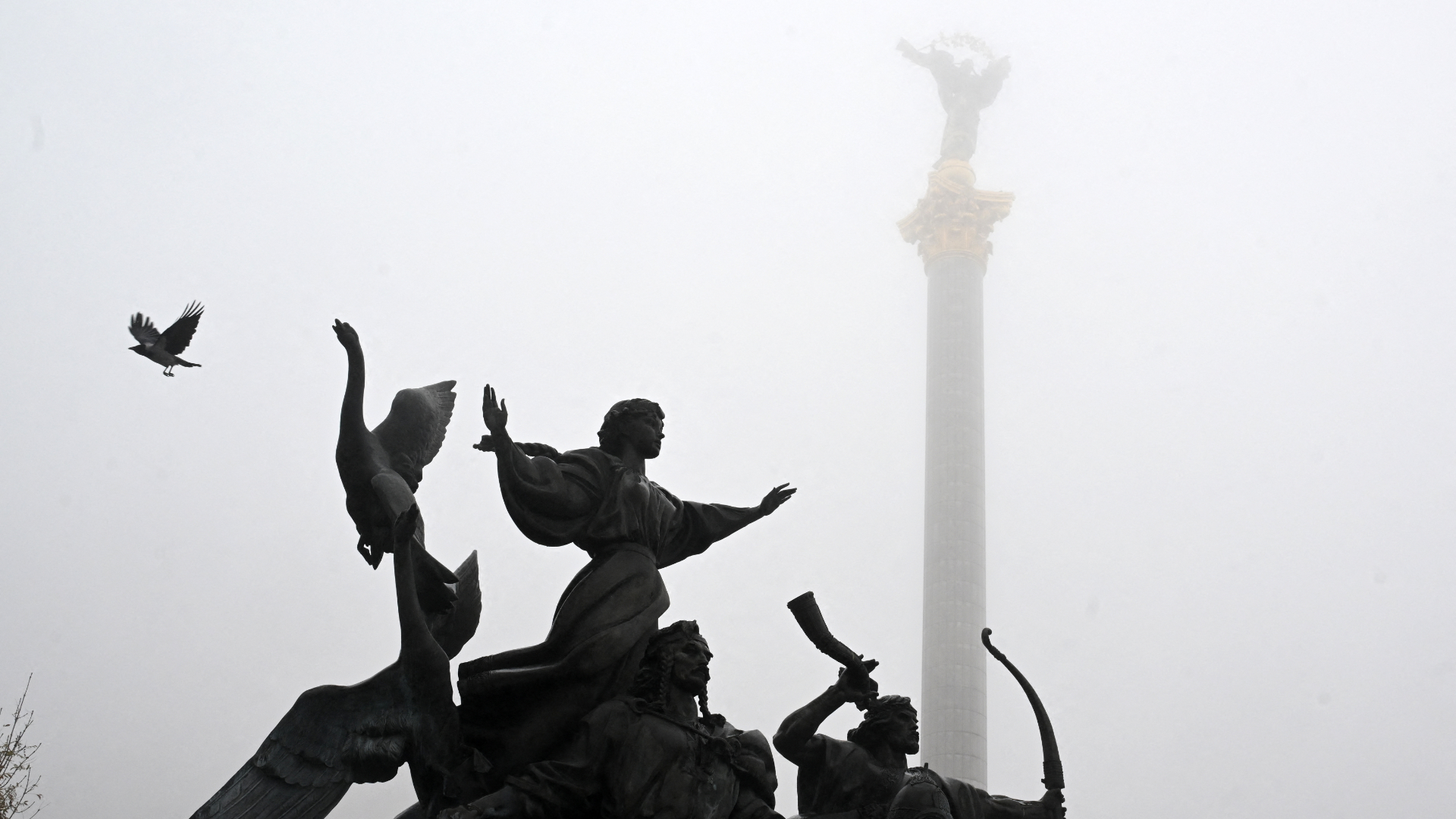
ERBIL (Kurdistan24) - Ukrainian President Volodymyr Zelensky said Sunday that Ukraine, Russia and the United States will hold trilateral talks in November in an effort to revive stalled negotiations on ending the war, with territorial questions expected to require discussion at the leadership level.
"We are ready to talk," Zelensky told Ukrainian television, according to Agence France-Presse. He said territorial disputes should be addressed directly by national leaders, while other issues could be handled by technical negotiating teams.
"All this can therefore be discussed in November," he said.
The planned meeting would mark a renewed U.S.-brokered effort to find a negotiating framework after more than four and a half years of war, but Kyiv and Moscow remain divided over some of the central questions that have prevented previous rounds from producing a settlement.
Associated Press journalists Derek Gatopoulos and Susie Blann reported Friday that the next round is expected around mid-November, with Abu Dhabi, the capital of the United Arab Emirates, identified by a Kremlin spokesperson as the likely venue.
The negotiations would be the fourth round brokered by the administration of U.S. President Donald Trump, following earlier talks, including negotiations in Geneva in February.
U.S. presidential envoy Steve Witkoff secured the latest commitment after meetings with Zelensky in Oslo and Russian President Vladimir Putin in St. Petersburg, according to the AP report.
Despite their willingness to resume talks, the two sides remain far apart over territory.
Russia demands control over the Ukrainian regions of Donetsk, Luhansk, Zaporizhzhia and Kherson, which Moscow claims to have annexed, in addition to Crimea, seized in 2014. Russia currently occupies roughly 20% of Ukraine but does not control all of the territory it claims.
Moscow also wants Ukraine to abandon its NATO ambitions, reduce its armed forces and make other political and security concessions.
Zelensky has argued that surrendering territory would leave Ukraine exposed to another Russian attack. Kyiv has instead supported a ceasefire that would freeze the current front lines before negotiations on a broader settlement.
Security guarantees remain another major obstacle. Ukraine has sought firm Western commitments capable of deterring future Russian military action, while Moscow has opposed Ukrainian NATO membership.
Zelensky said Thursday that any security arrangement would have to rest on a strong Ukrainian military backed by sustained financial support from European and American partners.
The diplomatic push comes alongside a more limited agreement between Kyiv and Moscow.
AP journalist Elise Morton reported that the two sides agreed to a localized ceasefire around Russian-occupied Oleshky in Ukraine's southern Kherson region following negotiations coordinated by U.S. first lady Melania Trump.
The pause, scheduled to begin Oct. 27, is intended to allow humanitarian aid into the city and permit civilians who want to leave to be evacuated. Oleshky has faced shortages of food, medicine, electricity, heat and running water after years of fighting.
The humanitarian agreement does not resolve the broader territorial and security disputes but demonstrates that limited arrangements remain possible even as fighting continues.
The renewed negotiations also come during tensions between Washington and Kyiv.
In separate reporting, AP journalists Susie Blann and Elise Morton wrote that SpaceX founder Elon Musk acknowledged restricting Starlink satellite internet speeds in Ukraine before service was restored. Ukrainian forces depend heavily on satellite communications for battlefield logistics, drones and defensive operations.
Meanwhile, Russia and Ukraine have continued long-range attacks against each other despite the new diplomatic activity.
Zelensky has argued that negotiations must be accompanied by greater pressure on Moscow, particularly when Russian strikes continue during diplomatic efforts. Putin, for his part, has said Russia is willing to negotiate while maintaining that Moscow will pursue its military objectives if talks fail.
The November meeting will therefore reopen negotiations without resolving the fundamental disagreement at their center: how territory, security guarantees and any lasting end to the war would be structured.