Erbil Wastewater Treatment Project Advances in Second Phase, Valued at $579 Million
Facility designed to treat 210,000 cubic meters of wastewater daily, protect groundwater reserves, and provide a new water source for irrigation and public parks
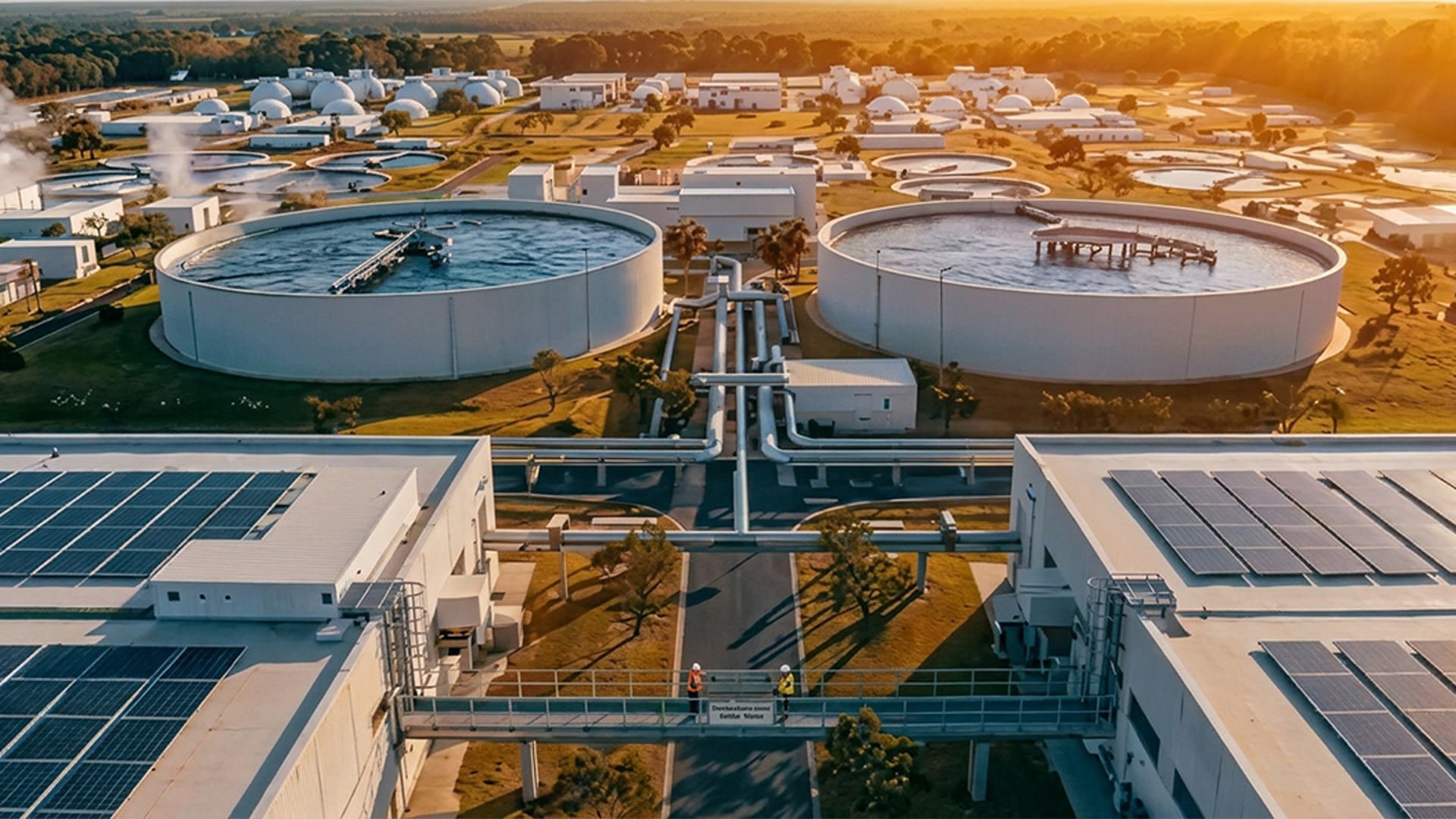
ERBIL (Kurdistan24) — Work is continuing on the second phase of Erbil’s major wastewater treatment project, valued at $579 million, as the Kurdistan Region advances efforts to address sewage infrastructure challenges, protect groundwater resources, and expand the reuse of treated water, a provincial official told Kurdistan24.
Zardasht Abdulkhaliq, director of the Erbil Sewerage Directorate, described the project as a strategic step toward resolving the city’s longstanding wastewater management problems and safeguarding underground water reserves.
The facility is being built on a 56-dunam site and is designed to treat up to 210,000 cubic meters of wastewater per day, providing significant capacity to manage sewage generated by Erbil’s growing urban population.
The project also includes the installation of 21,930 meters of pipelines of varying diameters. These pipelines will transport wastewater from six main outlets along Erbil’s 120-meter road to the central treatment station.
Beyond its engineering and sanitation functions, the project is expected to support the reuse of treated wastewater for irrigating the city’s green belt and public parks.
This would provide an alternative source of water for landscaping and urban greenery, helping reduce reliance on groundwater resources.
By treating wastewater before it enters the surrounding environment, the facility is also intended to help protect drinking-water wells and ease pressure on groundwater reserves, which are essential to the city’s long-term water security.
Addressing Erbil’s growing infrastructure needs
Erbil’s continued urban expansion has increased the importance of wastewater collection, treatment, and sustainable water management. Effective sewage infrastructure is essential not only for public health and environmental protection but also for supporting residential growth, economic development, and the city’s long-term sustainability.
The reuse of treated wastewater can help cities facing water stress reduce demand for freshwater supplies, particularly for uses such as irrigating parks and maintaining green spaces.
It can also limit the environmental risks associated with the uncontrolled discharge of untreated sewage.
Once completed, the Erbil project is expected to strengthen the city’s wastewater management capacity and provide infrastructure for more sustainable water use.
Its potential benefits include improved sewage services, greater protection of groundwater resources, and a more reliable supply of water for urban irrigation.
The project forms part of the broader need to modernize Erbil’s public-service infrastructure as the city continues to grow, with wastewater treatment and water conservation becoming increasingly important to its environmental and urban planning priorities.