Baghdad Housing Costs Rise as Investors Favor Real Estate
Baghdad rents in Mansour can reach $1,500 for apartments and $10,000 for houses, Kurdistan24 reports, amid investment and broader urban development concerns.
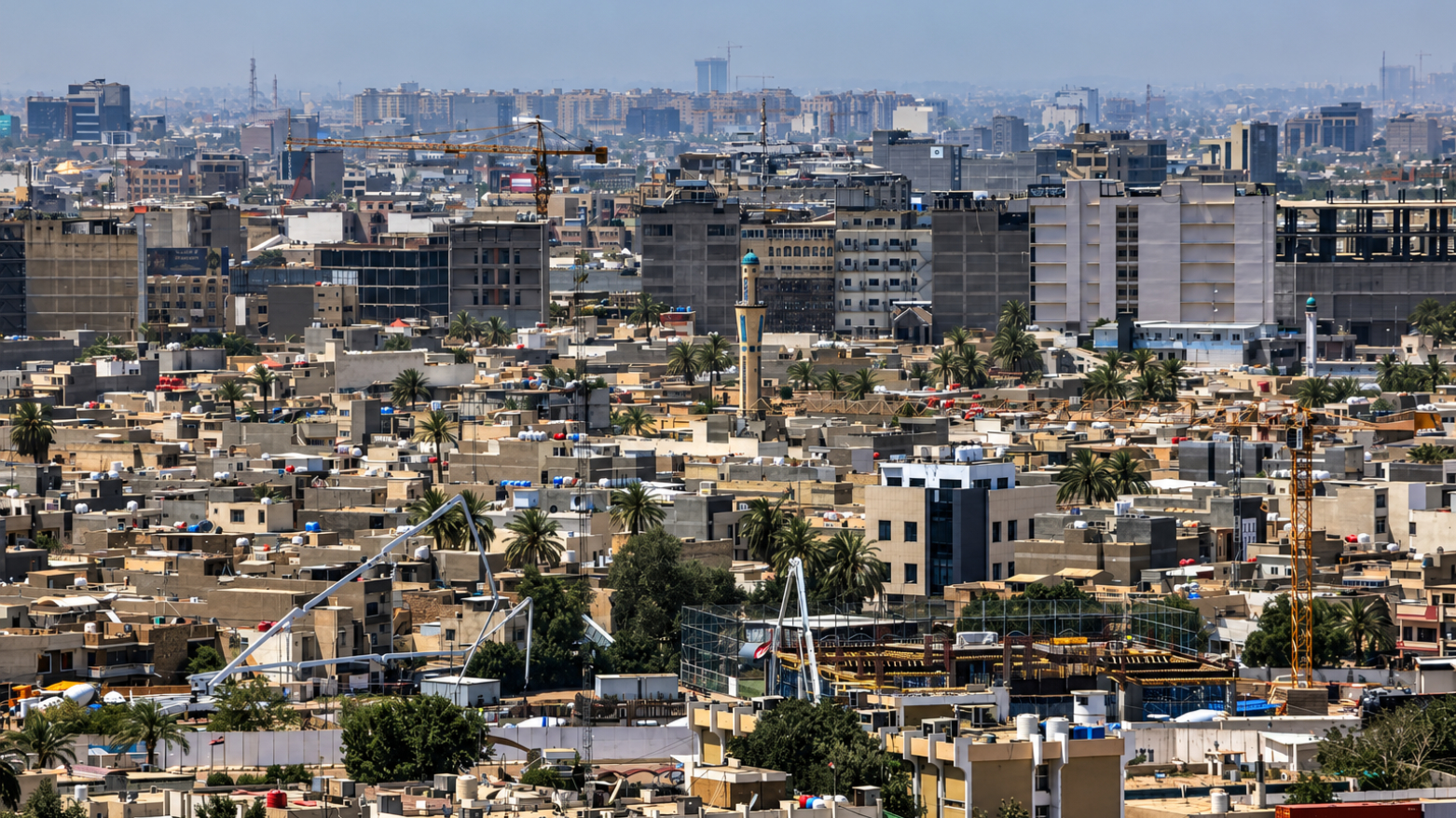
ERBIL (Kurdistan24) - Monthly rents for some residential properties in Baghdad's upscale Mansour district reach $10,000, while apartments in multi-unit buildings can cost as much as $1,500, according to Kurdistan24 correspondent Shivan Jabbari, who reported from the Iraqi capital on Monday.
Reporting from Dawudi Street in Mansour, Jabbari described a market in which individual properties command prices he said are sometimes compared with those in some of Europe's most expensive cities. His report highlighted two examples from the neighborhood rather than an average rental price for Baghdad as a whole.
An apartment in a building containing several residential units can rent for up to $1,500 a month, he said. A house measuring around 200 square meters, meanwhile, can reach what is locally described as $10,000 monthly.
"Did you know that property rents in Baghdad are so expensive that they are sometimes compared with those in the most expensive cities in Europe?" Jabbari asked in his report, drawing attention to the scale of the amounts quoted along Dawudi Street.
Jabbari identified investment preferences as a central explanation for the high prices. He said many investors direct part of their capital toward land and buildings because they regard real estate as a relatively secure and stable place to hold wealth.
"There are several reasons why prices continue to remain this high, but the main one is that most investors put part of their money into real estate and property because they know that investing in real estate is the safest and most stable form of business," he reported.
That assessment reflects the correspondent's explanation of investor behavior.
The attention directed toward real estate comes amid a separate debate about the pace and environmental consequences of construction across Baghdad.
In recent reporting, residents and environmental campaigners objected to the removal of mature trees near the Palestine Hotel on Saadoun Street, saying development was diminishing the capital's green spaces.
The trees, reportedly more than 30 years old, were cut down near the hotel's renovated frontage. The controversy raised questions about the oversight of urban changes as commercial projects, housing and other developments compete for space in the city.
The Iraqi Green Observatory has warned about vegetation being removed and land earmarked for green projects potentially being redirected toward investment.
In October, it expressed concern about the proposed Baghdad Forests site at the former al-Rashid Camp, while stopping short of saying the project had been formally canceled.
Baghdad Municipality says it has prohibited converting green spaces to other uses since 2022 and has announced plans to plant 190,000 saplings this autumn.
The Ministry of Agriculture has also pointed to approval requirements intended to protect productive agricultural land.
Read More: Baghdad's Green Spaces Shrink as Construction Threatens Old Trees
Together, the reports point to two distinct concerns accompanying Baghdad's development: the high rents quoted for some properties in sought-after neighborhoods and the protection of existing green areas as construction continues.
For prospective tenants, the immediate issue remains the amount demanded for housing; for city authorities, the broader challenge includes balancing development with the preservation of urban space.
Kurdistan24's correspondent in Baghdad Shivan Jabbari contributed to this report.