Bardarash Strategic Water Project Reaches Nearly 40% Completion
Bardarash's strategic water project is nearly 40% complete, with a June 2027 opening planned to provide drinking water to more than 185,000 residents.
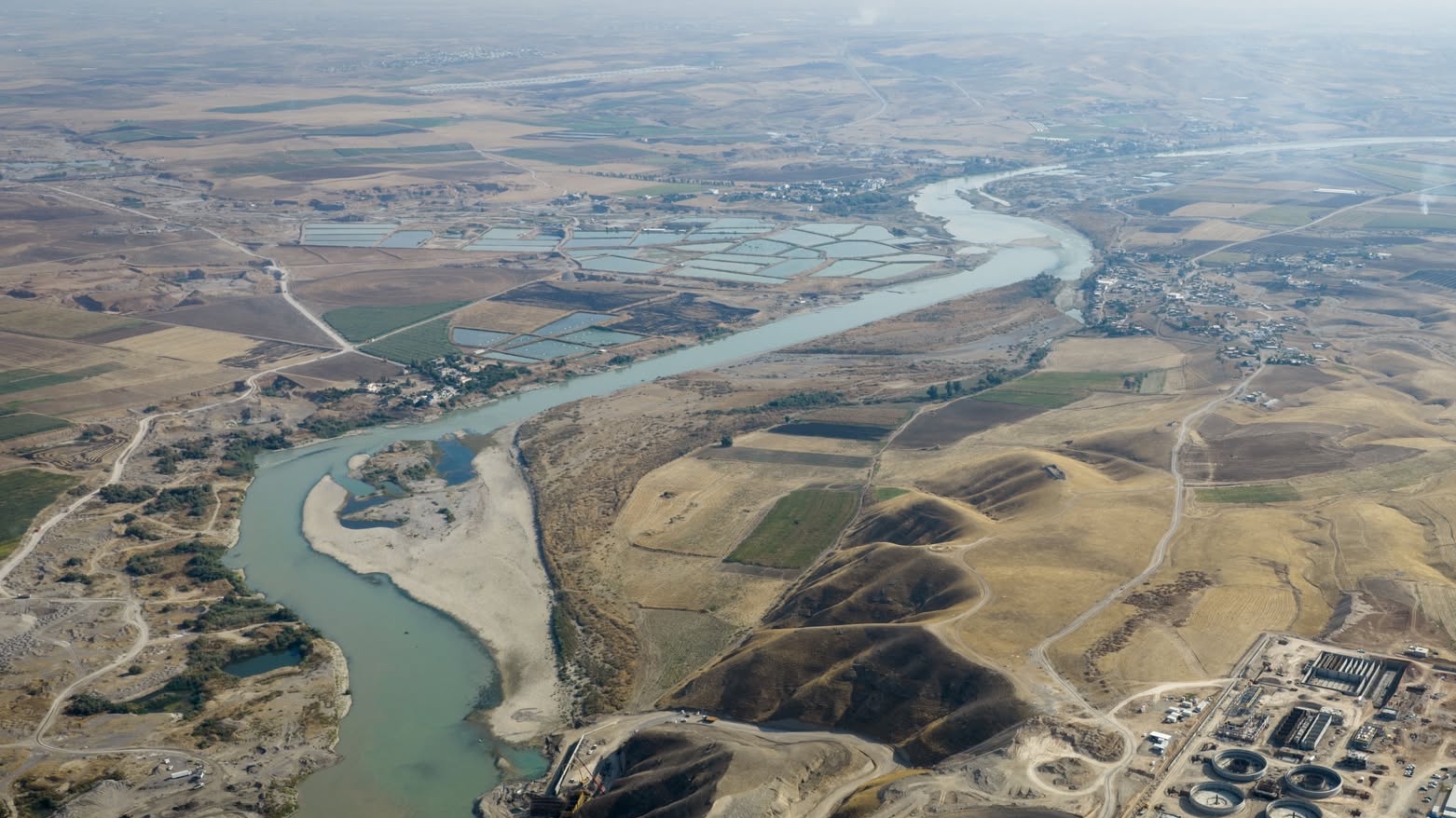
ERBIL (Kurdistan24) - Construction on the Bardarash Strategic Water Project has reached nearly 40 percent, with officials expecting the development to become operational in June 2027 and provide a more reliable drinking water supply to over 185,000 people.
The project, costing more than 400 billion Iraqi dinars, is intended to address longstanding shortages across Bardarash district, including its center, three subdistricts and more than 105 villages. It will draw water from the Greater Zab River rather than depend primarily on underground wells.
Engineer Rebar Nazim Khurshid, Director of Bardarash Water, told Kurdistan24 that work was advancing ahead of the original construction timetable.
"The project was scheduled to be completed within 900 days, but we expect it to be finished ahead of schedule and completed in June next year," Khurshid said.
His projected completion date would place the opening in June 2027. Although construction has advanced, the project is not yet operating, and residents must await completion of the necessary treatment and distribution facilities before receiving the planned supply.
The first phase includes installing a drinking water distribution network serving 105 villages. Once the entire scheme is finished, authorities expect it to address shortages in Bardarash town, Rovia, Daratu and Kalak subdistricts, more than 105 villages and four other major areas within the district.
The development is designed to produce 72,000 cubic meters of treated water daily. Its main components include an intake installation on the Greater Zab, a treatment plant using advanced equipment and a network to carry drinking water to homes and communities.
Beyond increasing the supply available to residents, the project aims to reduce pressure on groundwater resources. Officials plan to shut down more than 250 water wells after the new system enters service, replacing much of the area's reliance on water pumped from below ground.
That change could have particular importance in Bardarash, where falling levels in artesian wells have compounded water shortages over many years. The district lies between Erbil, Duhok and Nineveh provinces and has struggled with the absence of a dependable, district-wide drinking water source.
The proposed shift to treated river water is intended to provide a longer-term alternative to those wells while protecting underground reserves. Its success, however, will depend on completing the intake, treatment and distribution network and maintaining the system once it becomes operational.
With substantial construction work still ahead, the coming months will determine whether the project meets the accelerated timetable described by Khurshid. For the communities it is designed to serve, the main anticipated benefit is a stable drinking water supply that no longer relies on declining groundwater wells.