Ukraine, Russia, US Set for Abu Dhabi Talks as Fears Grow Over Territorial Concessions
European representatives will also travel to the UAE capital amid concerns that Washington could pursue a settlement with Moscow at Kyiv’s expense, as Russia maintains its territorial demands
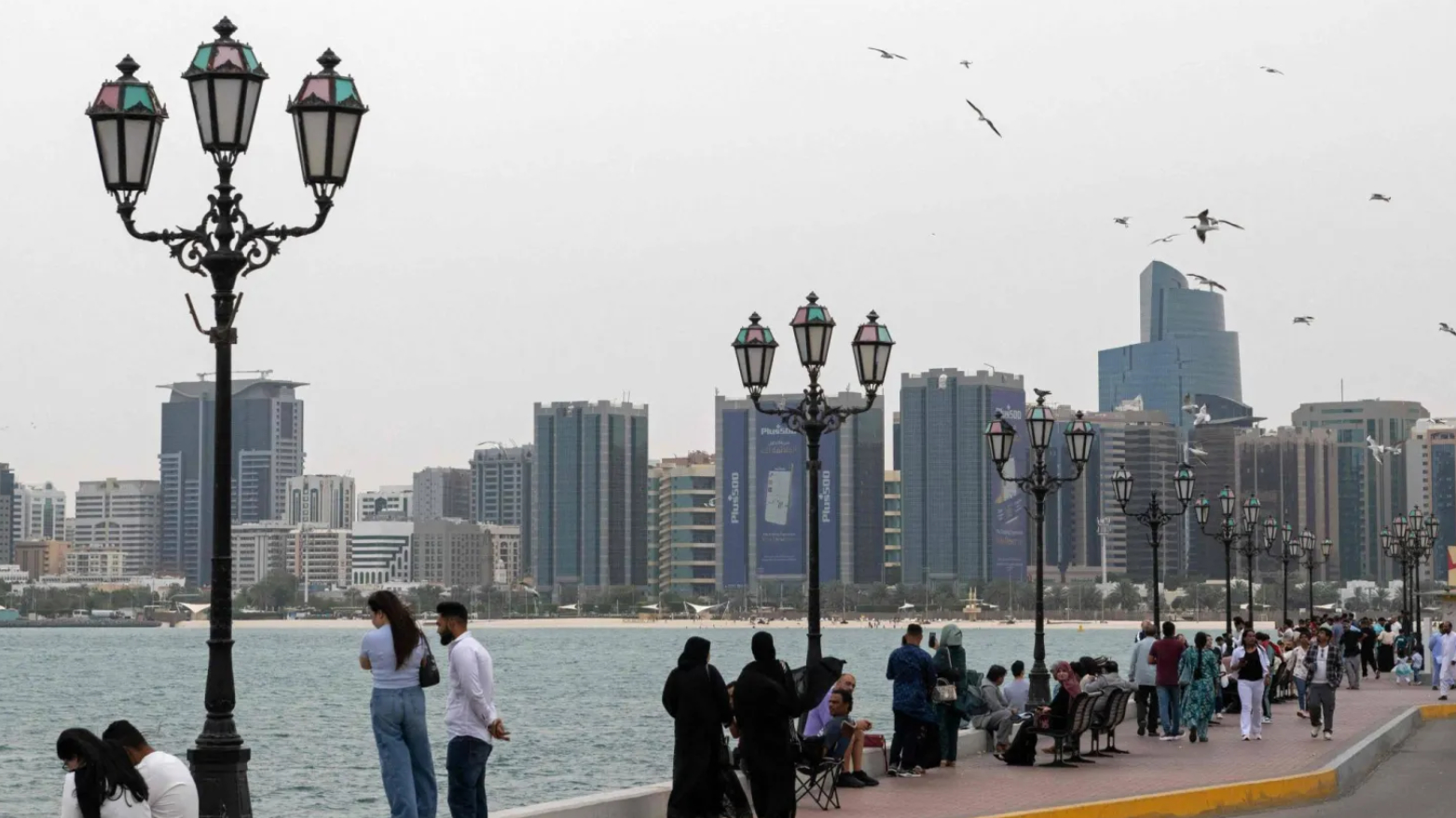
ERBIL (Kurdistan24) — Negotiators from Ukraine, Russia, and the United States are set to meet in Abu Dhabi on Tuesday for renewed talks aimed at ending the war in Ukraine, as growing divisions over territorial concessions and Europe's future security arrangements threaten to complicate efforts to reach a settlement.
The meeting marks the first trilateral negotiations involving the three countries in more than nine months and comes amid mounting concerns in European capitals that US President Donald Trump could pursue an agreement with Moscow without adequately addressing Ukraine's security interests.
European countries, alarmed by Trump's suggestion of a broader agreement involving European security, will also send representatives to Abu Dhabi, although the Kremlin has insisted that the negotiations will remain trilateral.
Trump has made ending the Russia-Ukraine war a priority since returning to the White House, but previous diplomatic efforts have failed to produce a breakthrough. The process was also sidelined by the US-Israeli war against Iran.
Ahead of the negotiations, Trump suggested that Ukraine might have to accept territorial losses, saying the country would eventually have a "little bit different shape."
Russia currently controls large parts of Ukrainian territory and continues to advance westward, although its forces have failed to capture the entire Donetsk region.
Moscow has demanded that Kyiv surrender the remaining areas of the region under Ukrainian control, warning that it will otherwise continue its military offensive.
Ukraine has repeatedly rejected the demand, ruling out a withdrawal from its territory after more than four and a half years of resistance against Russia's military advance, launched in February 2022.
The war has killed hundreds of thousands of people, displaced millions, and devastated large parts of Ukraine, with no clear indication that Moscow is prepared to abandon its territorial objectives.
Russian Attacks Raise Pressure Ahead of Talks
Russian forces intensified their attacks on Ukraine ahead of the Abu Dhabi negotiations, including a strike that Ukrainian authorities said killed 55 people in a frontline village as residents gathered to receive humanitarian assistance.
Ukrainian President Volodymyr Zelensky accused Moscow of escalating its military campaign to weaken Kyiv's position at the negotiating table, describing the intensified attacks as part of Russia's strategy to exert pressure on Ukraine.
The Ukrainian military said on Tuesday that Russia had launched 162 drones and one ballistic missile overnight.
Russian President Vladimir Putin, who ordered the full-scale military operations in February 2022, has repeatedly rejected broader ceasefire proposals and direct face-to-face negotiations with Zelensky.
The Abu Dhabi meetings are expected to bring together the opposing sides under the mediation of Trump's son-in-law Jared Kushner and US special envoy Steve Witkoff. The negotiations follow previous rounds held in Geneva in February.
The talks are scheduled to begin at 11:50 a.m. local time, according to Russian state news agencies.
Expectations for a breakthrough remain limited. A senior Ukrainian official told AFP that Kyiv had "no particular expectations" from the negotiations.
Trump, however, said last week that a "very big agreement" on the war was possible and would "involve all of Europe," raising concerns that Washington and Moscow could negotiate a new European security framework without sufficient European participation.
Europe Fears Being Sidelined
European governments have expressed concern over the prospect of Washington and Moscow discussing the continent's security arrangements without meaningful European involvement.
US envoy Kushner said on Monday that reaching a peace settlement would require direct talks between Russia and European countries on broader security arrangements affecting them. He added that Washington recognized the difficult decisions ahead.
The prospect has drawn criticism from European officials, particularly given Moscow's longstanding demands for changes to NATO's military presence in Eastern Europe.
German Foreign Minister Johann Wadephul said on Monday that Europe did not need a new security architecture, urging Moscow to abandon its maximalist demands and warning against turning the Abu Dhabi negotiations into a diplomatic spectacle.
Zelensky has also warned against what he described as a potential "Yalta 2.0," invoking the 1945 Yalta Conference, when the leaders of the United States, Britain, and the Soviet Union discussed Europe's postwar political order.
According to Ukraine's chief negotiator, Rustem Umerov, representatives from Britain, France, Germany, and Italy, alongside officials from NATO and the European Union, will hold separate meetings with the Ukrainian delegation in Abu Dhabi.
Moscow has consistently sought to exclude European countries from the negotiations, insisting that discussions on ending the war remain limited to Ukraine, Russia, and the United States.
Russia's delegation will be led by Vladimir Medinsky, an aide to Putin, and will include Deputy Foreign Minister Sergei Ryabkov, who previously issued Moscow's demands for NATO to roll back its military presence in Eastern Europe shortly before Russia launched its military operations in 2022.
With Moscow maintaining its territorial demands, Kyiv rejecting further concessions, and European governments seeking guarantees over their security, the Abu Dhabi negotiations face significant obstacles to achieving a comprehensive peace agreement.