Iraq Orders Forces into Jurf al-Sakhar, Sets Kataib Hezbollah Deadline
Iraq orders forces into Jurf al-Sakhar as an oil-smuggling inquiry finds pipeline tampering and facilities; Kataib Hezbollah faces a withdrawal deadline.
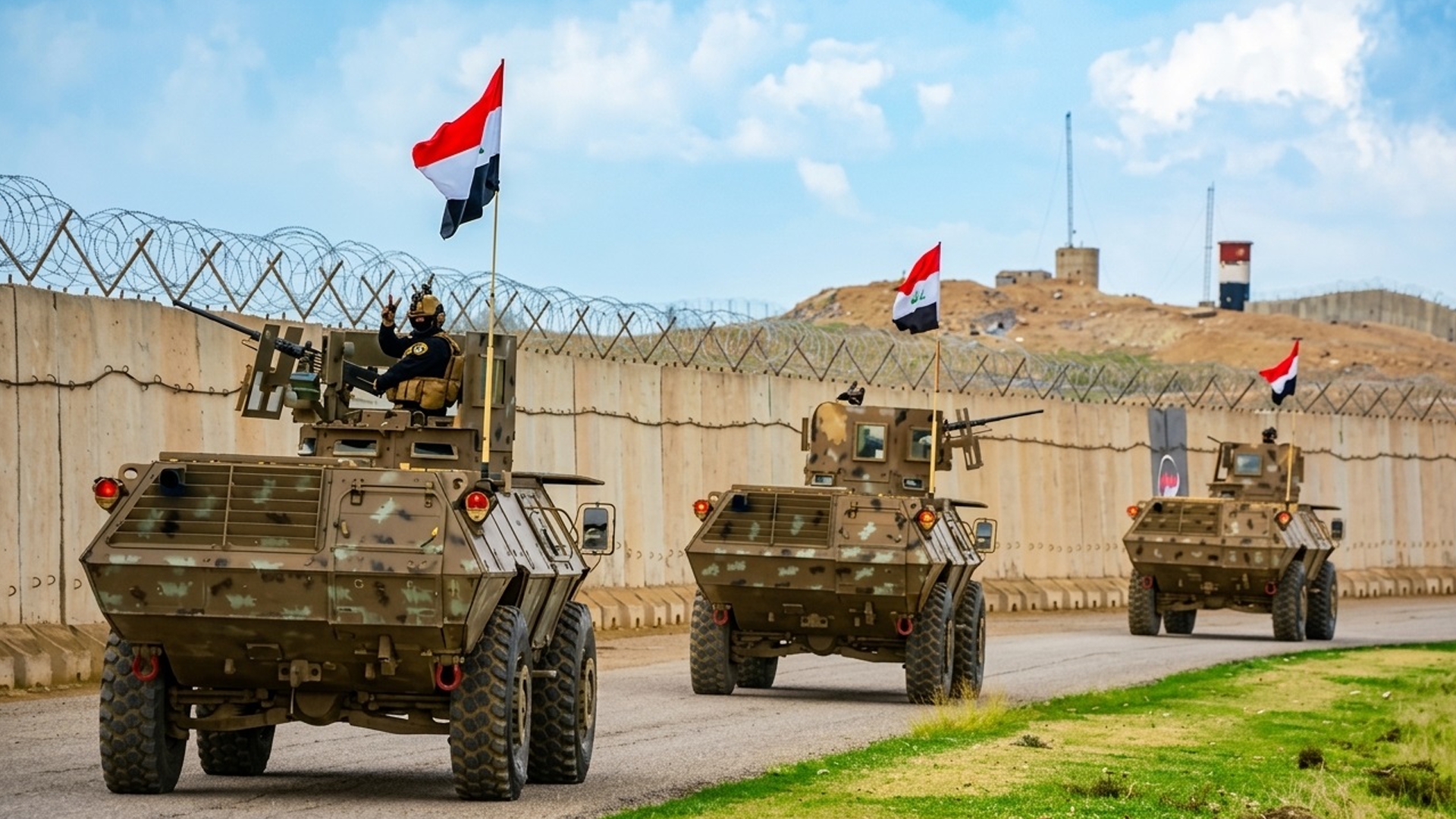
ERBIL (Kurdistan24) - Iraq's commander-in-chief of the armed forces has ordered government troops to enter Jurf al-Sakhar and set a deadline for Kataib Hezbollah to withdraw from the area, Iraqi government spokesperson Haider Aboudi said on Monday, Nov. 16, 2026.
Speaking to the Iraqi News Agency (INA), Aboudi said the deadline was approaching, but did not specify when it would expire or provide a timetable for the deployment. He gave no details on which military units would be involved or how the withdrawal instruction would be enforced, leaving the immediate security arrangements unclear.
He presented the order as part of a wider government effort to investigate suspected oil smuggling and assert the authority of state security institutions.
The announcement follows findings from a high-level investigative committee that, according to Aboudi, identified interference with oil pipelines and discovered two refineries, a tanker and oil-storage facilities in Jurf al-Sakhar.
The investigation has also led to instructions for judicial action and tighter controls on the movement of petroleum products from the area.
Aboudi said the government had treated the Jurf al-Sakhar file as effectively closed for years.
That position changed as authorities exercised what he described as their legal powers and constitutional responsibility to protect Iraq's public resources from suspected illicit activity.
Investigators inspected six locations, including sites identified in an intelligence agency report.
During those visits, the committee documented what Aboudi described as clear evidence of tampering with oil pipelines, despite attempts to hide or remove traces of the interference.
He did not provide figures for the volume or value of oil suspected to have been diverted.
Nor did the details he disclosed establish the individual responsibility of those who may have been involved. He said the commander-in-chief had directed that the case file and individuals implicated in the suspected activity be referred to the judiciary.
The Federal Integrity Commission has likewise been instructed to carry out its investigative responsibilities in the case, Aboudi said. Relevant security agencies have been ordered to stop the movement of oil tankers and vehicles carrying petroleum products out of Jurf al-Sakhar.
The government spokesperson stressed that the instructions on suspected oil smuggling were not confined to Jurf al-Sakhar.
Security officials throughout Iraq, he said, have been directed to act within their assigned jurisdictions to prevent interference with public wealth, particularly the country's oil resources.
On the planned entry of armed forces into Jurf al-Sakhar, Abboudi argued that the presence of authorized security personnel should be regarded as an ordinary function of government rather than an exceptional measure.
Responsibility for maintaining security in Iraqi towns and districts, he said, belongs to forces operating under the commander's authority.
He also said the armed forces had demonstrated the ability to safeguard Iraqi territory, its resources and the lives of residents. Security agencies, he added, had already begun investigating possible oil smuggling in other areas, although he did not identify those locations.
Aboudi separately addressed relations between Baghdad and the Kurdistan Region, saying the government was approaching that issue through the constitutional framework governing federal and regional powers.
The Region's constitutionally recognized authority, he said, must operate within the boundaries of its relationship with Iraq's federal institutions. He also pointed to coordination with the Kurdistan Region and described signs of cooperation with federal security representatives assigned to investigate suspected oil-smuggling operations.
His comments placed the Jurf al-Sakhar investigation within a broader push to apply federal oversight to suspected violations involving oil resources, while maintaining that such measures should proceed through legally empowered security agencies and judicial institutions.
For now, Aboudi's announcement leaves two immediate questions unresolved: when the ordered deployment will take place and whether Kataib Hezbollah will leave Jurf al-Sakhar before the deadline he says has been established.