Live

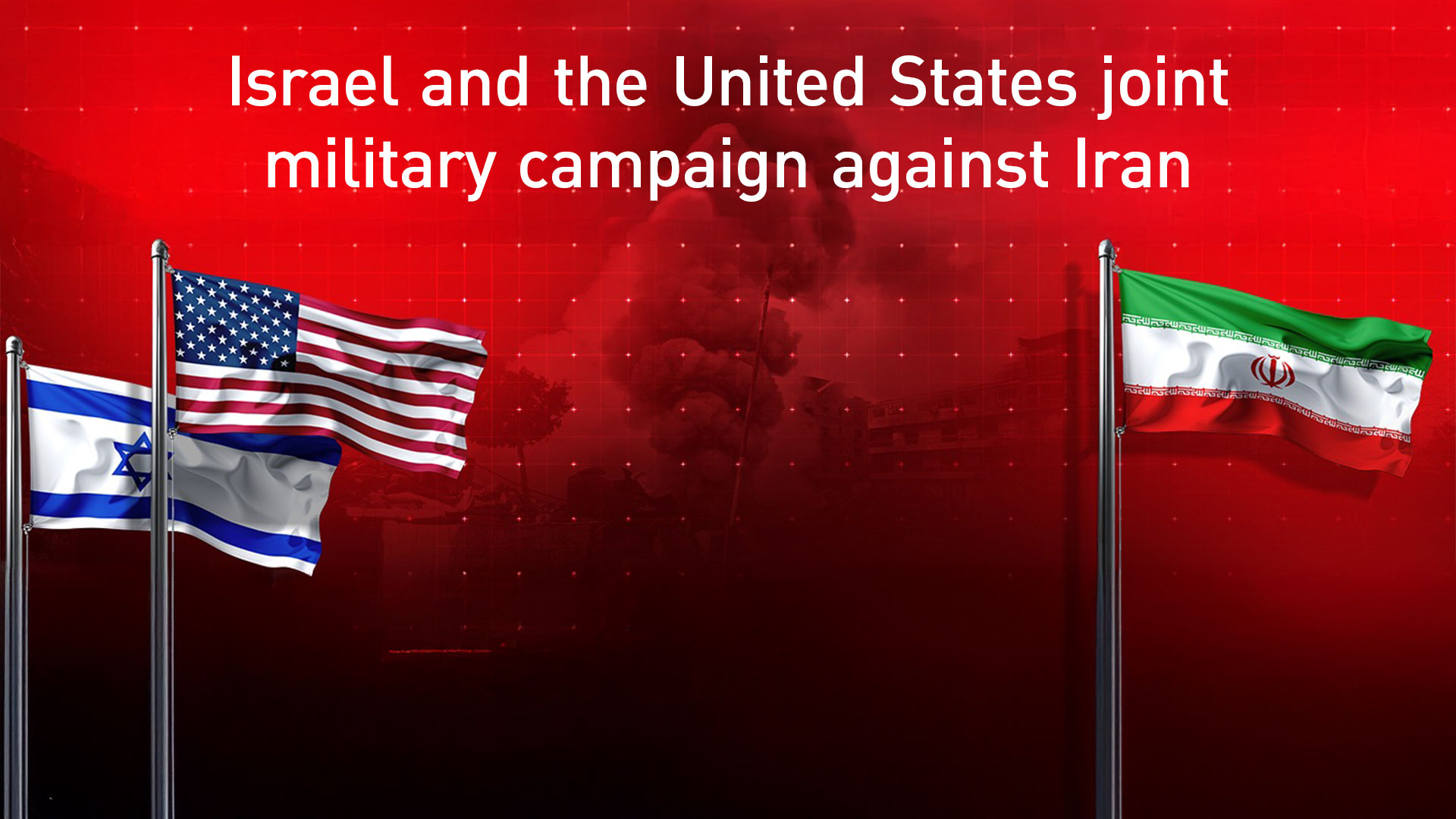
Israel and the United States joint military campaign against Iran

A coordinated offensive by Israel and the United States targets strategic military sites across Iran, marking a dramatic escalation in regional tensions.

Iran
Graphic Designed by Kurdistan24
Shared

Seoul Reports First Red Sea Crude Shipment Since Hormuz Access Cut Off

Dr. Kamaran Aziz
Dr. Kamaran Aziz
Dr. Kamaran Aziz

South Korea has confirmed the first successful crude oil shipment via an alternative Red Sea route following the closure of the Strait of Hormuz, Agence France-Presse reported, citing the country’s oceans ministry. Officials said the tanker transit marks a structural shift in supply logistics after disruptions linked to US-Israeli strikes on Iran and subsequent access restrictions in the Strait of Hormuz. President Lee Jae Myung, in remarks cited by AFP and The Korea Herald, described the operation as a coordinated government achievement. Seoul has reportedly secured more than 270 million barrels of crude through alternative routes and has expanded diplomatic engagement with major energy suppliers to stabilize imports. The Red Sea corridor remains operational despite security risks, including threats to commercial shipping in the region, according to South Korean and international reporting.

 
Click to Read More

Key Points

Iran Conditions Strait of Hormuz Reopening on End to U.S. Naval Blockade Read More

Iran Reviews New U.S. Proposals as Strait of Hormuz Tensions Escalate Read More

US ramps up pressure on Iran with troop deployment and blockade as talks edge toward restart Read More

Trump Criticizes Italy’s Meloni Over Refusal to Back Iran War Read More

First Cross-Border Aid Shipments Reach Iran as Humanitarian Needs Mount Read More

Trump Says Iran Has Contacted U.S. Seeking Deal ‘Very Badly,’ After Weekend Talks Collapse Read More

UKMTO Warns of Sweeping Maritime Restrictions as US-Enforced Blockade of Iran Comes into Effect Read More

U.S. Enforces Iran Naval Blockade as Trump Warns of Immediate Strikes on Approaching Vessels Read More

ASEAN Urges U.S., Iran to Continue Talks as Hormuz Crisis Threatens Global Oil Flow Read More

Russia Withdraws Majority of Staff from Iran’s Bushehr Nuclear Plant Amid Airstrike Fears Read More

Auto updates

Pezeshkian: Washington Cannot Unilaterally Deprive Iran of Its Nuclear Rights

Dr. Kamaran Aziz
Dr. Kamaran Aziz
Dr. Kamaran Aziz

A fragile two-week truce nears expiration as Washington and Tehran clash over maritime and nuclear red lines.

Iranian President Masoud Pezeshkian warned U.S. President Donald Trump that Washington cannot unilaterally deprive Iran of its nuclear rights, further complicating ongoing ceasefire negotiations mediated by Pakistan.

U.S. President Donald Trump characterized the discussions as "very good" but publicly rejected any Iranian pressure regarding the contested Strait of Hormuz.

Meanwhile, Iranian Vice President Mohammad Reza Aref asserted Tehran’s authority to manage the strategic waterway, warning that Iran will secure its maritime rights diplomatically or operationally.

The diplomatic standoff over nuclear material and maritime control occurs as the current two-week truce approaches its expiration this week.

Simultaneously, state and independent monitors report the six-week conflict has resulted in over 3,500 fatalities.

If indirect talks in Islamabad collapse, Israeli and U.S. forces have indicated preparations to strike Iranian energy infrastructure, threatening an immediate return to region-wide military engagement.

 
Click to Read More

Iran Conditions Strait of Hormuz Reopening on End to U.S. Naval Blockade

Dler Mohammed
Dler Mohammed
Dler Mohammed

Iran said Saturday that the Strait of Hormuz will not fully reopen unless the United States lifts its naval blockade on Iranian ports, underscoring the fragility of ongoing negotiations and raising fresh concerns over global energy flows.

Mohammad Bagher Ghalibaf, speaking in a televised address, acknowledged “progress” in talks with Washington but stressed that significant differences remain. “We are still far from the final discussion,” he said, referring to negotiations aimed at ending the conflict involving the United States, Israel, and Iran.

A two-week ceasefire linked to the broader confrontation is set to expire on Wednesday, adding urgency to diplomatic efforts. Meanwhile, Donald Trump said “very good conversations” were underway but warned Tehran against attempting to “blackmail” Washington.

 
Click to Read More

Iran Rejects Nuclear Demands Amid Diplomatic Deadlock

Dr. Kamaran Aziz
Dr. Kamaran Aziz
Dr. Kamaran Aziz

Efforts to finalize a permanent end to the six-week war remain deadlocked as a temporary, two-week ceasefire nears expiration.

Iranian Deputy Foreign Minister Saeed Khatibzadeh announced that Tehran will not transfer enriched uranium to the US, calling the matter non-negotiable.

Khatibzadeh also stated that Iran demands the inclusion of Lebanon in any comprehensive truce.

Independent and state monitors report the conflict has resulted in over 3,500 fatalities.

The Human Rights Activists News Agency (HRANA) places the toll at 3,636, including 1,701 civilians.

The Strait of Hormuz remains closed to commercial transit due to a US Central Command naval blockade and reciprocal Iranian military directives.

Concurrently, Israeli officials report updated military coordination with the United States to strike Iranian energy facilities if diplomatic channels in Islamabad collapse.

 
Click to Read More

Israel Says It Is Prepared to Strike If Negotiations Collapse

Dr. Kamaran Aziz
Dr. Kamaran Aziz
Dr. Kamaran Aziz

Control of the Strait of Hormuz remains contested amid stalled diplomatic negotiations.

Israeli and US military forces have finalized coordination for potential strikes on Iranian energy facilities if the current ceasefire expires without a negotiated settlement.

The Strait of Hormuz remains closed.

CENTCOM confirmed a US naval blockade has halted Iran's maritime commercial activity, while Iranian military commands announced a reciprocal closure to all international shipping.

The Israeli cabinet convened to assess readiness across both the Iranian and Lebanese fronts.

The Israeli military currently controls approximately one-third of southern Lebanon up to the Litani River.

Diplomatic negotiations mediated by Pakistan remain stalled.

Iranian Parliamentary Speaker Mohammad Baqer Qalibaf noted progress but emphasized that fundamental gaps persist between Washington and Tehran.

 
Click to Read More

Iran Reviews New U.S. Proposals as Strait of Hormuz Tensions Escalate

Dler Mohammed
Dler Mohammed
Dler Mohammed

Iran’s top security body said Saturday it is reviewing new proposals from the United States, signaling a possible diplomatic opening even as tensions remain high over the strategic Strait of Hormuz and ongoing regional conflict.

In a statement carried by state media, the Supreme National Security Council confirmed that “new proposals have been put forward by the Americans,” adding that Tehran has yet to formally respond.

Despite the review, the council stressed that Iran’s negotiators would make “no compromise, retreat, or leniency” in defending national interests.

The announcement comes amid renewed escalation between Tehran and Washington, with U.S. President Donald Trump warning Iran against using the Strait of Hormuz as leverage.

Speaking at a White House event on Saturday, Trump said Iran “cannot blackmail” the United States after Tehran declared the vital waterway closed once again.

 
Click to Read More

Iran Delays US Talks as Hormuz Tensions and Ceasefire Disputes Complicate Diplomacy

Kurdistan24
Kurdistan24
Kurdistan24

Iran said no date is set for US talks, stressing the need for a framework first, as tensions over the Hormuz Strait and ceasefire disputes continue to complicate negotiations

Click to Read More

Iran's Qalibaf: Revolutionary Guards Are Symbol of Iran's Power, Security, and Border Protection

Ahora Qadi
Ahora Qadi
Ahora Qadi

Mohammad Baqer Qalibaf, Speaker of Iran's Parliament, issued a message on the occasion of Iran's Army Day, stating: "The Islamic Republic of Iran's army is a symbol of power and security, a force with deep roots in the hearts of the people."

Qalibaf noted that commanders and devoted forces of the army have always been on the front lines in all fields, including military wars, natural crises, and services. He said: "Having such brave commanders and soldiers is a source of pride for the Iranian people."

The Parliament Speaker highlighted the army's history of activities, stating: "From the early days of the Revolution's victory and confronting armed unrest and the eight-year Iran-Iraq war, to the 12-day war and the recent direct confrontation of the army with the US and Israel, this force has demonstrated the truth of power and devotion to its nation."

He also noted that the army stands under the command of the leaders of the Islamic Republic (Imam Khomeini, Ayatollah Ali Khamenei, and Ayatollah Mojtaba Khamenei) and has shown that it will not surrender to threats, protecting the country's independence and dignity until its last breath.

At the end of his message, while congratulating Army Day, Qalibaf paid respects to the memory of martyrs, wounded, and freed prisoners of the army.


Iran Partially Reopens Eastern Airspace, But Flights Absent

Dr. Kamaran Aziz
Dr. Kamaran Aziz
Dr. Kamaran Aziz

Iran’s Civil Aviation Authority said it reopened air routes in the eastern part of the country to international transit flights, according to AFP. The authority added that some airports resumed operations at 7:00 am (0330 GMT).

However, more than three hours after the announcement, flight tracking data showed no international aircraft crossing Iranian airspace, with several continuing to reroute around the country.


Sanctioned Iranian Oil Tankers Bypass U.S. Gulf Blockade

Dr. Kamaran Aziz
Dr. Kamaran Aziz
Dr. Kamaran Aziz

Three sanctioned Iranian oil tankers carrying a combined five million barrels of crude navigated the Strait of Hormuz on Wednesday, according to the maritime tracking firm Kpler.

The departure of the vessels, identified as the Deep Sea, Sonia I, and Diona, marks the first confirmed exit of Iranian crude shipments since the United States imposed a maritime blockade on Iranian ports on Monday to halt Tehran's oil exports.

Because the tankers' tracking transponders were disabled, Kpler utilized satellite imagery to verify their movements from Kharg Island.

While their final destinations are unconfirmed, historical data indicates these specific vessels frequently transfer cargoes near Singapore to ships bound for northern China. 

Since March 1, over 62 million barrels of Iranian crude have been transferred through similar ship-to-ship operations in the Singapore area.


Hormuz Blockade Raises Risks in U.S.-Iran Maritime Standoff: The Atlantic

Dr. Kamaran Aziz
Dr. Kamaran Aziz
Dr. Kamaran Aziz

An analysis published by The Atlantic has detailed the escalating risks surrounding the United States’ blockade of the Strait of Hormuz, describing it as part of a broader maritime confrontation with Iran. The report outlines competing restrictions imposed by both sides, including Iran’s toll-based transit system and U.S. countermeasures restricting passage through the strait. It highlights operational risks for U.S. naval forces, including boarding operations, mine-clearing missions, and exposure to drone and small-boat attacks. The analysis also notes Iran’s continued efforts to maintain trade through alternative routes and the potential economic impact of disrupted oil flows on global markets. It further states that Iranian exports through the strait represent a significant share of national revenue, while global energy prices could rise if supplies are constrained. The report frames the situation as an extended test of endurance between the two sides.