ASEAN Urges U.S., Iran to Continue Talks as Hormuz Crisis Threatens Global Oil Flow
In a joint statement, ASEAN foreign ministers urged both Washington and Tehran to “continue negotiations that will lead to the permanent end of the conflict and lasting peace and stability in the region.”
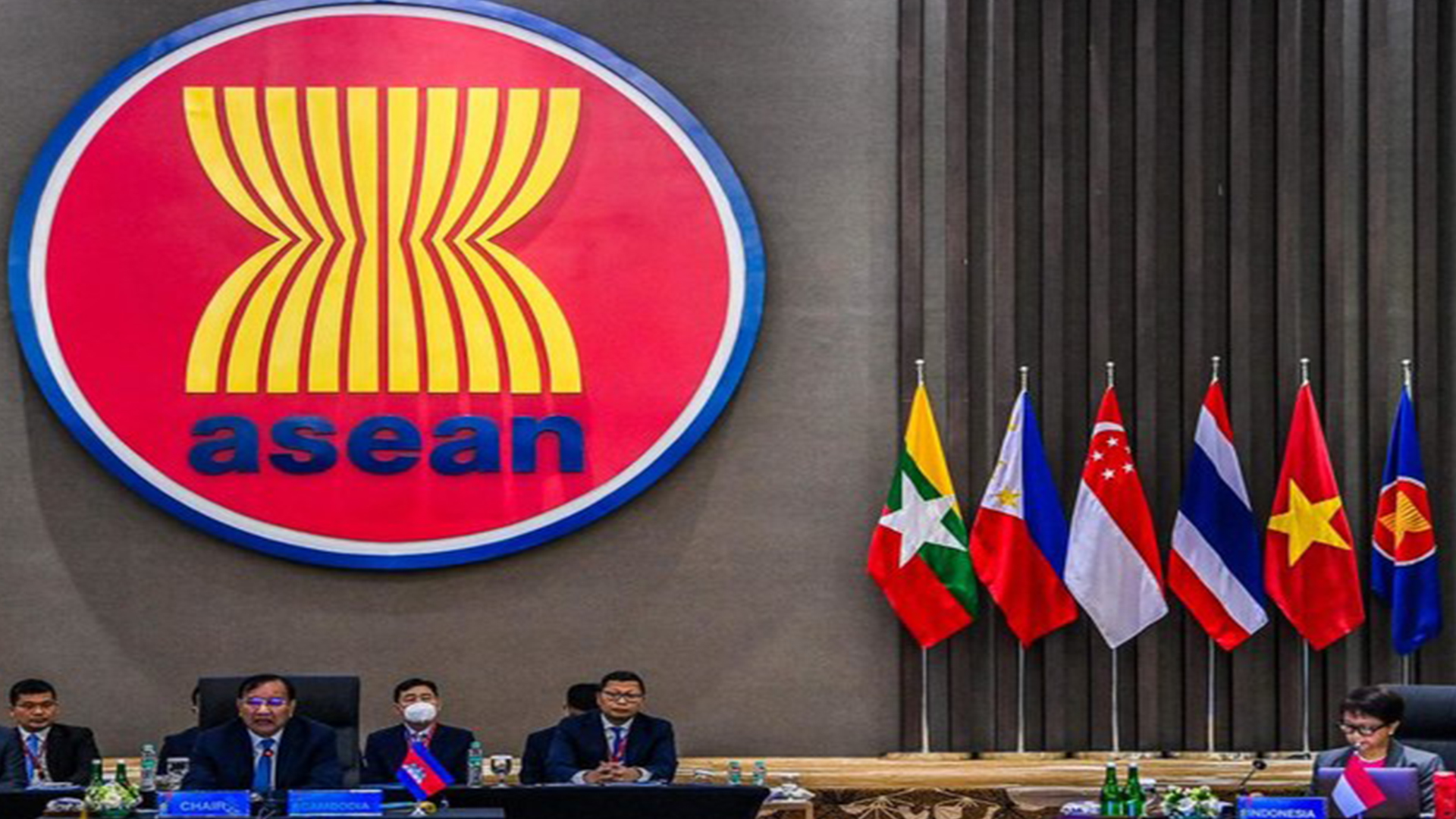
ERBIL (Kurdistan24) – Foreign ministers from the Association of Southeast Asian Nations (ASEAN) on Monday called on the United States and Iran to press ahead with negotiations to end the ongoing Middle East conflict and restore safe passage through the strategically vital Strait of Hormuz.
The appeal came during an online meeting of the 11-member bloc, held just hours before the United States Navy was set to begin enforcing a blockade on Iranian ports, following the collapse of talks between the warring sides in Pakistan.
In a joint statement, ASEAN foreign ministers urged both Washington and Tehran to “continue negotiations that will lead to the permanent end of the conflict and lasting peace and stability in the region.” They also emphasized the need for the “full and effective implementation” of an existing two-week ceasefire.
The ministers further called for the immediate restoration of “safe, unimpeded, and continuous transit passage” for vessels and aircraft through the Strait of Hormuz, a crucial maritime corridor through which around 20 percent of global seaborne oil trade flows, according to the International Energy Agency. Approximately 80 percent of that oil is destined for Asian markets.
The disruption has raised concerns among Southeast Asian economies heavily dependent on Middle Eastern oil supplies. Countries such as the Philippines and Malaysia have already begun implementing energy-saving measures.
The Philippines, which currently holds ASEAN’s rotating chairmanship, recently introduced a four-day work week for civil servants to reduce fuel consumption. Meanwhile, governments in Thailand and Vietnam have encouraged public employees to work remotely in response to the escalating crisis.
Tensions in the region intensified after U.S. President Donald Trump ordered the naval blockade, citing Iran’s refusal to abandon its nuclear ambitions as the reason behind the breakdown in negotiations.