Iran Conditions Strait of Hormuz Reopening on End to U.S. Naval Blockade
Tehran warns traffic will remain restricted as the ceasefire nears expiry and negotiations with Washington face major gaps
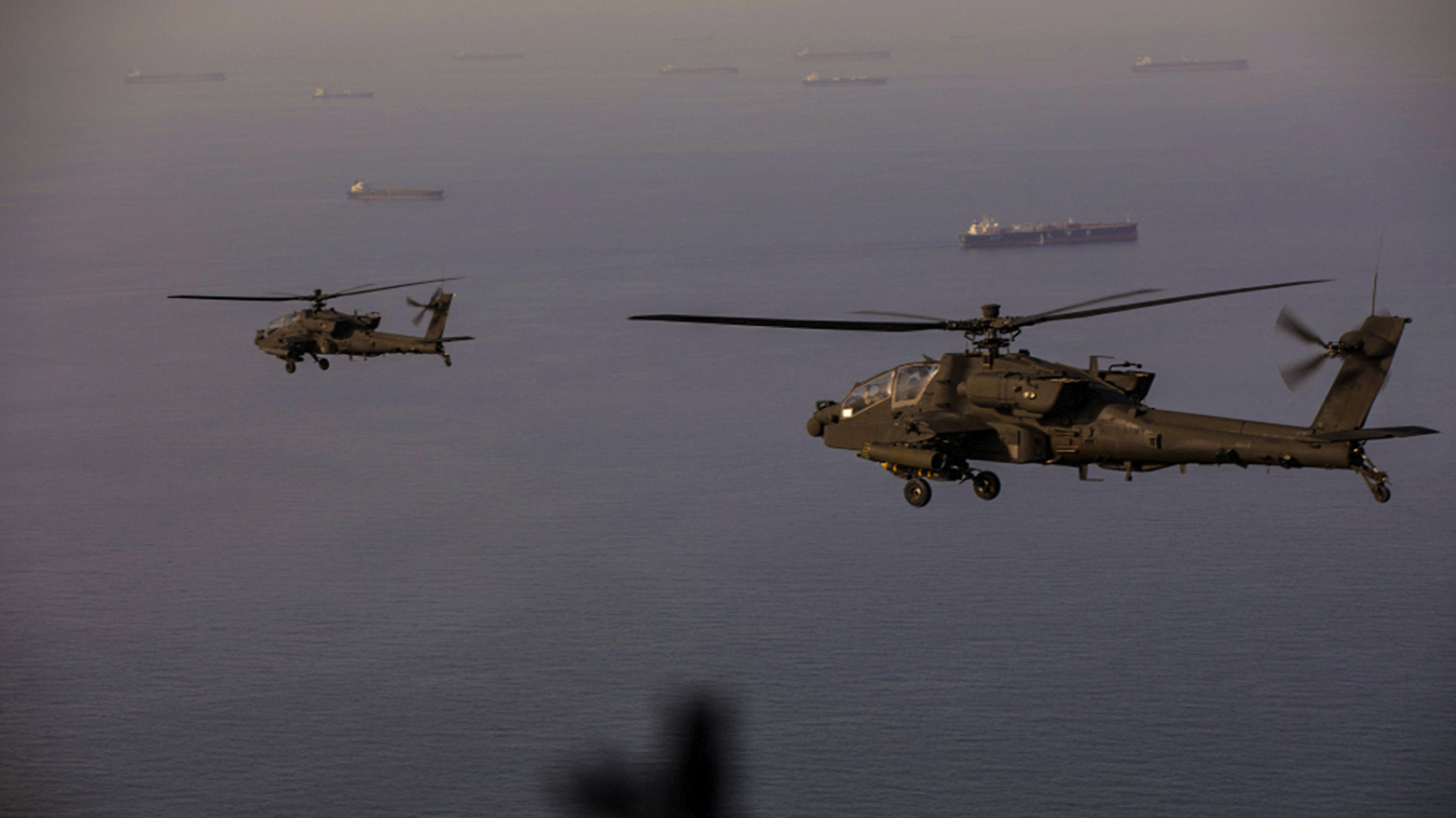
ERBIL (Kurdistan24) — Iran said Saturday that the Strait of Hormuz will not fully reopen unless the United States lifts its naval blockade on Iranian ports, underscoring the fragility of ongoing negotiations and raising fresh concerns over global energy flows.
Mohammad Bagher Ghalibaf, speaking in a televised address, acknowledged “progress” in talks with Washington but stressed that significant differences remain. “We are still far from the final discussion,” he said, referring to negotiations aimed at ending the conflict involving the United States, Israel, and Iran.
A two-week ceasefire linked to the broader confrontation is set to expire on Wednesday, adding urgency to diplomatic efforts. Meanwhile, Donald Trump said “very good conversations” were underway but warned Tehran against attempting to “blackmail” Washington.
The strait, which typically carries about a fifth of the world’s oil and liquefied natural gas shipments, had briefly reopened on Friday following a ceasefire agreement tied to Israel’s conflict with Hezbollah. The move initially buoyed global markets and drove oil prices lower.
However, after Trump reiterated that the U.S. naval blockade would remain in place until a comprehensive deal is reached, Tehran reversed course. “If America does not lift the blockade, traffic in the Strait of Hormuz will definitely be limited,” Ghalibaf said.
Iran’s supreme leader, Mojtaba Khamenei, stated in a written message that the country’s navy “stands ready” to confront the United States, signaling continued military readiness despite diplomatic engagement.
Tensions escalated further as Iran’s Revolutionary Guards warned that any vessel transiting the strait without authorization would be considered aligned with hostile forces and could be “targeted.”
Shipping activity reflected the uncertainty. While a small number of oil and gas tankers passed through the waterway during its brief reopening, most vessels withdrew by later in the day, according to tracking data.
Security incidents also intensified. A British maritime agency reported that Iranian forces fired on a tanker, while a separate intelligence firm said a cruise ship fleeing the Gulf had been threatened with destruction. In another case, a vessel was struck by an unidentified projectile, causing damage but no reported fire.
India’s foreign ministry said it had summoned Iran’s ambassador in New Delhi to protest a “shooting incident” involving two Indian-flagged ships, highlighting the growing international dimension of the crisis.
The developments underscore the high stakes surrounding the Strait of Hormuz, a critical chokepoint whose disruption continues to reverberate across global energy markets and geopolitical dynamics.