Iran Reviews New U.S. Proposals as Strait of Hormuz Tensions Escalate
Tehran signals no compromise in talks while Trump rejects “blackmail” amid ongoing maritime crisis
ERBIL (Kurdistan24) — Iran’s top security body said Saturday it is reviewing new proposals from the United States, signaling a possible diplomatic opening even as tensions remain high over the strategic Strait of Hormuz and ongoing regional conflict.
In a statement carried by state media, the Supreme National Security Council confirmed that “new proposals have been put forward by the Americans,” adding that Tehran has yet to formally respond.
Despite the review, the council stressed that Iran’s negotiators would make “no compromise, retreat, or leniency” in defending national interests.
The announcement comes amid renewed escalation between Tehran and Washington, with U.S. President Donald Trump warning Iran against using the Strait of Hormuz as leverage.
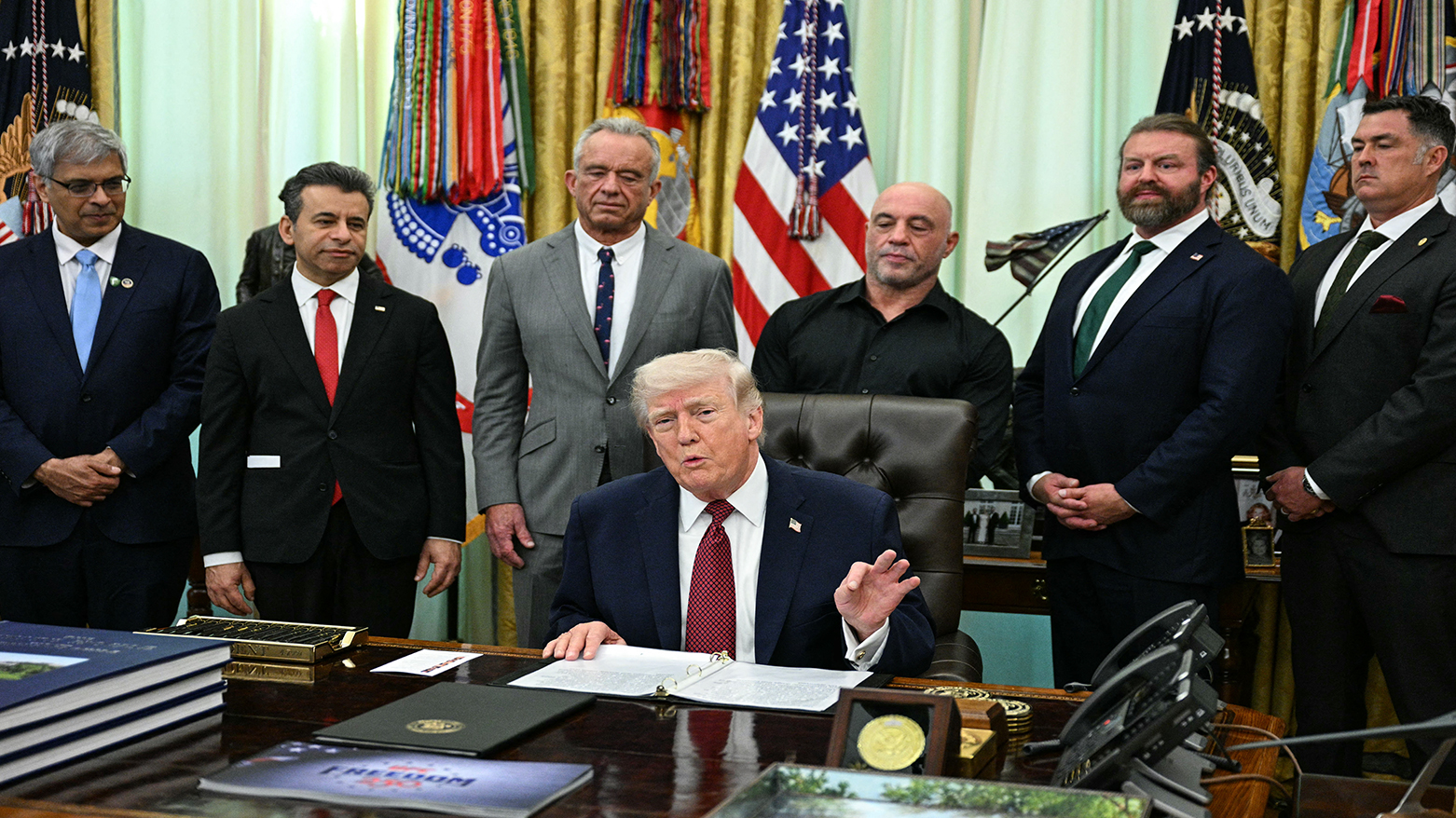
Speaking at a White House event on Saturday, Trump said Iran “cannot blackmail” the United States after Tehran declared the vital waterway closed once again.
Iranian officials, however, signaled a firm stance, stating they would maintain “supervision and control” over maritime traffic through the strait until the end of the ongoing war.
Tehran has tied any potential reopening to strict conditions, including issuing transit permits and imposing fees related to security and environmental services.
The Strait of Hormuz, a narrow chokepoint between the Persian Gulf and the Gulf of Oman, is one of the world’s most critical energy corridors, through which a significant portion of global oil shipments passes. Any disruption has immediate implications for international markets and regional stability.
Pakistan has emerged as a key intermediary in the talks. According to Iranian officials, the recent proposals were delivered with the involvement of senior Pakistani military leadership, following an initial round of negotiations hosted in Pakistan last week that ended without agreement.
The diplomatic efforts unfold against the backdrop of a broader U.S.-Iran confrontation that intensified following the outbreak of regional conflict earlier this year. Washington has imposed a blockade on Iranian ports, while Tehran has responded with a mix of military signaling and economic countermeasures, including threats to maritime navigation.
Meanwhile, the domestic situation inside Iran continues to draw scrutiny. Internet monitoring group NetBlocks reported that a nationwide internet blackout imposed at the start of the conflict has now entered its 50th consecutive day, describing it as “unprecedented for a connected society.”
The group warned that the disruption is severely affecting livelihoods and access to information across the country.
Analysts note that the parallel tracks of diplomacy and escalation reflect a familiar pattern in U.S.-Iran relations, where negotiations often proceed under pressure. The involvement of regional mediators such as Pakistan underscores growing concern that the standoff could further destabilize an already volatile Middle East.
With both sides maintaining hardline rhetoric, the fate of the latest proposals remains uncertain. However, the outcome of these deliberations could prove pivotal—not only for de-escalating tensions between Tehran and Washington, but also for restoring stability to one of the world’s most strategically vital waterways.