Ankara rejects White House advisor's charging Turkey with Islamism
“Radical Islamist ideology is a grave threat to all civilized people,” Gen. McMaster said this week.
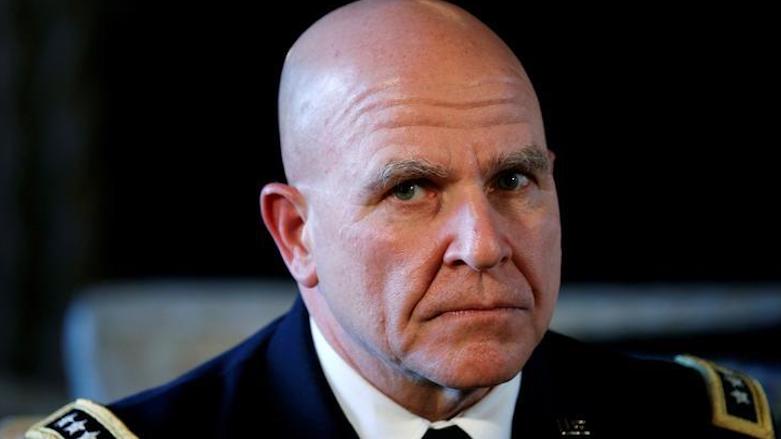
ERBIL, Kurdistan Region (Kurdistan 24) - Turkey's Foreign Ministry said White House National Security Advisor H.R. McMaster's this week accusation that Ankara government has become a significant supporter of radical Islam was unacceptable.
“The allegations made by Mr. McMaster, who is best placed to judge Turkey's ceaseless combat against terrorism and radicalism in all its forms and manifestations, are astonishing, baseless and unacceptable,” the Ministry said in a Wednesday press release.
“Radical Islamist ideology is a grave threat to all civilized people,” Gen. McMaster said at a Washinton DC event hosted by the Policy Exchange think tank.
“We didn’t pay enough attention to how it’s [political Islam] being advanced through charities, madrassas and other social organizations," he added before calling out Turkey along with Qatar as its leading proponents.
He blamed Ankara's divergence from the West on President Recep Tayyip Erdogan's policies.
"[It] is now done more by Qatar, and by Turkey," he went on, naming the two countries allied against a recent policy change sweeping across Arab Gulf countries such as Saudi Arabi and UAE that are taking on Islamist ideology and movements.
“We expect the United States, which we continue to recognize as our friend and ally, to display the same stance to our country, to cease all forms of cooperation with terrorist groups such as YPG," the Turkish statement read. Later on Friday, the statement was removed from the ministry's website.
YPG or the People's Protection Units is a Kurdish force militarily supported by Washinton in the war with the Islamic State (IS) group in Syria despite years-long fierce objection from Ankara.
Turkis government said it hoped the US would provide "more concrete and effective support in our ongoing determined fight against terrorism and radicalism in line with our traditional ties of alliance and international legitimacy.”
Relations between the two NATO allies have soured over conflicting policies in the Syrian civil war, continued US support for the YPG and an ongoing case at a federal New York court involving Turkish government-affiliated figures accused of evading sanctions on Iran.
President Donald Trump's recognition of Jerusalem as Israel's capital has added to the strained ties with Erdogan assuming a leading role among leaders of Muslim-majority countries in defense of the Palestinian cause and claim on the contested city.
Editing by Sam A.