Iraq will comply with OPEC+ agreement to cut oil production: Minister
Iraqi Oil Minister Thamer Ghadhban on Friday confirmed his country’s commitment to an output-cutting deal made by an alliance of oil giants known as OPEC+ that aims to bolster petroleum prices and “restore balance between supply and demand“ in the market.
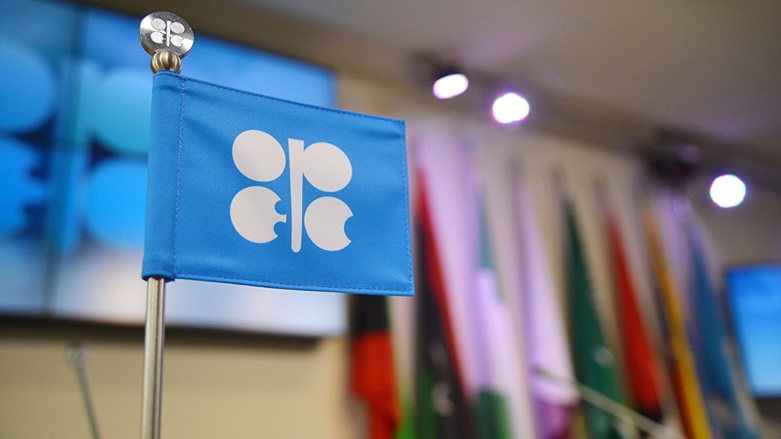
ERBIL (Kurdistan 24) – Iraqi Oil Minister Thamer Ghadhban on Friday confirmed his country’s commitment to an output-cutting deal made by an alliance of oil giants known as OPEC+ that aims to bolster petroleum prices and “restore balance between supply and demand“ in the market.
In a statement, Ghadhban said that he had asked oil officials to take urgent measures to comply with the cuts proposed by the group, consisting of members of the Organization of the Petroleum Exporting Countries (OPEC) and additional non-member states such as Russia.
“(Ghadhban) reaffirmed the ministry’s compliance to keep national oil output at an average of 4.513 million [barrels per day] bpd in the next six months,” read the statement issued by Iraq’s Oil Ministry.
“The ministry has taken measures to implement the reduction of production by three percent, which constitutes about 140,000 [bpd] of the total production of Iraq.”
The production cut came in accordance with the agreement by OPEC+ members to a 1.2 million bpd reduction in 2019, made at a meeting held in Vienna last month.
The Iraqi minister stated that his country has played a significant role, along with other oil producers, to reach such a deal to find “logical and realistic solutions to the challenges of the global oil market to control the oil supply gap and work to restore balance between supply and demand, which in turn will support oil prices,” according to the ministry’s statement.
Iraq, OPEC’s second-largest oil producer following Saudi Arabia, almost entirely relies on oil to generate its revenue. Over the past few years, the country has faced budget deficits due to the market’s unstable oil prices.
As part of the new OPEC+ agreement, OPEC members are required to cut annual production by a combined 800,000 bpd and non-OPEC members, namely Russia, have to make a total reduction of 400,000 bpd.
Editing by John J. Catherine