Foundations of Partnership and Equality in Iraq Have Eroded, Says KDP Lawmaker
Party spokesperson warns of deepening political imbalance and security failures in Iraq
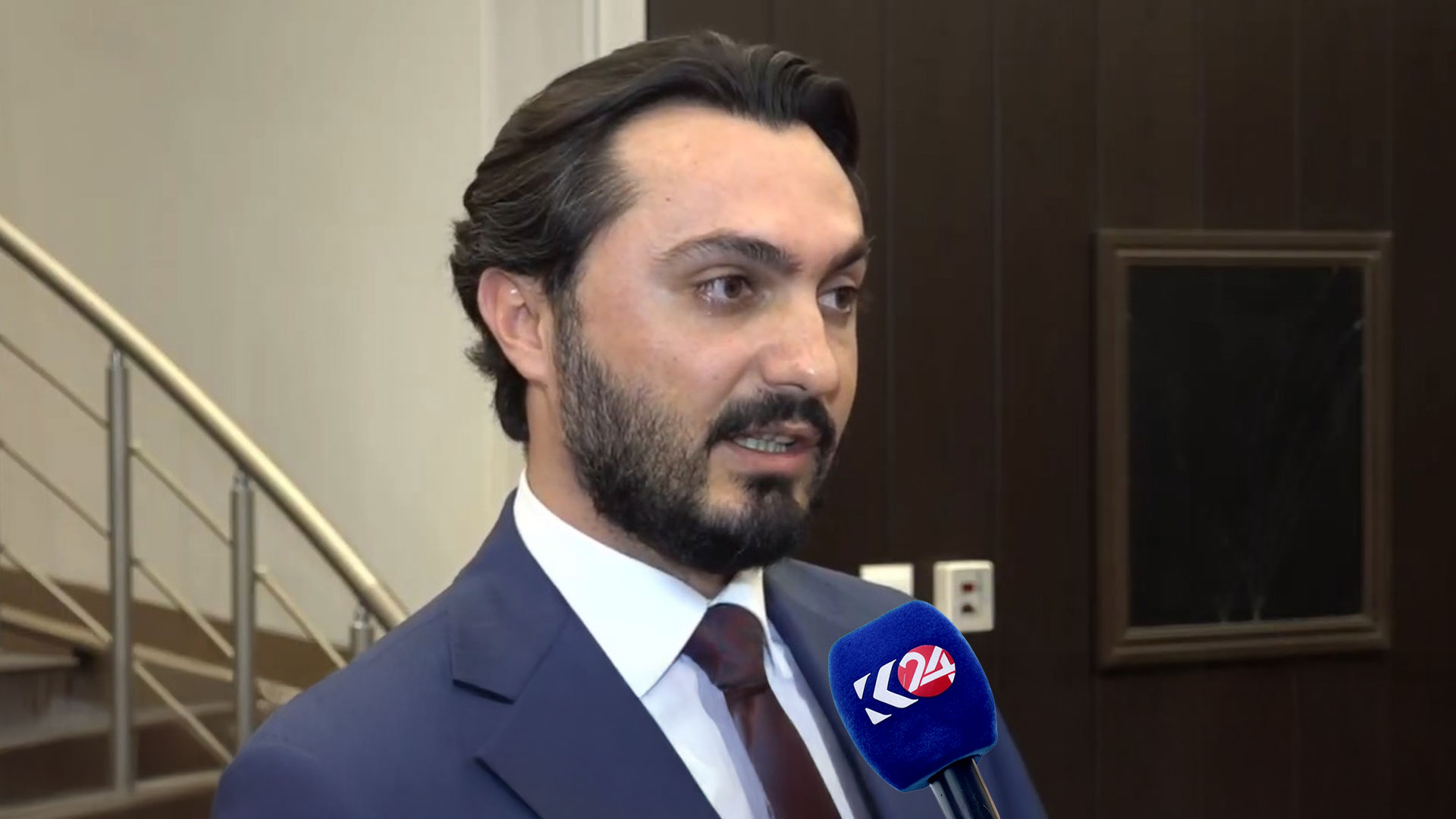
ERBIL (Kurdistan24) — A spokesperson for the Kurdistan Democratic Party (KDP) bloc in Iraq’s parliament has reaffirmed that their presence in the Iraqi parliament represents the Kurdish participation in that institution, while warning that Iraq’s government is failing to ensure security for its citizens and the Kurdistan Region.
Speaking late Saturday during an appearance on Kurdistan24, Daner Abdulghafar, spokesperson for the KDP parliamentary faction, addressed ongoing political developments in Iraq, emphasizing that the party’s presence in parliament “means the presence of Kurds within that institution,” and that its political agenda serves the entirety of Iraq.
Abdulghafar revealed that a planned visit by an Iraqi parliamentary delegation to the Kurdistan Region had been postponed due to continued disagreements over the selection of a prime ministerial candidate.
Despite the delay, he expressed appreciation for the initiative, emphasizing that the KDP's presence in the parliament means Kurdish representation in Baghdad's institutions
Addressing the distribution of key political positions and the issue of balance among Iraq’s components, Abdulghafar said the KDP had not initially insisted on securing the presidency. However, he warned that recent political dynamics suggest a shift “toward a direction where the balance among components is no longer being respected.”
He also rejected accusations that Kurdish parties are responsible for Iraq’s prolonged political deadlock. “Previously, some Iraqi political actors claimed that Kurds were behind the paralysis of the political process,” he said. “Now it is clear to everyone that the crisis lies within the Coordination Framework itself, which has failed to agree on a candidate for prime minister.”
Abdulghafar issued a stark warning about the erosion of state-building principles in Iraq, stating that “the foundations of partnership and equality no longer exist,” and that institutional balance has deteriorated across the country. He described this trajectory as “a dangerous beginning for the future of Iraq.”
Reiterating the KDP’s position, he said the party remains committed to upholding the Iraqi constitution and pursuing a political strategy that serves all Iraqis, not just the Kurdistan Region.
Highlighting broader challenges, Abdulghafar pointed to worsening economic and security conditions, arguing that the federal government is unable to protect its citizens or the Kurdistan Region.
He noted that the region continues to face near-daily drone and missile attacks, underscoring what he described as Baghdad’s inability to provide adequate security.
In recent weeks, the KDP has stepped up calls for restoring balance and adherence to constitutional principles in Baghdad, warning that the foundations of Iraq’s power-sharing system are being undermined.
Party officials have highlighted disputes over key federal positions and delays in the political process, arguing that consensus-based governance—long seen as essential to stability within the Council of Representatives of Iraq—is increasingly being sidelined.
KDP representatives frame their position as a measured effort to safeguard fair representation and protect the rights of all components, emphasizing that continued engagement in Baghdad should be grounded in genuine partnership, constitutional respect, and equitable decision-making.