WHO, Iraq work to improve nation's poor food safety
A mission of international experts organized by the World Health Organization (WHO) recently visited Iraq to assess the current state of food safety in the nation and, on Sunday, made recommendations to improve it.
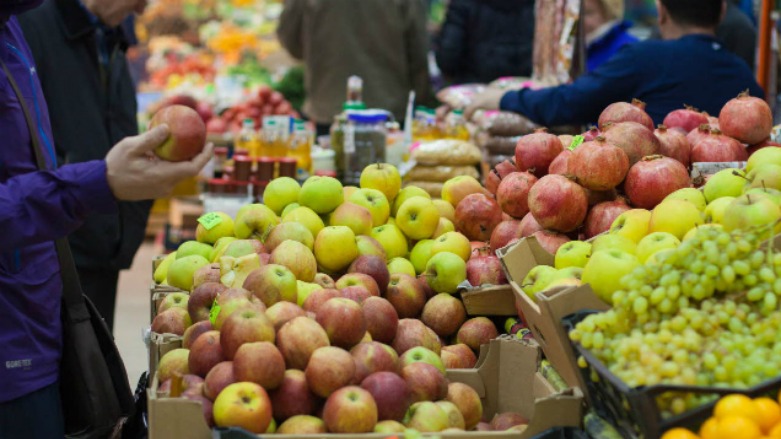
ERBIL (Kurdistan 24) – A mission of international experts organized by the World Health Organization (WHO) recently visited Iraq to assess the current state of food safety in the nation and, on Sunday, made recommendations to improve it.
The WHO set up the team in response to an official request from the Iraqi Ministry of Health and Environment, read a WHO statement.
The mission experts conducted "field visits, meetings and a joint workshop on Food Safety and Quality Assurance between 27 – 31 January 2019."
While touring laboratories of various public institutions and health facilities, the experts met with a wide range of officials and "assessed the work done in terms of food safety analysis and assessment, lab tests, sampling as well clearance of tested items."
The group then discussed their valuations in a 2-day workshop attended by minister Alaa Alwan, acting WHO representative to Iraq, representatives of various United Nations agencies, and a number of Iraqi officials.
"It is very important to assess the safety of food and focus on how to control diseases. Food safety is an important issue and a global problem, which causes the death of more than two million people annually, most of which are children," said Alwan at the start of the event, according to the WHO statement.
Alwan further pointed to Iraq's shortcomings stunting effective food safety measures and affirmed "the importance of prioritizing the development of a system that involves all concerned sectors to ensure an objective work plan is in place."
"Ensuring food safety is one of the most important measures which WHO is keen to implement in Member States," said Adham Ismail, Acting Representative of the WHO in Iraq, during the event.
"Such activity helps governments in mitigating the risk of food-borne illnesses and/or health-related conditions."
The experts then laid down their recommendations for the Iraqi government to tackle food safety deficiencies, focusing on issues it listed as, "Inter-sectoral coordination; Laws, regulations and implementation of food safety policy; Emergency preparedness and response; Foodborne disease surveillance and response; Food safety monitoring and Inspection; Information and communications; and Human resources and finances."
Editing by John J. Catherine