Iraqi Authorities Detain Kirkuk Internal Affairs Police Chief on Corruption Charges
Brigadier General Mohammed Atiyya, the Director of Internal Affairs Police in Kirkuk, arrested on corruption and checkpoint extortion charges following Iraq's Interior Ministry order.
ERBIL (Kurdistan24) - Authorities in Baghdad have detained Brigadier General Mohammed Atiyya, the Director of Internal Affairs Police in Kirkuk, following a formal order from the Iraqi Interior Minister. The senior official was removed from his administrative post and taken into custody on Saturday to face charges involving multiple counts of corruption and the solicitation of extortion payments.
According to a senior security source in Kirkuk who spoke to Kurdistan24's correspondent Soran Kamaran on Monday, the Brigadier General is currently undergoing legal procedures managed by the Iraqi Ministry of Interior.
The allegations against the official center on the systematic misuse of authority at major transit points.
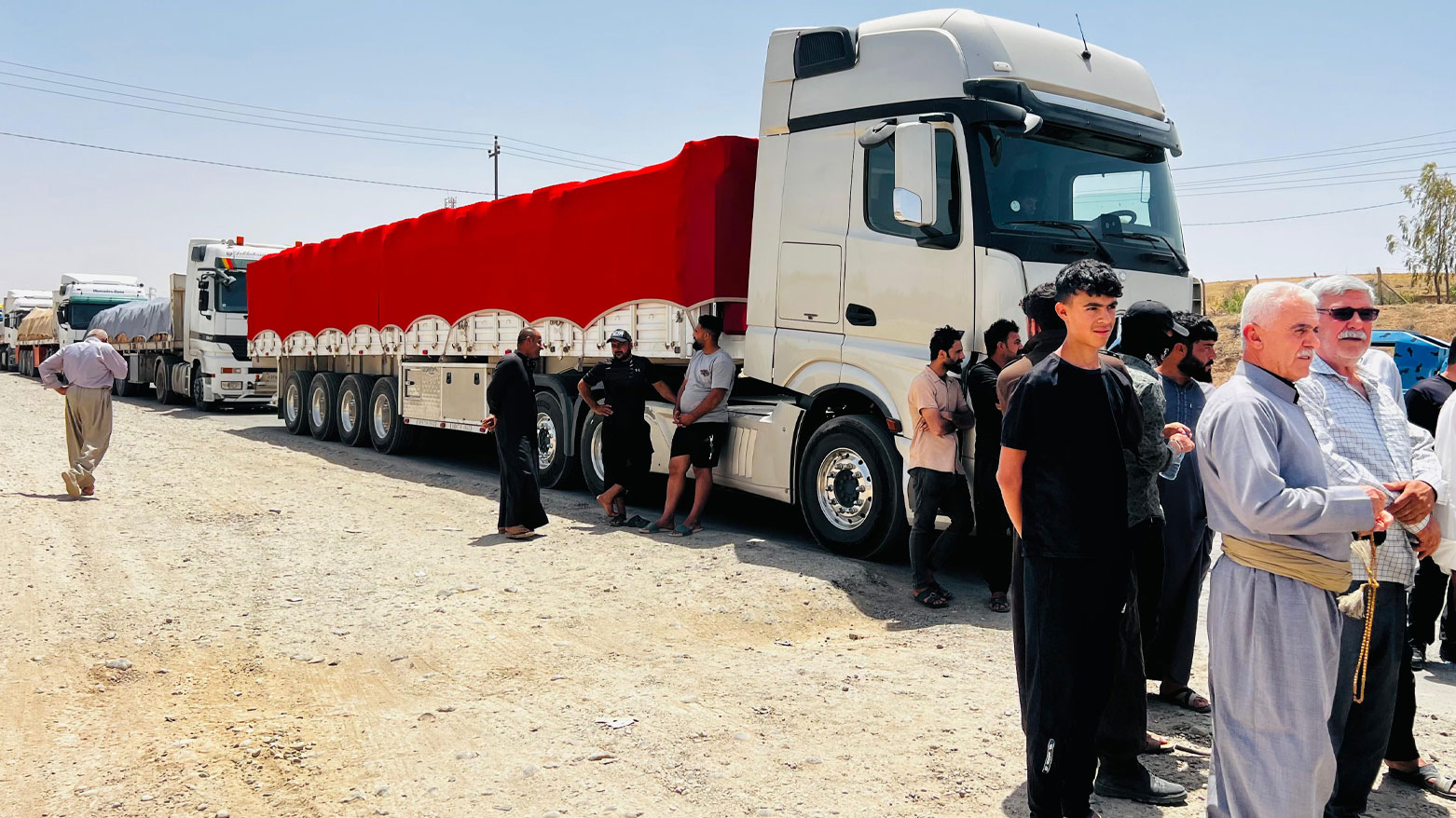
Specifically, authorities reported that the director is accused of permitting the passage of unauthorized, untaxed, and expired commodities through the Chiman and Daraman checkpoints.
The investigation indicated that these goods included unlicensed shipments of eggs and animal products, which were allegedly allowed to enter the market in exchange for payments taken from commercial traders.
Accountability in Security Institutions
The arrest of a high-ranking officer within the Internal Affairs department, locally referred to as "Shu'un",carries significant weight for the regional governance framework.
Internal affairs units are designed to function as the primary oversight mechanism within the police force, tasked with ensuring the integrity of personnel and enforcing the rule of law.
When leadership within these oversight bodies is implicated in the very conduct they are mandated to prevent, it underscores the systemic challenges facing Iraq's anti-corruption efforts.
Institutional accountability in this context is viewed as a prerequisite for maintaining public trust in the security apparatus and ensuring that state institutions operate without interference from illicit financial networks.
Corruption Investigation Underway
The report stated that the investigation was catalyzed by a separate security operation at the Prde checkpoint.
Authorities there apprehended two employees affiliated with the Kirkuk Internal Affairs directorate who were found in possession of several mobile devices and six bank cards.
During subsequent questioning, the detained employees reportedly confessed to operating on behalf of Brigadier General Atiyya.
According to the investigation, the subordinates claimed they were tasked with collecting approximately four thousand dollars in illicit daily payments at the checkpoint.
Security sources indicated that the situation escalated when the Brigadier General allegedly mobilized an armed force with the intent of intercepting the detention of his employees and securing their release.
This attempt to bypass standard legal channels reportedly prompted the Iraqi Ministry of Interior to intervene directly, resulting in the final executive decision to remove Atiyya from his post and place him under arrest.
This case reflects a broader effort by national authorities to address the intersection of security and economic misconduct.
By targeting senior officials suspected of checkpoint extortion, the ministry aims to secure supply chains and ensure that domestic trade remains within a legal, taxed framework.
The case remains under active judicial review as authorities continue to evaluate the evidence regarding the alleged smuggling networks.
The proceedings against the former Kirkuk Internal Affairs chief reflect ongoing institutional efforts to enforce accountability and uphold the integrity of security agencies within the country’s current legal-administrative structure.
Soran Kamaran, Kurdistan24 correpondent in Kirkuk, contributed to this report.