COVID-19: Iraq reports 4,314 new infections, closes border for Shi’ite religious visits
Iraq’s Ministry of Health and Environment on Monday, announced that there had been 77 deaths from the coronavirus and 4,314 new infections in the past 24 hours.
ERBIL (Kurdistan 24) – Iraq’s Ministry of Health and Environment on Monday, announced that there had been 77 deaths from the coronavirus and 4,314 new infections in the past 24 hours.
In a statement, the ministry said that it had conducted 24,318 tests in that period, making for a total of 1,765,247 tests that have been carried out, since the virus first appeared in Iraq.
According to the ministry, the number of coronavirus infections in the country has reached 264,684, including 202,859 recoveries and 7,589 deaths.
It should be noted that a coronavirus “recovery” does not necessarily mean that the infected person has fully healed. Studies suggest that even after the virus has left one’s body, a recovered person can still suffer lingering symptoms that can seriously affect their health, even in individuals who suffered only a “mild” case of the disease.
Closure of Religious Sites to Foreign Visitors for Arba’een
Shi’ite Muslims mark the martyrdom of the grandson of the Prophet Mohammed on the tenth day of the month of Muharram, Ashura. That holiday was August 28 and 29. Despite the rapid increase in coronavirus cases in Iraq, many pilgrims, nonetheless, ignored the measures regularly prescribed by public health authorities.
Read More: Iraq warns large gatherings increase COVID-19 cases, reports 4,500 new infections
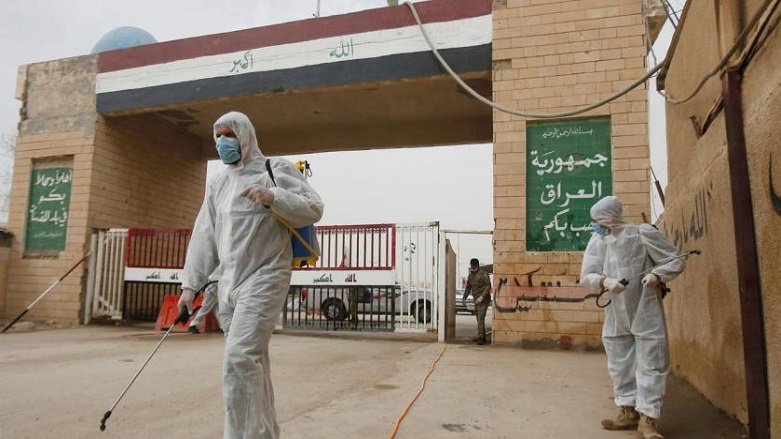
Thus, on Monday, Iran’s ambassador to Iraq, Iraj Masjedi, announced that Baghdad has temporarily banned further religious visits to the country, including from Iran.
"The Iraqi government, in light of the coronavirus crisis, informed us that it will not allow the entry of visitors from Iran or any other country,” Masjedi said, as he added, "This indicates that the religious visit, known as Arba’een” will not happen “and the entry of foreign visitors to Iraq during the current year has ended.”
Arba’een—fortieth—marks the end of the forty-day mourning period for the Imam Hussein. It is held annually in Karbala and is a huge public gathering, regularly involving tens of millions of people.
Failure to Observe Preventive Health Measures during Ashura
But because of the way that pilgrims behaved on Ashura, the Arba’een will not be held this year, at least for foreigners.
Many of the people attending the Ashura ceremonies could be seen wearing masks, which were handed out for free. But in precisely the kind of behavior that health officials around the world have consistently and emphatically warned against, large numbers of the faithful crowded together in very close proximity for hours on end.
Late on Friday evening, the Iraqi Ministry of Health warned of "losing control" over the coronavirus in Iraq, claiming that the large, tightly-packed gatherings during the Ashura processions had exacerbated the crisis.
The ministry stressed several times the importance of the need to take seriously the preventive measures: wear a mask; practice social distancing; and avoid mass gatherings.
"Most of the Hussaini gatherings adhered to the preventive measures, but we saw many large gatherings in many places such as streets, markets, restaurants, etc., without taking any of the measures recommended by our ministry," Iraq’s Health Ministry complained.
Friday’s statement from the Health Ministry also explained that those gatherings had caused an increase in coronavirus infections. "The number will continue to rise in the coming days, and we fear it will lead to a loss of control of our health institutions in dealing with" it.
Editing by Laurie Mylroie