Youthquake in Iraq: One Million New Voters Set to Shape 2025 Election
It also signifies that political campaigns and policies must evolve to meet the demands of tech-savvy, innovation-driven youth, focusing on key issues like digital connectivity, job creation, and growth opportunities.
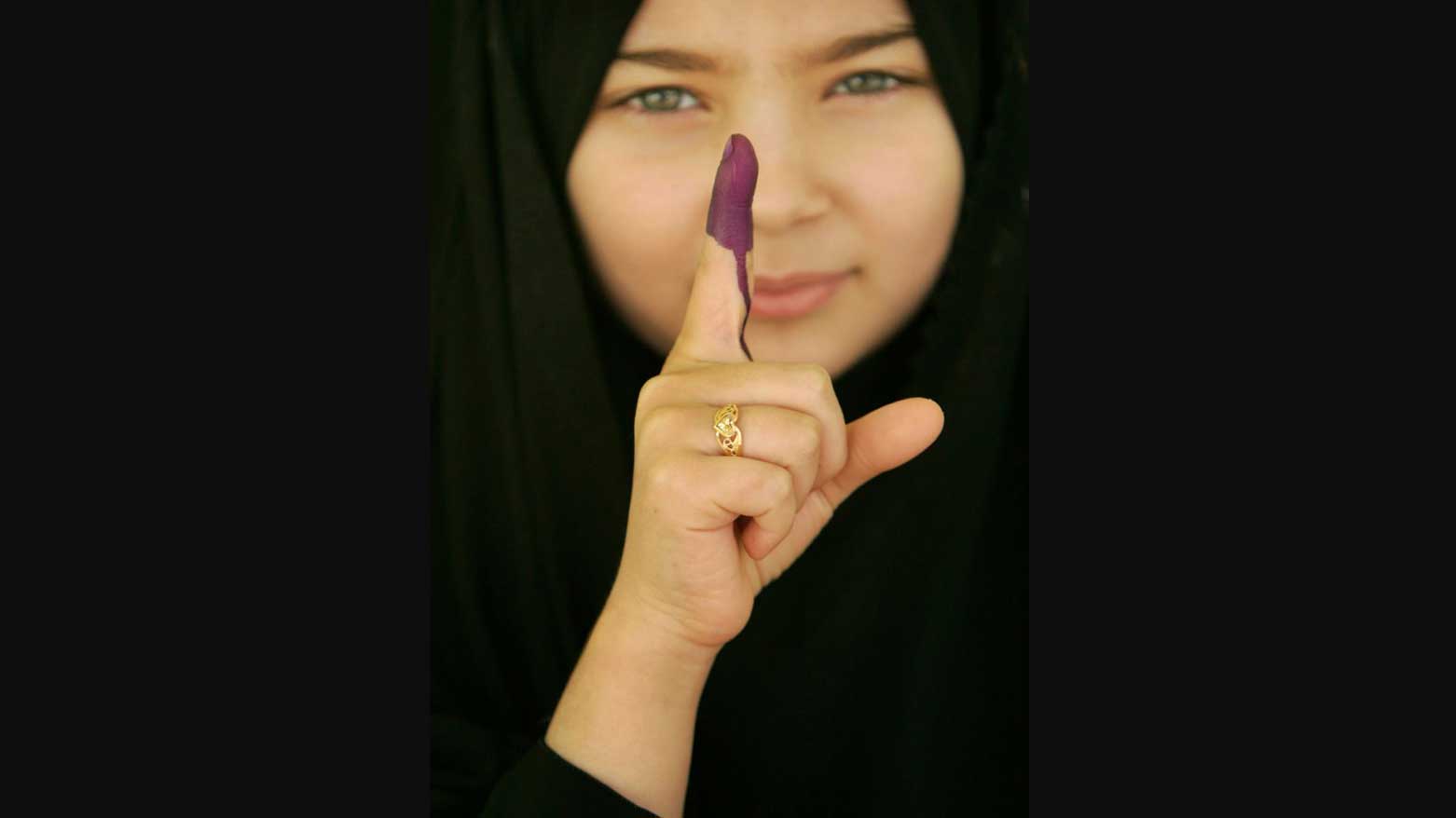
ERBIL (Kurdistan24) – Iraq's High Electoral Commission (IHEC) has announced a significant update to the voter registry ahead of the 2025 parliamentary elections, including an increase of over 1 million new voters born in 2007. The updated registry now includes nearly 29 million voters who will have the right to participate in the upcoming elections.
On Sunday Nibras Abu Suodeh, a spokesperson for the IHEC, confirmed that over 10,000 biometric registration centers had been established across the country to allow citizens to update their voter information. These centers have been set up to ensure that voters are properly registered, especially new voters, and to integrate biometric data to further enhance election security.
Abu Suodeh highlighted that the updated voter registry includes many young Iraqis born in 2007, who have now reached the legal voting age. This addition represents a significant shift, reflecting the country’s growing electorate. The IHEC also emphasized that the voter list would be updated regularly over the next decade, with data being sent to the Ministry of Trade for further processing.
In the same statement, Abu Suodeh noted that the total number of eligible voters now stands at around 29 million, underscoring the importance of accurate voter registration in the lead-up to the election. The IHEC began updating the registry last Tuesday, and the process will continue until the elections are held.
This influx of young voters, all aged 18 and eligible to participate in the upcoming election, raises important questions about the implications for Iraq's society, economy, and politics.
The addition of over one million voters in a single year is not merely a number; it reflects broader trends in Iraq’s demographic profile. From a statistical standpoint, the emergence of one million new voters in a year indicates a notable increase in the youth population, a key marker of societal development. The question arises: What does it mean for a country to suddenly witness such a large influx of youth reaching the legal voting age?
A surge in voters of this magnitude suggests that Iraq is experiencing a youth bulge—a situation in which a significant proportion of the population consists of young individuals. This has both positive and negative implications for the country. On the one hand, it signifies a dynamic and youthful society with a large working-age population, which can drive economic growth, innovation, and social change. On the other hand, it also presents challenges related to unemployment, education, and social integration, as the country will need to find ways to harness the potential of its young population to avoid a youth unemployment crisis.
This demographic shift also offers insight into Iraq's population structure. As one million young Iraqis reach adulthood in a single year, it highlights the nation's growing youthful population, with an ever-larger proportion of the country’s citizens entering the workforce and becoming active participants in civil and political life.
If we zoom out and look at broader population trends, such a high number of youth entering the voting age indicates a shifting society—one that may have a higher percentage of young people compared to older generations. This can influence national policies, with a possible focus on youth-centered initiatives, including education, job creation, and youth empowerment.
From a societal standpoint, this demographic change suggests that Iraq is leaning toward becoming a younger society, where the majority of the population may be made up of people under the age of 40. This has profound implications for the political landscape as well.
A younger electorate is likely to have different concerns and priorities, such as access to education, employment, technology, and social equality. It also means that political campaigns and policies may need to adapt to address the specific needs of young voters who are more attuned to issues like digital connectivity, innovation, and employment opportunities.
In conclusion, the emergence of over one million new voters at once is not just a statistical anomaly—it’s a reflection of Iraq’s demographic evolution. It indicates that the country’s political future will be shaped by the priorities of a youthful electorate, marking a pivotal moment in Iraq’s modern development. The government and policymakers will need to ensure that they are in tune with the aspirations of this young generation, which could very well redefine Iraq’s social, economic, and political future.