US–Iran Nuclear Talks Advance Toward Technical Phase, Mediated by Oman
Technical Talks Set for April 23, Followed by High-Level Session in Oman on April 26 to Shape Framework of Potential Deal — Araghchi Confirms U.S. Has Not Raised Issues Beyond Iran’s Nuclear Program.
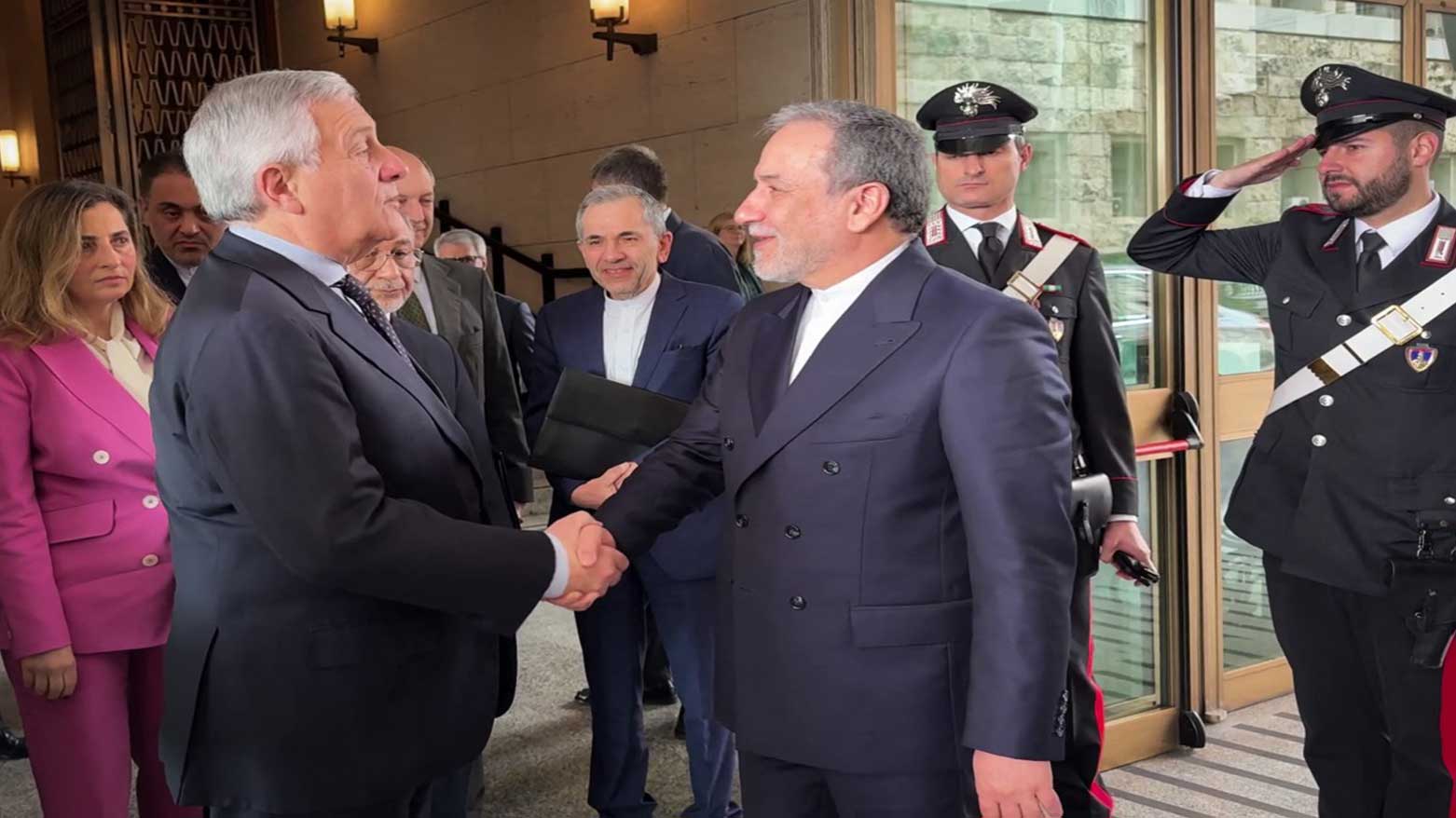
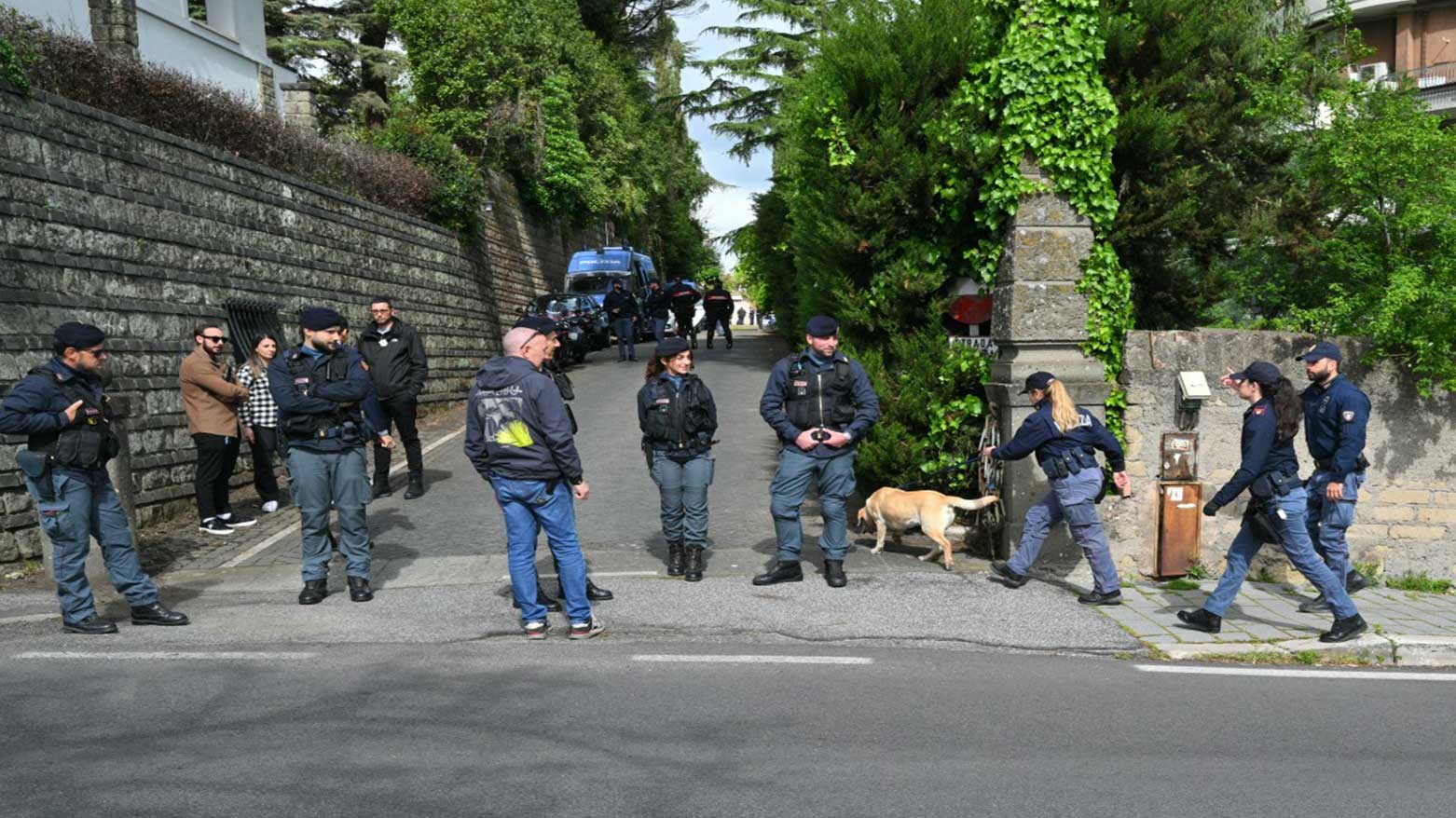
ERBIL (Kurdistan24) — The nuclear negotiations between the United States and Iran have entered a more serious and technical phase, signaling measured progress toward a potential agreement that would prevent Iran from acquiring nuclear weapons while allowing it to maintain a peaceful nuclear energy program. The talks, held "directly" in Rome and mediated by Oman, mark a key step in a diplomatic process that has long been fraught with geopolitical tension and mistrust.
According to a statement issued by Oman’s Foreign Ministry on Saturday, the two sides have "agreed to enter into the next phase of their discussions that aim to seal a fair, enduring and binding deal which will ensure Iran completely free of nuclear weapons and sanctions, and maintaining its ability to develop peaceful nuclear energy."
#Statement || A spokesperson for Oman’s Foreign Ministry confirmed that in today’s meeting in Rome, Iran’s Foreign Minister Dr. Seyed Abbas Araghchi and US Presidential Envoy Steve Witkoff, through the mediation of Oman’s Foreign Minister Sayyid @badralbusaidi , pic.twitter.com/vuZSvvQw7s
— وزارة الخارجية (@FMofOman) April 19, 2025
The statement follows the conclusion of the second round of direct negotiations, led by Iranian Foreign Minister Abbas Araghchi and U.S. Special Envoy to the Middle East Steve Witkoff. The session was facilitated by Omani Foreign Minister Badr bin Hamad Al Busaidi, who shuttled between the delegations in a closed-door setting in Rome.
Despite speculation that Washington might push to expand the agenda beyond Iran’s nuclear file—potentially raising concerns about Tehran’s ballistic missile program and its ties to regional proxy groups—Foreign Minister Araghchi said no such issues were broached.
"The Americans have not raised any issues unrelated to the nuclear topic so far," he told the Iranian news agency Tasnim, reinforcing Tehran’s position that talks must remain strictly confined to the nuclear issue.
Iranian Foreign Ministry spokesperson Esmaeil Baqaei confirmed that the negotiations would resume “on the technical level next week,” indicating that the parties had reached a preliminary understanding of key principles. “Helpful indirect negotiations were held today… in a constructive atmosphere,” Baqaei said on social media platform X, adding that technical discussions would begin Wednesday, April 23, followed by another high-level session in Oman on Saturday, April 26.
There were useful indirect talks today between Iran and the United States conducted by Oman Foreign Minister in a constructive atmosphere.
— Esmaeil Baqaei (@IRIMFA_SPOX) April 19, 2025
The two sides agreed to continue the indirect talks in few days at technical level to be followed by another round at their own level on…
Araghchi also noted that the next stage would involve expert-level meetings to develop the technical framework of the potential agreement. However, he cautioned that it was still “too early” for the International Atomic Energy Agency (IAEA) to be directly involved.
The initial round of discussions took place in Muscat, Oman, on April 12, setting the stage for Saturday’s session in Rome. These latest developments suggest that the parties may have successfully bypassed early sticking points, such as concerns over “excessive demands” from Washington—particularly those touching on Iran’s defensive capabilities, which Tehran had previously designated as non-negotiable red lines.
“We were able to reach a better understanding about a series of fundamentals and objectives,” Araghchi told reporters following the talks, expressing cautious optimism while acknowledging that much work remains.
As both sides prepare to enter the technical phase of negotiations, the world watches closely. A breakthrough could represent not only a major step toward nuclear non-proliferation in the Middle East but also a potential easing of decades-long hostilities between Tehran and Washington.