Iraqi Militia Leader Warns of Renewed Strikes on U.S. Bases as Armed Groups Upgrade Capabilities
Al-Nujaba official says Iraqi resistance is modernizing weapons with Yemen’s armed forces and preparing “unfamiliar targets” that could impact both U.S. forces and Israel.
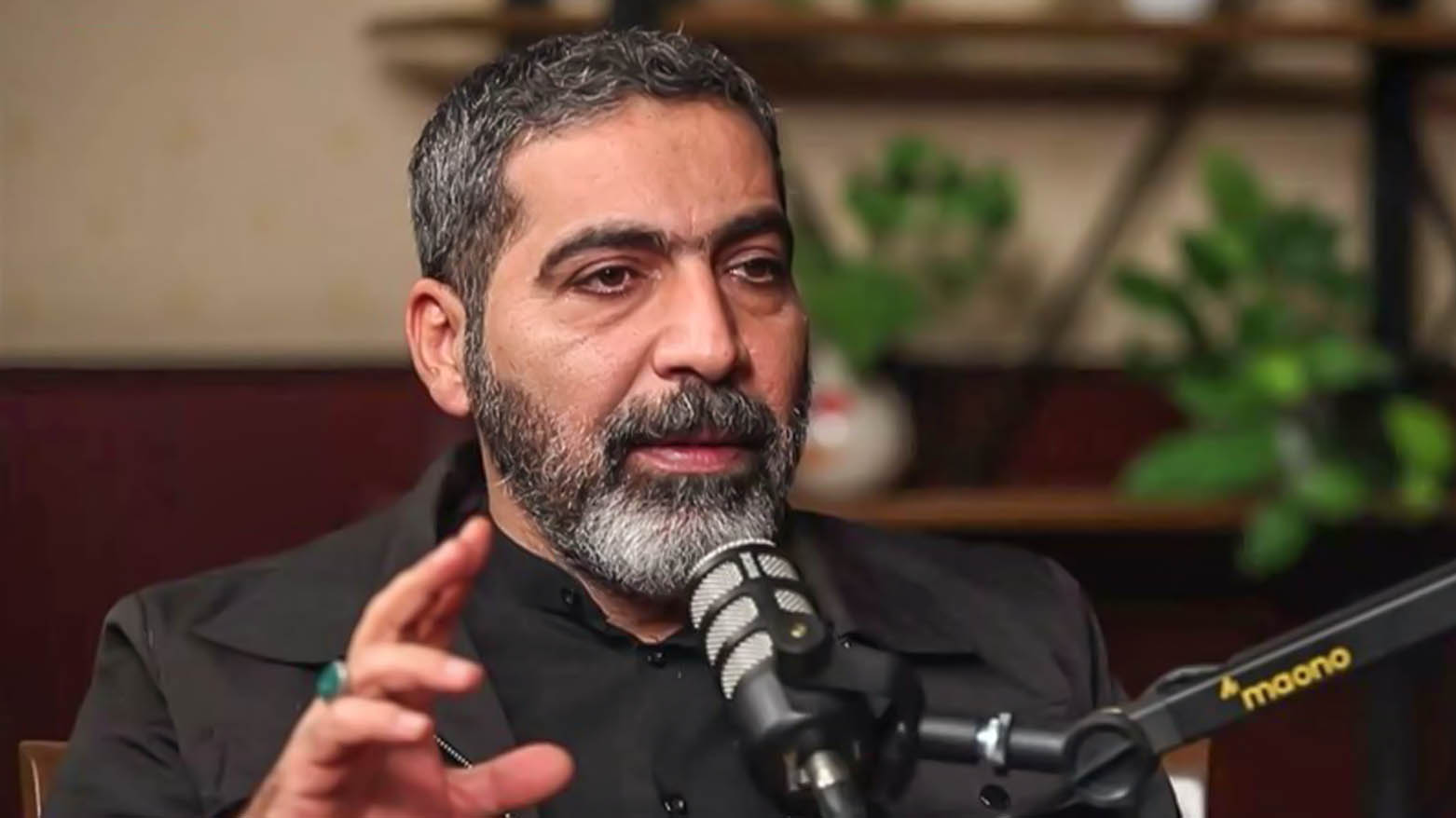
ERBIL (Kurdistan24) — A senior official from Iraq’s Harakat al-Nujaba movement warned that U.S. bases in the country could be targeted again at any moment, stressing that the Iraqi resistance “cannot accept the continued presence of American forces.”
Firas al-Yasser, a member of the group’s political council, told Iran’s Tasnim News Agency that Iraqi armed factions are now engaged in significant operational upgrades, including enhanced communications systems, fortified command structures, and strengthened security around militia headquarters and their leaders.
He revealed that the Iraqi resistance is also cooperating with Yemen’s armed forces on weapons development, including missile technology and advanced GPS-guided targeting.
“This progress is substantial,” he said, noting that al-Nujaba and other factions aim to benefit from Yemen’s rapid advancements in strike capabilities.
Al-Yasser said Iraqi groups gained valuable experience after taking part in support operations for Palestinian factions following the October 7 cross-border attack by Hamas militants against Israel, arguing that geographical distance is no longer an obstacle.
He claimed the participation allowed Iraqi groups to test long-range operational capabilities that could be used in future confrontations.
The official also said that the resistance is revising its target set, moving toward “unfamiliar and painful” objectives that could have a serious impact on both Israel and U.S. forces in Iraq and across the region if conflict escalates.
Al-Yasser criticized recent statements from the U.S. State Department that American forces have no intention of fully withdrawing from Iraq, claiming Washington seeks to maintain its presence because Iraq remains strategically crucial for U.S. regional policy.
He argued that the U.S. position reflects what Iraqi militias consider an illegitimate military presence. “The American presence is not friendly to Iraq,” he said, insisting that resistance factions view targeting U.S. forces as a legitimate act.
Despite the current political and security sensitivities inside Iraq, al-Yasser reiterated that armed factions will not accept the long-term deployment of U.S. troops. “At any moment, strikes on American bases may resume,” he warned.
The comments come as Iraqi, U.S., and coalition officials continue discussions over the future of the international military mission, while Iran-aligned militias maintain pressure for a complete American withdrawal.
The United States Special Envoy to Iraq, Mark Savaya, on Saturday urged Iraqi leaders to reinforce the authority of state institutions and remove weapons from politics, calling on the country to seize a “historic opportunity” to project strength and stability in the region.
In a statement posted on his official X account, Savaya stressed that Iraq’s potential as a regional power depends on the full resolution of issues surrounding armed groups operating outside state control.
“No economy can grow, and no international partnership can succeed, in an environment where politics is intertwined with unofficial power,” he wrote, emphasizing the link between security, governance, and economic development.
The envoy highlighted that Iraq must uphold the separation of powers, ensure constitutional frameworks are respected, and prevent any interference that could weaken decision-making or the state’s independence.
“Strong nations are built when the executive, legislative, and judicial branches operate within their defined boundaries and are held accountable through clear legal mechanisms, not through pressure or influence centers,” Savaya said.
al-Nujaba's warning and Savaya's remarks come at a critical moment for Iraq, as the country navigates post-election negotiations and the formation of a new government. Armed groups, like the al-Nujaba movement with political influence, continue to operate outside formal state oversight, raising concerns about the ability of Iraqi institutions to enforce the law and attract investment.
The country has long struggled with parallel centers of power, from militias linked to political parties to informal networks that can influence policy, legislation, and security decisions.
Regional and International officials say that the continued presence of these armed groups undermines economic development, discourages international investors, and complicates Iraq’s relationships with global partners.
Savaya’s call echoes a wider U.S. policy emphasis on strengthening Iraqi institutions, encouraging adherence to the constitution, and reducing the influence of militias in politics.
"Iraq now has a historic opportunity to close this chapter and reinforce its image as a state built on the rule of law, not the power of weapons," the special envoy wrote.
Iraq's Western allies repeatedly noted that achieving these objectives is crucial not only for Iraq’s domestic stability but also for its regional role, as neighboring countries watch closely how Baghdad balances security, governance, and foreign relations.
“Iraq stands at a critical crossroads,” Savaya wrote. “It can move toward independent institutions capable of enforcing the law and attracting investment, or fall back into the cycle of complexity that has burdened everyone.”
He added that the path forward requires both support for the country’s institutional framework and a firm commitment to keep weapons out of politics, framing these steps as essential to building a strong Iraq that earns international respect.
Observers note the coming weeks and months will test Iraq’s ability to translate such calls into concrete action, especially amid ongoing negotiations over government formation, the balance of power between Baghdad and Erbil, and the broader security landscape shaped by armed groups.