Bright Prospects for Kurdistan Region’s Olive Sector as Harvest Season Begins
According to the Kurdistan Regional Government’s Ministry of Agriculture and Water Resources, there are 1,500 officially registered olive groves in the region, with more than 1.5 million olive trees planted.
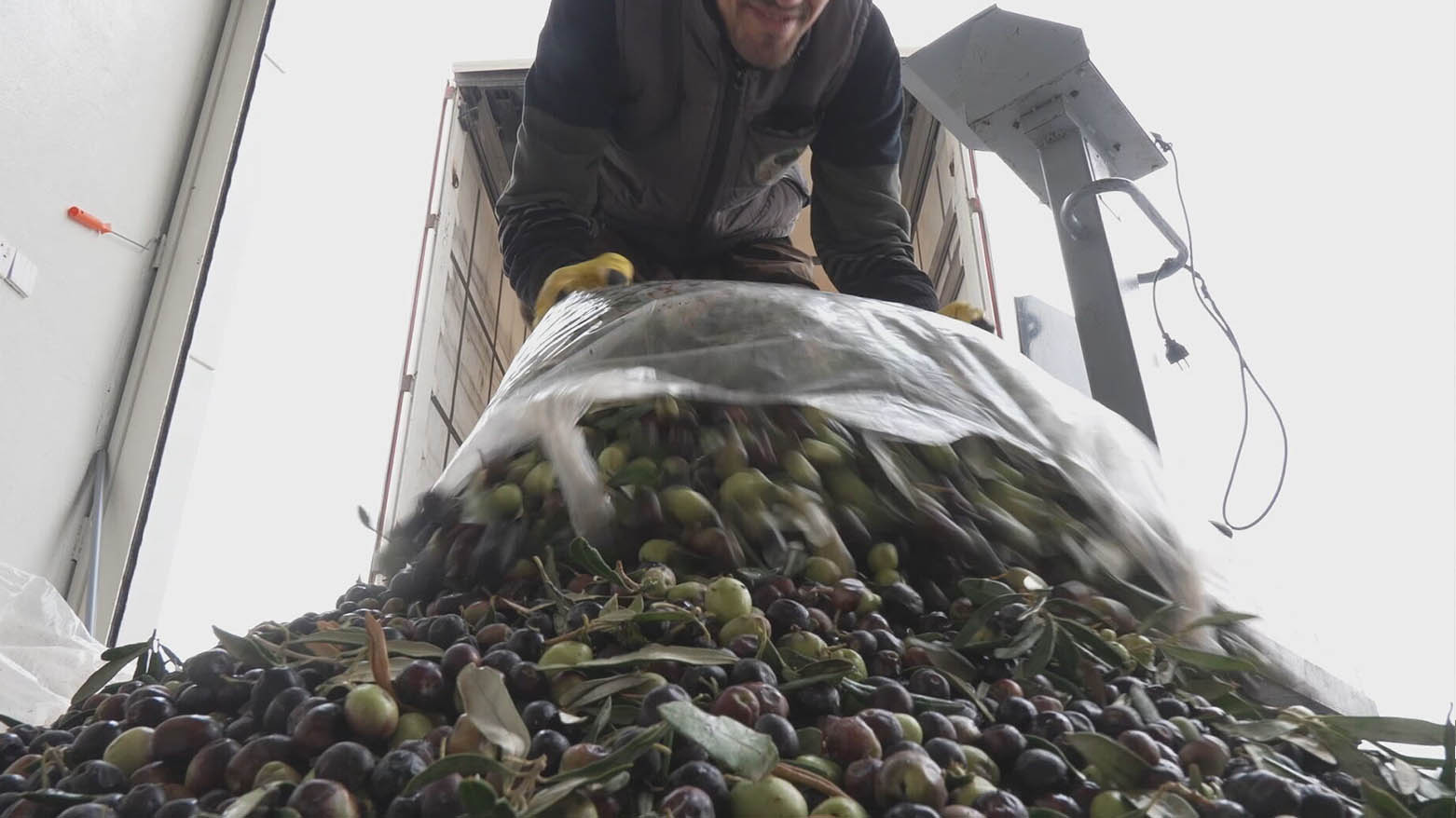
ERBIL (Kurdistan24) – The Kurdistan Region’s seven olive oil factories have begun purchasing freshly harvested olives from local farmers, marking the start of the annual olive oil production season. However, this year’s output has been significantly affected by adverse weather conditions across the region.
Farmers say the impact has been severe. “There was an olive grove that produced seven tons last year, but this year it yielded less than 400 kilograms,” one factory owner told Kurdistan24. Similar challenges are being reported across the region, including in neighboring countries.
Olive trees—often called "green gold”—have been cultivated in Kurdistan for thousands of years. But despite the long history and the presence of seven active olive oil factories, production has sharply declined this season.
Sabir Haji Zahir, an olive grove owner, said this year’s harvest is the lowest he has ever seen. “This year's production is very low. What used to be 10 tons a year may not even reach 500 kilograms this year,” he said.
Local factories remain vital to the agricultural sector and the environment, encouraging many residents to plant olive trees. One factory, operating under an official license from the Raparin Independent Administration for several years, produces high-quality olive oil free of chemical additives. The oil is processed through multiple stages before being distributed across markets in the Kurdistan Region.
The factory’s supervisor, originally from Afrin—an area internationally known for its olives-attributed his good health to his daily consumption of fresh olive oil. “I am 60 years old and in good health because I use olive oil,” said Rafat Kamal. “I encourage the people of Kurdistan to use olive oil, as it is beneficial for health. Afrin produces exceptional olive oil.”
According to the Kurdistan Regional Government’s Ministry of Agriculture and Water Resources, there are 1,500 officially registered olive groves in the region, with more than 1.5 million olive trees planted.
Despite this year’s challenges, farmers and factory owners remain committed to preserving Kurdistan’s ancient olive-growing tradition and supporting the local market with quality oil.