Halabja Silo Nears Completion, Set to Boost Wheat Storage and Support Local Farmers
Nawzad Sheikh Kamil, Director General of Trade at the Ministry of Trade and Industry, told Kurdistan24 that work is progressing steadily and that the longstanding issue of wheat storage shortages in Halabja will soon be resolved.
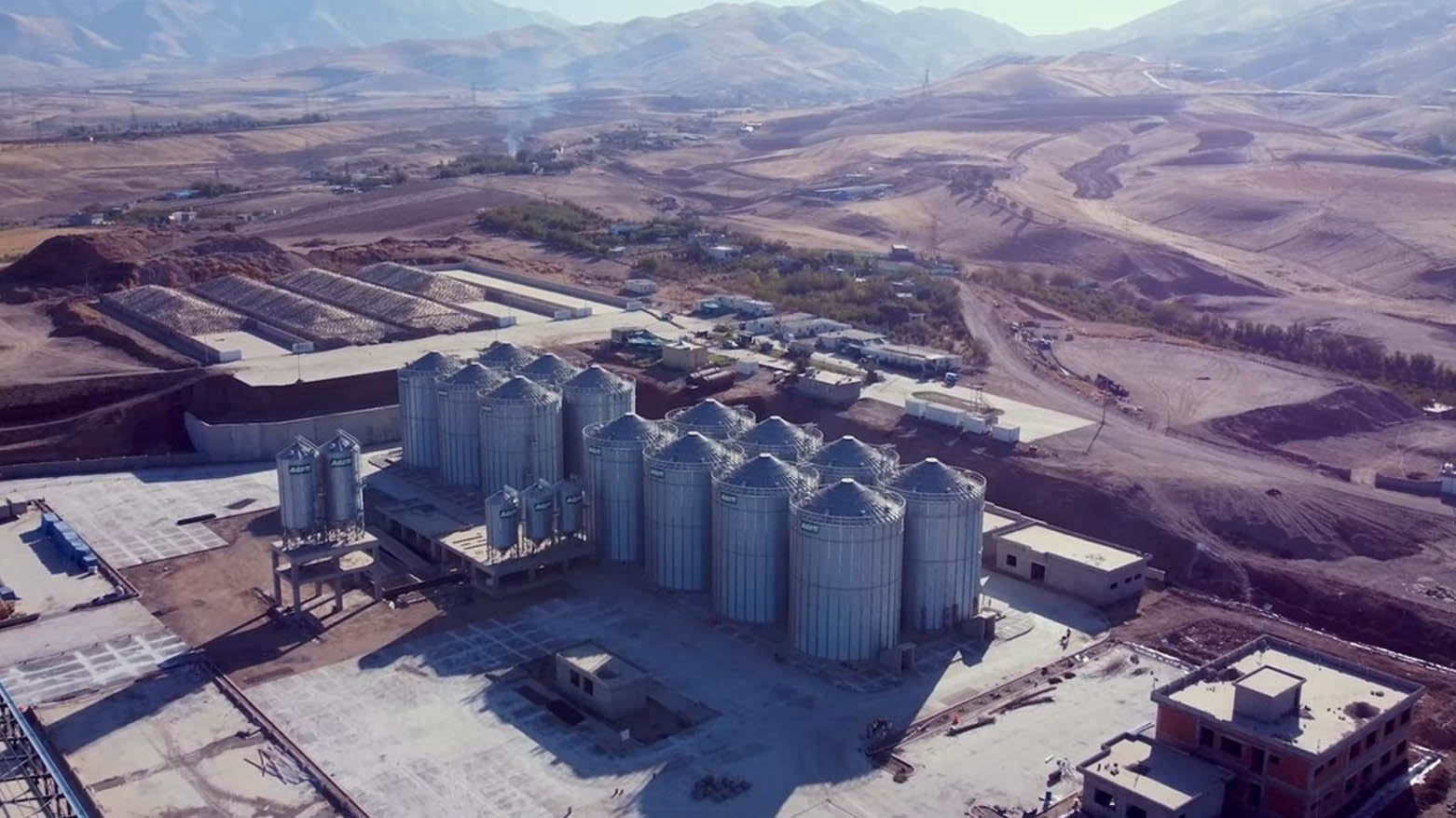
ERBIL (Kurdistan24) — Construction of the strategic wheat silo in Halabja has reached 80% completion, paving the way for a major improvement in grain storage capacity and agricultural support in the region, officials announced on Tuesday.
Nawzad Sheikh Kamil, Director General of Trade at the Kurdistan Regional Government (KRG) Ministry of Trade and Industry, told Kurdistan24 that work is progressing steadily and that the longstanding issue of wheat storage shortages in Halabja will soon be resolved. He added that efforts are underway to transfer wheat to other silos as construction enters its final phase.
The new facility will have a storage capacity of 55,000 tons of wheat—enough to meet the needs of Halabja and the Shahrizor plain in Sulaimani province. Sheikh Kamil stressed that the silo will play a vital role in motivating local farmers to expand wheat cultivation by providing secure and adequate storage.
Star Mahmood, Director General of Agriculture in Halabja, said the region’s fertile lands produce around 40,000 tons of wheat annually, emphasizing Halabja’s strong agricultural potential. He noted that the new silo would further strengthen the sector by reducing losses and ensuring better management of the harvest.
The Halabja silo is considered one of the key strategic projects of the KRG's ninth cabinet. Funded through the Ministry of Trade and Industry’s 2023 budget, the project carries a total cost of 27.203 billion Iraqi dinars.
The government has allocated 53 acres of land for the project, with the silo itself occupying 23 acres. Once completed, the facility is expected to significantly enhance food security, support farmers, and contribute to the continued development of Halabja’s agricultural economy.