KRG Moves to Align Institutions with Global Standards in High-Level EU Talks
KRG Coordinator Dr. Dindar Zebari heads to Brussels to discuss a 62% implementation of the Region’s human rights plan with EU officials.
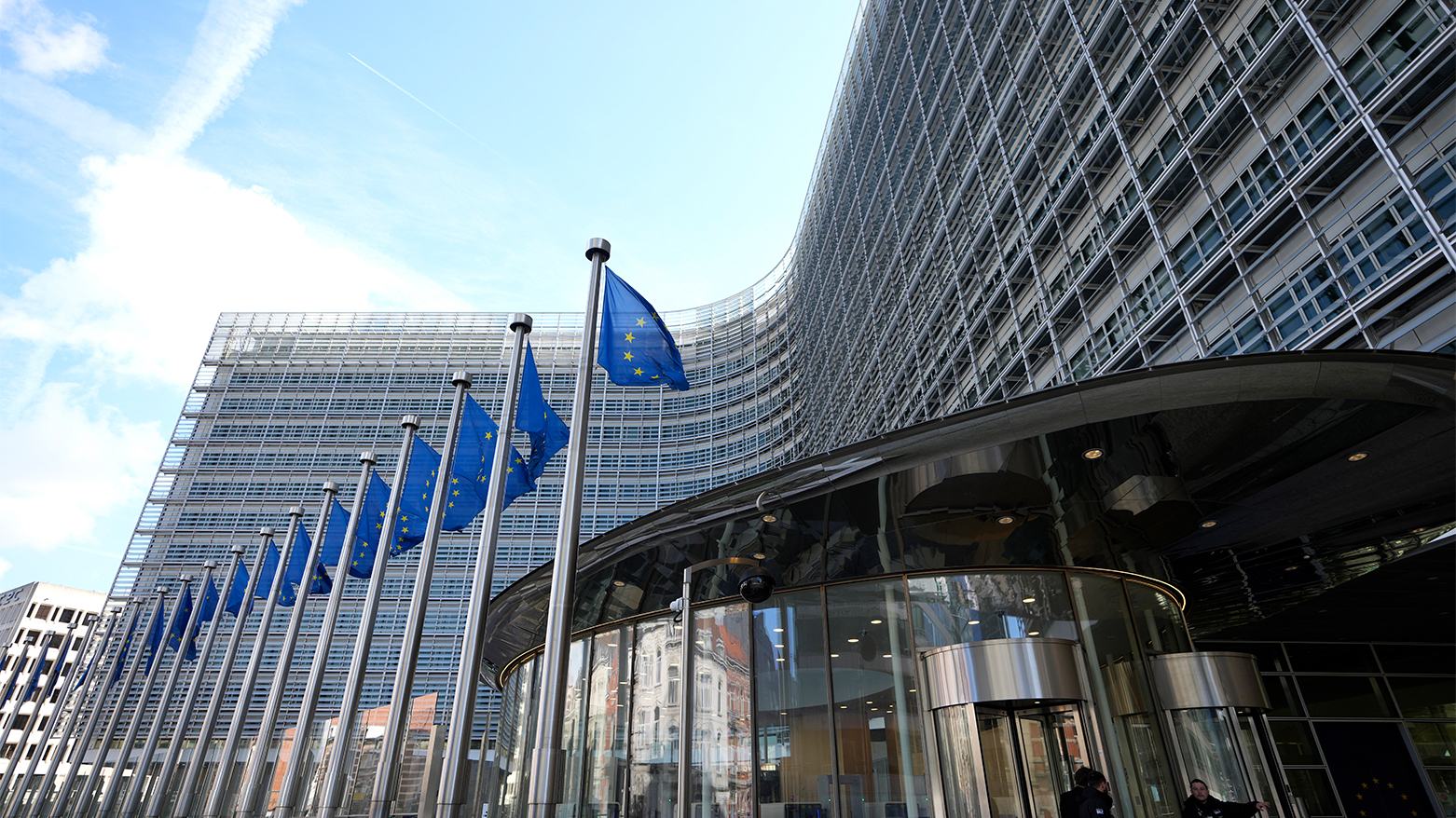
ERBIL (Kurdistan24) – In a significant diplomatic initiative aimed at solidifying the Kurdistan Region’s adherence to global governance norms, a high-level delegation led by the Kurdistan Regional Government’s (KRG) Coordinator for International Advocacy is set to descend upon Brussels for a week of critical engagements.
The mission, scheduled to commence early next week, seeks to bridge the administrative and regulatory gap between Erbil and European institutions by subjecting the Region’s human rights record and institutional frameworks to direct, high-level scrutiny and dialogue with European Union officials.
From December 8 through December 11, 2025, the Belgian capital will serve as the backdrop for a series of intensive meetings involving the KRG delegation, high-ranking officials of the European Union, and members of the European Parliament.
The primary objective of this diplomatic offensive, as outlined by officials, is to conduct frank and direct discussions regarding the state of civil liberties, the protection of freedoms, and the rigorous implementation of international standards within the Kurdistan Region’s governing bodies.
This engagement underscores Erbil’s intent to not only maintain but deepen its institutional ties with the West through a transparent appraisal of its domestic progress.
Dr. Dindar Zebari, serving as the KRG’s Coordinator for International Advocacy, has positioned this visit as a pivotal opportunity to present a comprehensive progress report on the KRG’s domestic reforms.
Central to his dossier is the status of the Kurdistan Regional Government's Human Rights Plan, a strategic four-year roadmap spanning from 2021 to 2025. In a statement detailing the agenda of the upcoming visit, Dr. Zebari revealed that the administration has achieved a tangible implementation rate of 62 percent regarding the international recommendations enshrined within that plan.
This statistical milestone is expected to form the bedrock of the conversations in Brussels, serving as quantitative evidence of the Region’s commitment to reform. However, the discussions are slated to move beyond mere percentages.
Dr. Zebari emphasized that a major topic of the dialogue will involve the presentation of specific details regarding the progress achieved in the field of human rights.
The agenda prioritizes the improvement of institutional frameworks and the refinement of mechanisms related to international recommendations, ensuring that the Region’s internal governance structures are capable of digesting and enacting global best practices effectively.
The logistical and diplomatic architecture of this visit underscores the depth of the relationship between Erbil and the European Union.
The Coordinator for International Advocacy noted that the meetings have been organized through a meticulously coordinated effort involving the European Union Mission in the Kurdistan Region and the KRG’s own representation in Europe.
Crucially, Dr. Zebari will be accompanied throughout the visit by Delavar Ajgeiy, the KRG Representative to the European Union, ensuring a unified diplomatic front that bridges the gap between domestic policy implementation and foreign relations.
The broader strategic intent of these engagements extends to securing international backing for the KRG’s governance initiatives. According to the Coordinator, these meetings provide a vital platform to strengthen continuous coordination with the European Union and other international partners.
The ultimate goal, as articulated by Dr. Zebari, is to obtain greater support for issues of good governance. By creating opportunities to share experiences, the KRG aims to leverage European expertise to face the complex administrative and social challenges confronting the region.
The emphasis on the "implementation of international standards" suggests a forward-looking approach by the KRG, acknowledging that the modernization of its institutions is inextricably linked to its standing on the global stage.
By engaging directly with the legislative and executive arms of the European Union, the KRG is signaling a willingness to open its institutions to assessment and collaboration. The focus on the protection of freedoms indicates a recognition of the EU’s priorities and a desire to harmonize the Region’s legal and social landscape with the values espoused by its European partners.
As the 2021-2025 timeline of the Human Rights Plan draws to a close, this visit represents a critical juncture for the Kurdistan Regional Government. It offers a moment to demonstrate the strides taken—evidenced by the 62 percent completion rate—while simultaneously soliciting the technical and political support necessary to address the remaining benchmarks.
The upcoming dialogues in Brussels are poised to be more than a formal exchange of pleasantries; they are framed as a substantive working session intended to weave the Kurdistan Region more tightly into the fabric of international law and accepted norms of governance.
Through this initiative, Erbil is projecting a narrative of a government that is not static, but one that is actively evolving its institutional capacity to meet the demands of a modern, rights-based society.