OPEC Output Slips as Technical Outages in Iraq and Nigeria Undercut Planned Production Hikes
OPEC oil output fell by 30,000 bpd in November due to outages in Iraq and Nigeria, defying a planned hike and keeping supply below group targets.
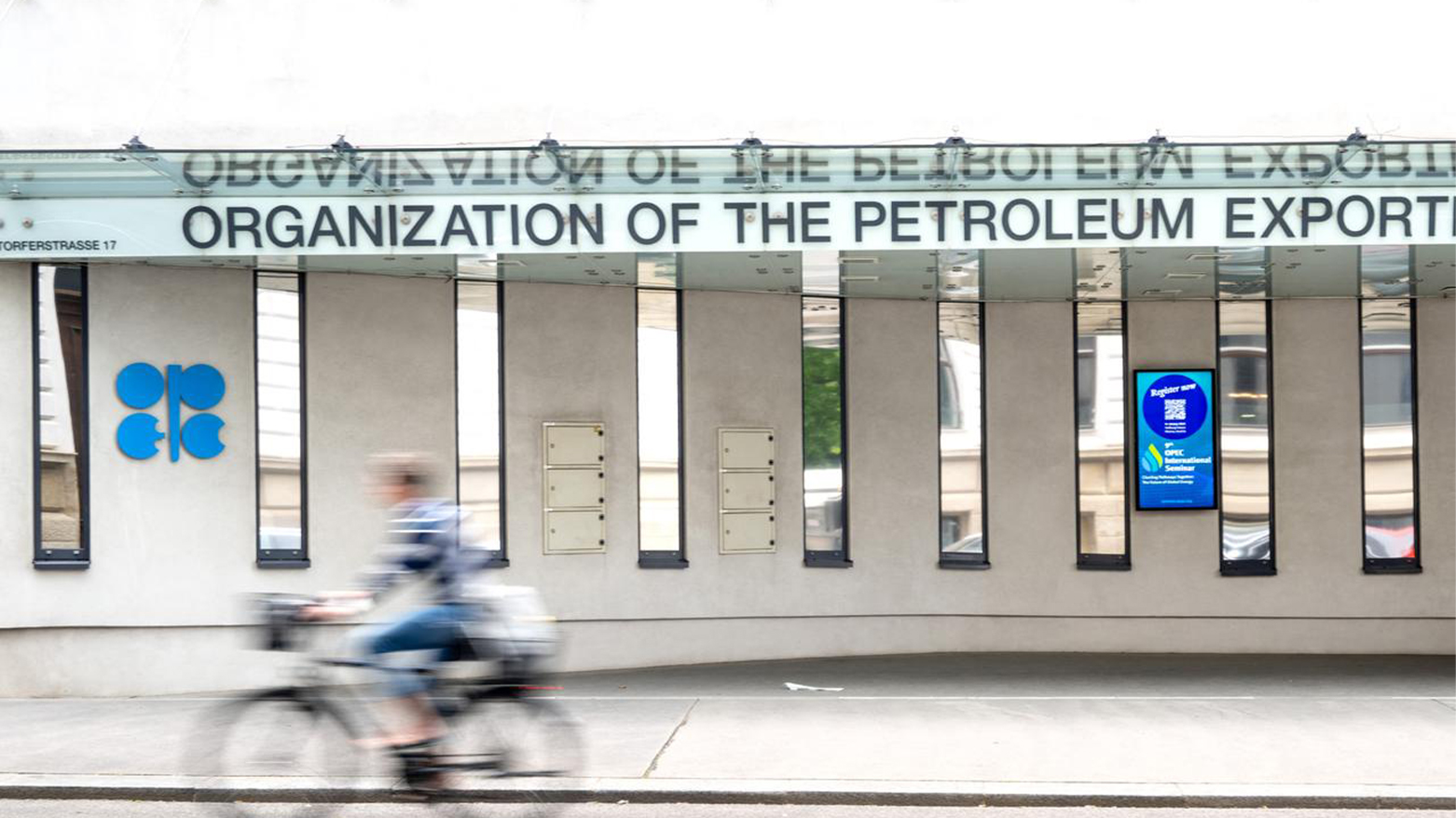
ERBIL (Kurdistan24) – Despite a coordinated agreement among major producers to boost global oil supplies, the Organization of the Petroleum Exporting Countries saw its collective output edge lower in November, a contraction driven by significant technical disruptions in Iraq and Nigeria that have pushed the group’s supply levels further below its stated targets.
According to a comprehensive survey released on Thursday by Reuters, the 12-member bloc pumped an average of 28.40 million barrels per day last month, a decline of 30,000 barrels per day from October’s totals, highlighting the persistent operational challenges facing some of the cartel's key members even as they attempt to navigate a complex market fearing a supply glut.
The unexpected dip in production comes at a delicate moment for the wider OPEC+ alliance, which includes Russia and other non-member partners. The coalition has been carefully calibrating its market interventions, recently slowing the pace of its monthly output increases to prevent overwhelming global inventories.
While the broader strategy involves gradually restoring supply to the market, many member states are currently operating near their maximum capacity limits.
Furthermore, specific nations have been tasked with implementing additional compensatory cuts to offset previous overproduction, a disciplinary measure that naturally limits the net impact of any authorized increases across the group.
Under the specific terms of the agreement covering November output, eight members of the OPEC+ alliance were scheduled to adjust their production.
Within this subgroup, the five core OPEC members—Algeria, Iraq, Kuwait, Saudi Arabia, and the United Arab Emirates—were collectively slated to raise output by 85,000 barrels per day.
However, this planned increase was complicated by the requirement for Iraq and the UAE to make compensation cuts totaling 140,000 barrels per day.
The Reuters survey reveals a discrepancy between policy and reality, indicating that the actual net increase achieved by these five nations was only 40,000 barrels per day, falling short of the aggregate potential.
Iraq, OPEC’s second-largest producer, recorded one of the most significant declines in the group, a development attributed to logistical constraints rather than strategic intent. Data and sources cited in the survey point to pipeline maintenance as the primary cause for lower exports from the country.
This reduction in Iraqi flow is particularly notable given the ongoing scrutiny regarding Baghdad’s adherence to production quotas. Estimates of output from both Iraq and the UAE continue to vary widely within the industry.
While the Reuters survey and data provided by OPEC’s secondary sources suggest these nations are pumping close to their assigned quotas, other authoritative bodies, such as the International Energy Agency, maintain estimates that show significantly higher volumes, suggesting a persistent opacity in production reporting.
Simultaneously, Nigeria faced its own infrastructure challenges that contributed to the group’s overall decline.
A fire on the Yoho production platform forced a shutdown of the facility, directly impacting the nation's ability to maintain shipment levels. This incident underscores the fragility of energy infrastructure in key producing regions, where technical failures can swiftly negate policy decisions made in Vienna.
The combination of planned maintenance in the Middle East and unplanned emergencies in West Africa effectively neutralized the group’s intention to marginally increase supply.
The methodology behind the Reuters survey, which aims to track actual supply reaching the market, relies on a synthesis of shipping data and diverse intelligence sources.
The assessment incorporates flow data from the financial group LSEG, information from specialized tracking firms such as Kpler, and insights provided by sources at oil companies, OPEC itself, and industry consultants.
This data-driven approach paints a picture of a cartel that, despite its market-moving power, remains subject to the physical realities of extraction and transport.
As OPEC+ continues to manage the delicate balance between supply and demand, the November figures serve as a reminder that operational stability is just as critical as diplomatic consensus in determining the actual flow of oil to the global economy.