Türkiye’s opposition party: Stability for Syrian Kurds Is a Guarantee of Peace for Türkiye
CHP leader Özgür Özel stated stability and democratic rights for Syrian Kurds are a “guarantee of peace” for Türkiye, urging the government to prioritize dialogue over military spending and implement European Court rulings.
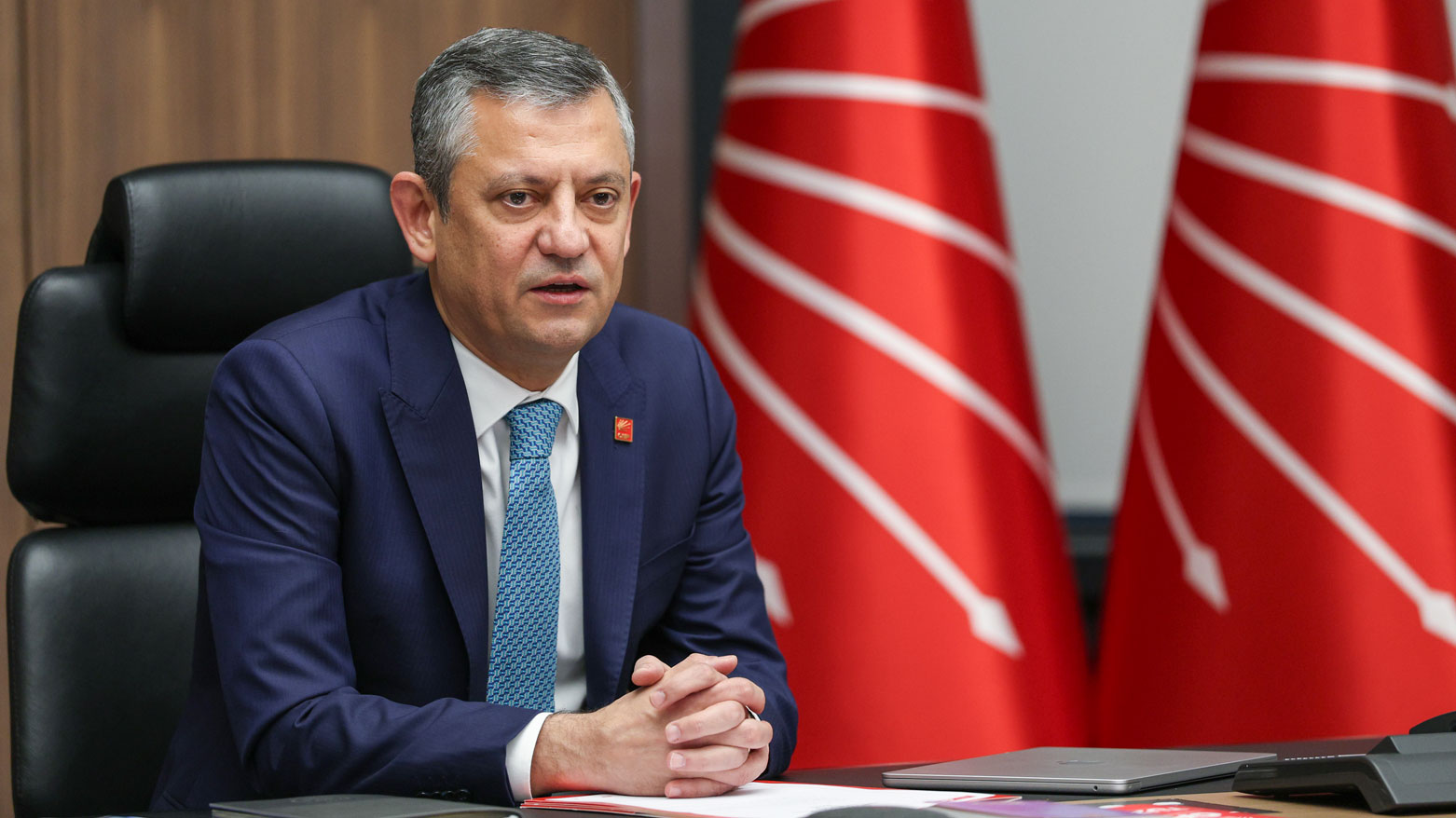
ERBIL (Kurdistan24) - Republican People’s Party (CHP) leader Özgür Özel reaffirmed his party’s commitment to advancing peace and resolving the Kurdish question in Türkiye and Syria, declaring that stability and democratic rights for Syrian Kurds serve as a “guarantee of peace” for Türkiye. His remarks come at a time when political parties and Kurdish representatives debate the stalled process, amid growing criticism that the government has failed to take concrete steps toward a new framework for peace.
Speaking on the ongoing political developments, Özel said his party will continue supporting every initiative aimed at dialogue and a peaceful solution, stressing that the Kurdish issue will remain unresolved “until Kurds recognize themselves through its resolution.” He criticized the Turkish government’s budget priorities, arguing that state resources should be directed not toward purchasing weapons and building prisons but toward peace, democratic reform, and public welfare.
Özel also renewed his call for Ankara to implement the binding judgments of the European Court of Human Rights regarding Selahattin Demirtaş and other political detainees. He noted that the protection of rights for Kurds, Druze, and all Syrian communities within the constitutional framework of Syria is essential for long-term stability. For Türkiye, he said, the peaceful and democratic environment of Syrian Kurds represents a strategic guarantee for achieving internal calm.
His latest statements come at a moment when political momentum around the Kurdish question has reemerged in Türkiye. Over the past year, Özel has repeatedly stressed that a solution must be pursued transparently and discussed openly in the Turkish Parliament. He identified four principles necessary for any credible process: parliamentary centrality, transparency, sincerity, and a national consensus.
These comments also follow a climate of shifting positions among Türkiye’s political actors. Leaders from other parties—including MHP chair Devlet Bahçeli—have recently spoken about political openings and the possibility of reviving negotiations, sparking broader debate within Ankara’s political landscape.
While Özel highlights the need for constitutional fairness and democratic guarantees, figures from the DEM Party warn that Türkiye’s latest initiative has stalled. DEM Party spokesperson Aysegul Dogan recently argued that despite a year having passed since the current phase began, no tangible legal steps have been taken by the government to address the Kurdish issue. Dogan told Kurdistan24 that the absence of institutional reforms has deepened public uncertainty, stressing that genuine progress requires legal recognition of the identities, languages, and beliefs of Türkiye’s diverse communities.
Former AK Party MP Ahmet Faruk Unsal also noted that the ongoing process is fundamentally state-driven, with the Nationalist Movement Party (MHP) functioning as a central pillar. He said the AK Party and MHP have adopted complementary roles, with the latter tasked with managing nationalist backlash.
Observers in North Kurdistan point out that, despite PKK leader Abdullah Ocalan’s February 27 call for the movement to transition from armed struggle to political engagement, Ankara has taken no structural steps—such as establishing commissions or oversight bodies—to institutionalize a viable roadmap. The new phase, which began in October 2024 when Bahçeli publicly called for Ocalan to appear in parliament, briefly fueled optimism after Omer Ocalan’s long-delayed visit to Imralı Island. However, the lack of follow-up measures—such as releasing detainees or launching constitutional reforms—has steadily eroded trust in the process.
As competing statements from political leaders and Kurdish representatives shape the national conversation, Özgür Özel’s remarks underscore a growing expectation for Ankara to choose democratic reforms over securitized approaches. With European court rulings unimplemented and institutional progress absent, the path to resolving the Kurdish question remains uncertain—yet the call for transparency, constitutional rights, and peaceful political engagement continues to gather force across Türkiye’s political spectrum.